Defense Minister Israel Katz said about 2,000 residents have been evacuated from the Hebron neighborhood where the two terrorists behind Friday’s deadly attack lived. The attack killed Staff Sgt. Ron Yonatan Roytman and Sgt. Yuval Shai Svilem. “They will not be allowed to return to their neighborhood until we’ve finished dealing with all the Hamas issues in Hebron,” Katz told Kan. According to IDF assessments, the area’s roughly 2,000 residents are members of the Jaaba clan, which the military says is affiliated with Hamas.
Palestinian officials gave their own figures. Hebron Governor Khaled Dudin told the official Palestinian news agency WAFA that more than 200 families had been displaced. Hebron Mayor Youssef al-Jaabari put the number at 2,200 people. Al-Jaabari said the operation was concentrated in the Ein Deir Baha and Farsh al-Hawa neighborhoods and had hit homes, businesses, industrial sites and infrastructure. The IDF has also imposed a cordon on Hebron and nearby Halhul, and the city’s more than 200,000 residents now face heavy restrictions on movement.
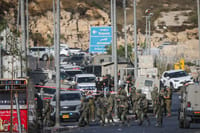
The IDF, the Shin Bet (Israel Security Agency), Border Police and the Judea Regional Brigade are running the operation together. Troops have searched 200 locations and arrested 10 suspects. Residents can leave the operational zone only through three designated exit points, and only after questioning and security checks. Anyone who raises suspicion during screening is taken for further interrogation. The military expects the operation to last several days. Forces are also tearing down illegally built structures that the military said could hamper security operations.
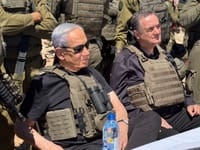
Prime Minister Benjamin Netanyahu announced the crackdown on Friday. He said the IDF would apply in Hebron the model it had used in the refugee camps of Judea and Samaria. “We will evacuate the residents, go from house to house, remove the weapons there, and address and demolish all terrorist infrastructure,” he said, referring to the neighborhood the attackers came from.
Netanyahu also pledged to speed up the removal of illegal structures along roads, saying they endanger Israeli forces. He said the IDF had drawn up plans for “a very broad IDF operation in Judea and Samaria, the likes of which have not been done since the Six-Day War,” though he set no date. In an interview with i24, he threatened “a very big surprise” for the Palestinian Authority.
Katz warned that “the terrorists, their handlers, and those who provide them with protection and assistance will pay a very heavy price.” He also said that Iran’s Shiite axis and its proxies, along with the Muslim Brotherhood axis, were planning terror attacks against IDF soldiers and Israeli civilians in order to influence Israel’s upcoming election.
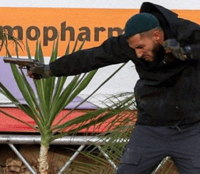
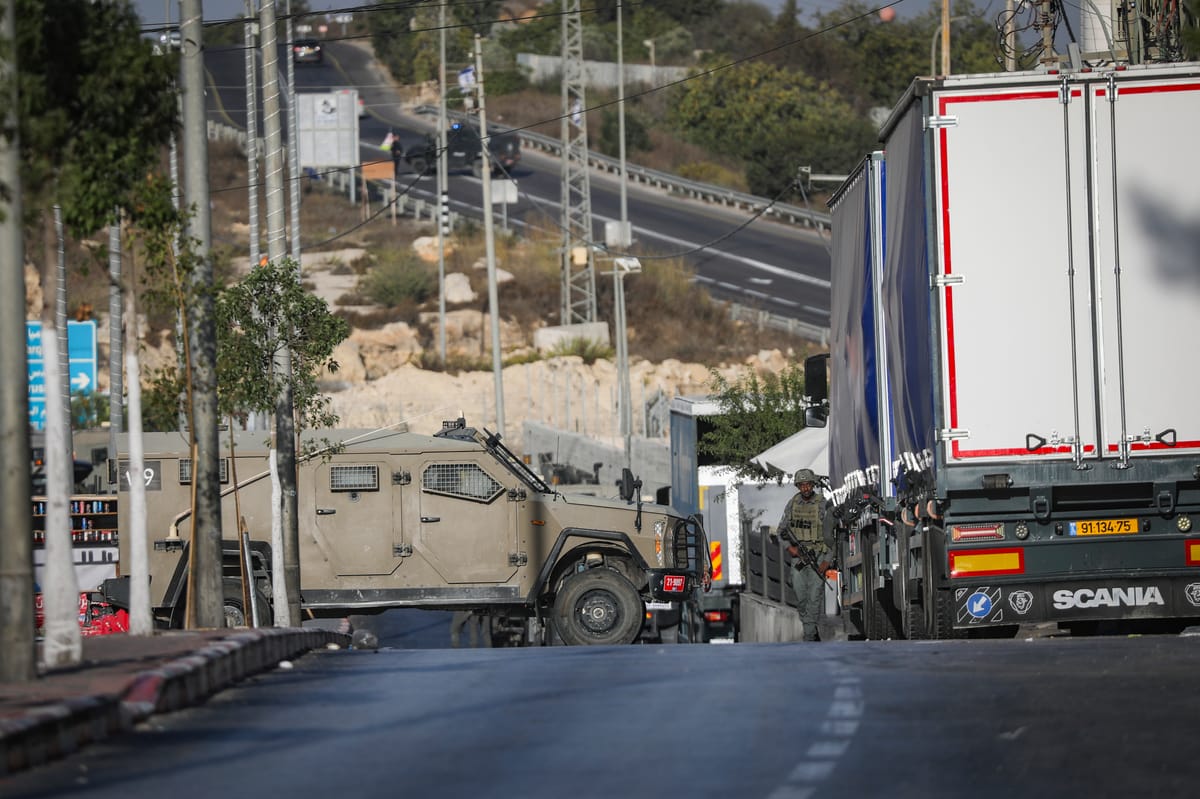
The attack took place at Yehuda Junction on Route 35, near Hebron, when two terrorists opened fire on troops at a checkpoint. The exchange of fire lasted more than 20 minutes. It ended when the Ari Battalion’s deputy commander and a company commander rushed to the scene and killed both attackers. IDF Chief of Staff Lt. Gen. Eyal Zamir said a large quantity of ammunition was found in the terrorists’ vehicle. The IDF assessed that the terrorists had intended to get past the checkpoint and carry out a larger attack on Israeli civilians. Three other soldiers were lightly wounded. Hamas claimed responsibility for the attack.