The United States and Iran have reportedly reached a tentative memorandum of understanding that would extend the current ceasefire for 60 days and open a new round of negotiations over Tehran’s nuclear program, according to reports citing American officials and regional sources.
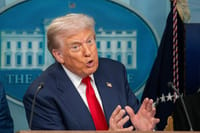
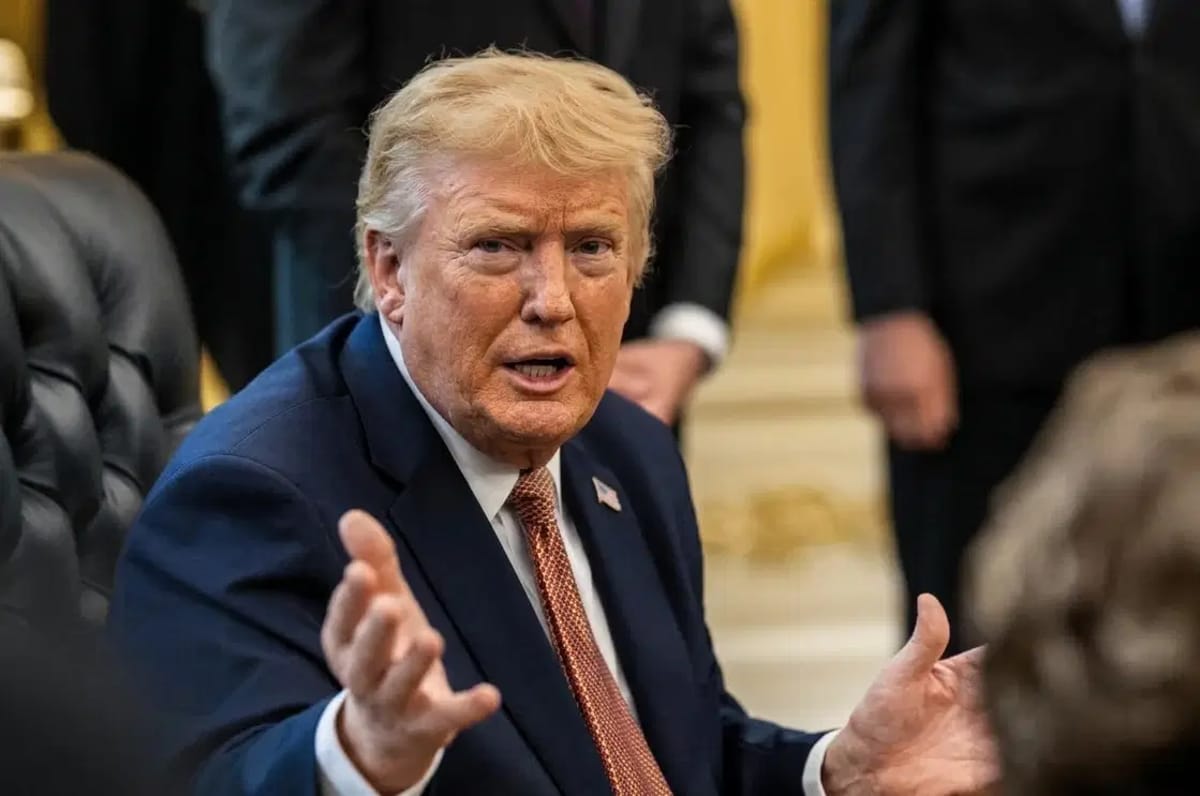
The agreement has not yet been formally signed and still requires final approval from President Donald Trump and Iran’s leadership. Axios reported that U.S. and Iranian negotiators have agreed on the framework of the memorandum, but that Trump’s final sign-off remains pending.
The proposed deal would mark the most significant diplomatic breakthrough since the outbreak of the current U.S.-Iran confrontation. But it would not itself resolve the nuclear dispute. Instead, it would create a two-month window for negotiations over the most sensitive issues, including Iran’s stockpile of highly enriched uranium.
According to the reports, the central unresolved issue is the future of roughly 400 kilograms of highly enriched uranium held by Iran. Washington is seeking either the removal of that material from Iranian territory or its dilution under an international monitoring mechanism. The Associated Press also reported that the uranium stockpile remains one of the key unresolved points in the negotiations.
Another major component of the proposed memorandum concerns the Strait of Hormuz. The draft agreement reportedly requires Iran to reopen the strait to free commercial shipping and remove mines placed in the area. In exchange, the United States would discuss limited sanctions relief and the release of some frozen Iranian assets. Reuters reported that the MOU would extend the ceasefire, address shipping restrictions, and begin a process tied to sanctions and Iran’s oil exports.
Vice President JD Vance said the United States is “very close” to an agreement with Iran, though not yet across the finish line. The administration’s public posture remains cautious: there is a framework, but not yet a final deal.
At the same time, U.S. Treasury Secretary Scott Bessent issued a sharp warning against any effort to impose tolls or fees on ships passing through the Strait of Hormuz. Bessent said Washington would not tolerate any attempt to create a tolling system in the vital maritime passage and warned that any party assisting such a move could face aggressive Treasury action.
Iranian sources have pushed back against reports that a final text has already been completed. According to the Hebrew-language report provided, a source close to the Iranian negotiating team told Tasnim that the draft memorandum has not been finalized and that any agreement would be announced only through official channels.
Iranian officials have also continued to insist on their red lines. Ebrahim Azizi, chairman of the Iranian parliament’s National Security Committee, said Tehran would not retreat from its core demands, including the right to enrich uranium, retain enriched uranium, control the Strait of Hormuz, and secure sanctions relief.
For Trump, the reported deal presents both an opportunity and a political risk. A 60-day framework could stabilize the region, ease pressure on global energy markets, and open the door to a broader nuclear settlement. But critics will likely ask whether Iran is receiving sanctions relief and maritime concessions without first surrendering the core of its nuclear leverage.
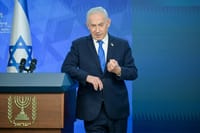
For Israel, the question is even sharper. If the agreement freezes the conflict without dismantling Iran’s nuclear infrastructure or removing its enriched uranium stockpile, Jerusalem may see the deal as a pause rather than a victory.
The emerging diplomatic framework therefore does not end the Iran crisis. It postpones the decisive confrontation and turns it into a negotiation over time, uranium, sanctions, and regional power.
For now, the story is not that America and Iran have reached a final peace deal. The story is that both sides may have found a temporary off-ramp, and that Trump must now decide whether to take it.