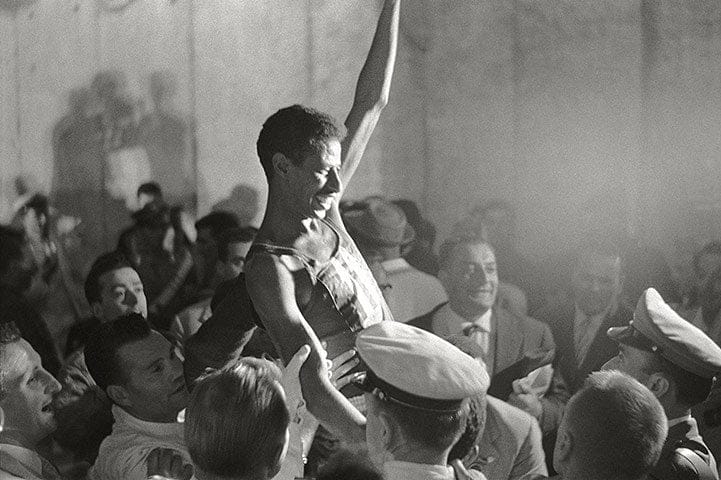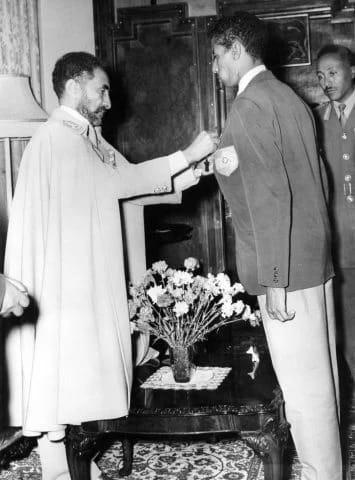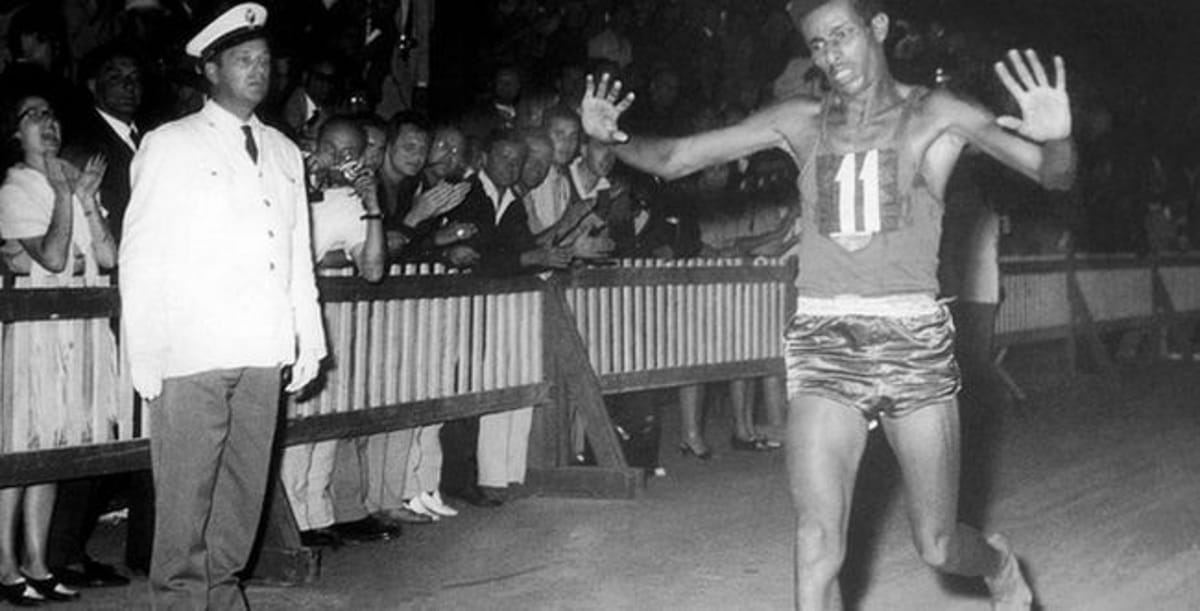
We are accustomed to hearing about athletes who worked hard to achieve success, but the story of Abebe Bikila is not an everyday story. Bikila was born on August 7, 1932, in the village of Jato, near the city of Mendida in Ethiopia. In his childhood, he was a shepherd, but like the admiral, his life's path was altered by his enlistment in the army.
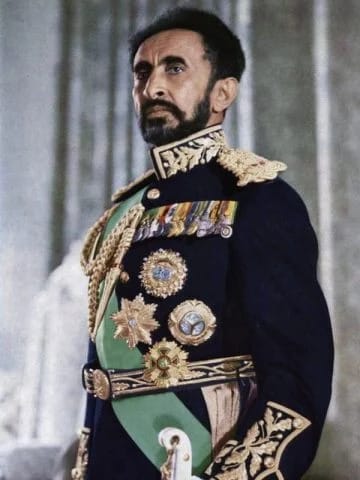
In 1916, a revolution took place in Ethiopia when Emperor Lij Iyasu, who was the grandson of Menelek - the previous emperor - was deposed, and Menelik's daughter Zewditu was appointed under him. The one appointed regent and heir to the throne is Haile Selassie, who was Menelik's companion. Selassie is the de facto king, and has made many efforts to make Ethiopia more modern, when, among other things, he joined the country to the League of Nations, the former incarnation of the United Nations.
He continued Ethiopia's momentum when he initiated a constitution for Ethiopia, started working on establishing a modern army and developed the economy and education. Despite much opposition at home for appointing himself to the position and insulting the empress, Selassie ruled the country until 1936 when Mussolini's Italy invaded Ethiopia and occupied the country.
"Emperor of Jerusalem" Rents an Apartment in Rehavia
Haile Selassie fled to Israel, initially staying at the King David Hotel in Jerusalem before renting an apartment in Rehavia. He was registered as a resident of Rehavia, with his profession listed as "king." After three months in Jerusalem, he moved to England, where he stayed until returning to Ethiopia in 1941 with the assistance of the British, who recognized him as the Emperor of Ethiopia. Among other titles, he referred to himself as the "Emperor of Jerusalem."
11 years later, in 1952, Bikila decided to join the army of Selassie. As a result, the shepherd, now 20 years old, walked more than 130 kilometers to the capital city, Addis Ababa. During his military service, Bikila competed in jena (a sport similar to hockey) and athletics.