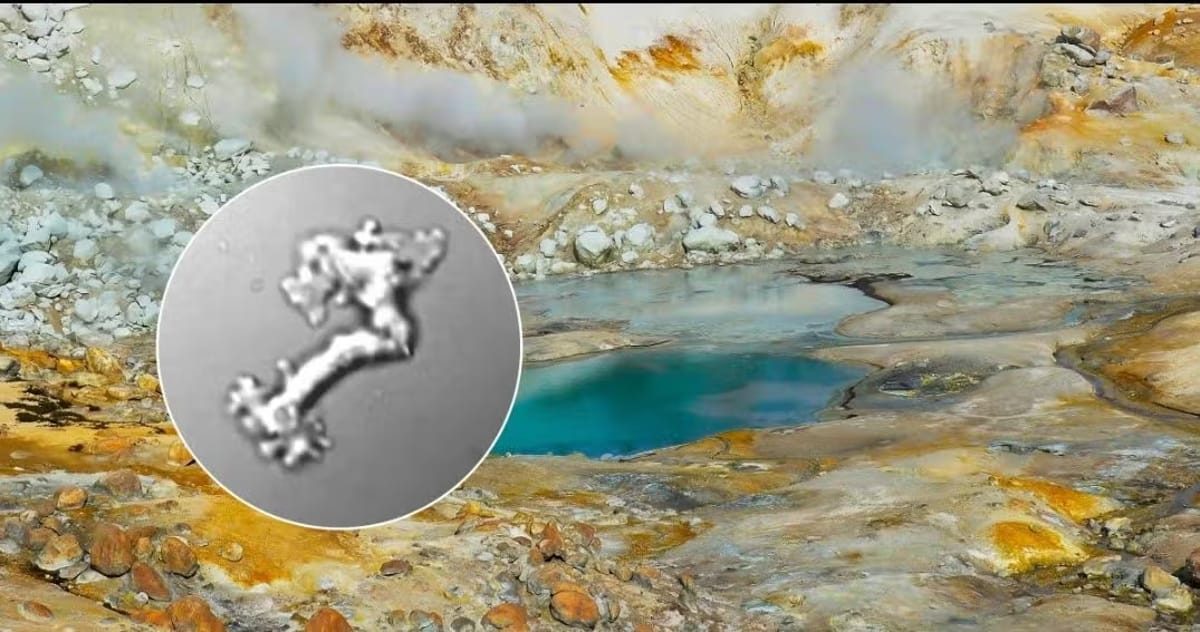
Scientists have identified a new species of amoeba in the hot springs of Lassen Volcanic National Park in California that can withstand temperatures previously thought lethal to all known eukaryotic life forms. The newly named species, Incendiamoeba cascadensis, successfully performed mitosis, cell division, at temperatures reaching 63 degrees Celsius, and remained active at approximately 64 degrees, according to a report by Reuters.
Researchers also exposed the amoebae to temperatures of 70 degrees Celsius. Under these conditions, they no longer reproduced normally, but after being returned to cooler environments, they managed to recover. According to NASA, brief exposure to 80 degrees proved beyond the organism's recovery capacity.
The discovery is significant because the amoeba is a eukaryote, an organism whose cells contain a nucleus and membrane-bound organelles, similar to the cells of animals, plants, and fungi. For years, a temperature of approximately 60 degrees was considered the upper limit at which complex life of this type could grow. Until now, several species of red algae and fungi held the record.
The amoeba was discovered in a thermal stream near the Drakesbad area of Lassen Park. Researchers collected samples from the region between 2023 and 2025, in locations where water temperatures reached approximately 64 degrees. In this extreme environment, the amoeba essentially functions as a microscopic predator, feeding on heat-loving bacteria. Its ability to live at such high temperatures also reduces competition for food and keeps away potential predators.
Researchers identified several mechanisms that may explain the unusual resilience. When temperatures rise, the amoeba changes its shape and creates an external protective layer. Analysis of its genome also revealed increased activity and a greater number of genes related to DNA repair and protein integrity maintenance. Its proteins were found to have characteristics that may help them remain stable and avoid breaking down under extreme heat.
The researchers gave the organism a name meaning roughly "fire amoeba of the Cascade Mountains." According to them, the discovery is not just a new biological record, but also expands understanding of where complex life can exist, and may influence future searches for life in extreme environments beyond Earth. The research was published in the scientific journal Cell.