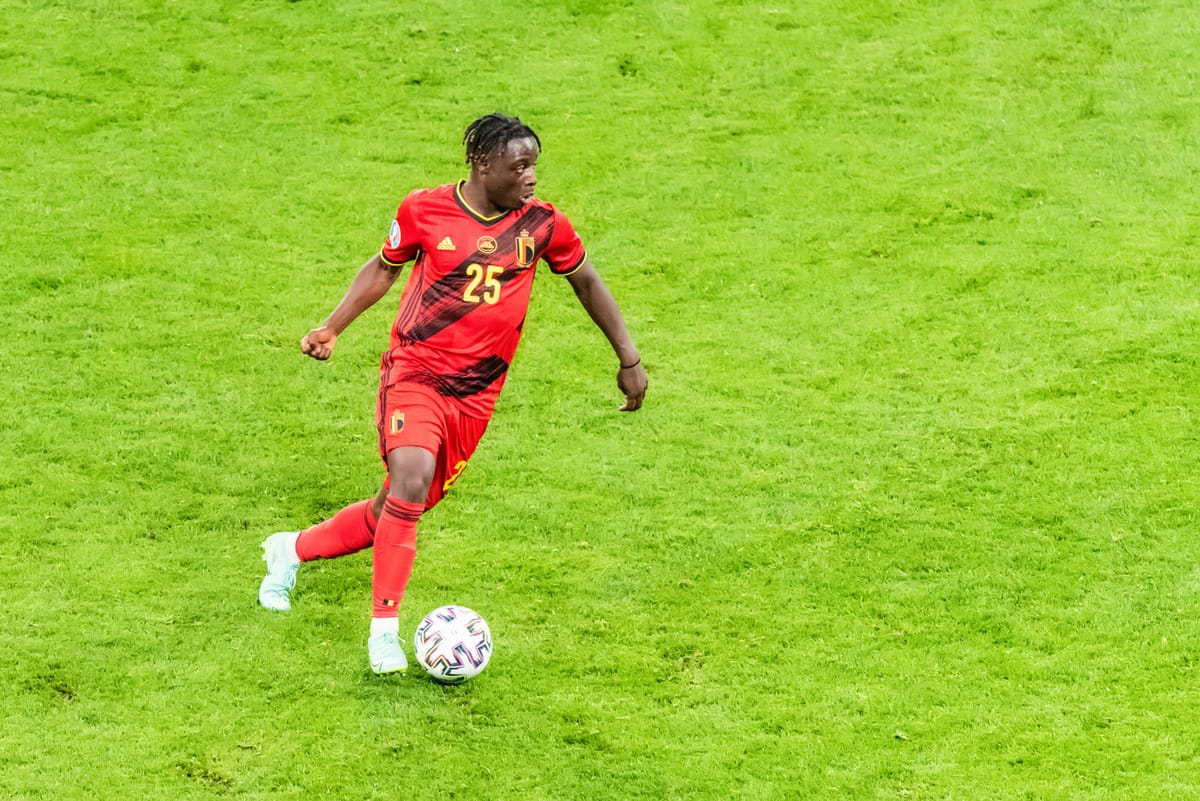
He is 24 years old, one of the most electric wingers at this World Cup, and he is carrying something onto the pitch that no manager can game-plan for: the knowledge that somewhere in England, his wife Shireen is waiting, and that the moment she goes into labor, everything else stops.
Belgium winger Jérémy Doku could miss matches later in the 2026 World Cup because of the impending birth of his first child. His wife Shireen is due in the second week of July, when the tournament has reached the quarterfinal stage, precisely the point at which, if Belgium have done what their talent demands, Doku would be needed most.
Contingency plans are being put in place to allow Doku to leave the United States and return home in time for the birth of his child if required.
He did not hide the weight of it.
"No one wants to miss a birth," Doku told reporters. "Moreover, it is my first child. But I also know that there is a lot involved in football. In any case, the FA sympathizes with the players and our situations, so we will see what we can do."
There is something quietly extraordinary about that sentence. We will see what we can do. The careful, diplomatic language of a young man trying to hold two enormous things in both hands at once, knowing he may not be able to hold them both.
The dilemma is not new to the World Cup stage. Players have faced versions of this reckoning before, the pull of the biggest tournament on earth against the pull of something bigger than football. In 2010, Wayne Rooney flew home briefly during England's campaign for the birth of his son. In 2022, several players navigated similar situations. The football world has slowly, imperfectly, begun to recognize that its stars are human beings first.
But the stakes in Doku's case are particular. The Manchester City winger is described by opponents as one of the best wingers in the world. He is not a peripheral figure Belgium can afford to lose for a quarterfinal. He is the player opponents build their defensive game plans around, the one who, in a 5-2 friendly rout of the United States in March, helped set up three goals while defenders scrambled to contain him. "Doku's Doku," one American defender said afterward, in the tone of a man who had run out of other things to say.
And yet, standing in front of reporters before his team's opening match against Egypt, none of that seemed to be what was on his mind.
"It depends on when it happens, but it's my first child, so I would definitely want to be there. If you ask me what I want, my answer is that nobody wants to miss the birth of their first child. But I also know that football involves many other considerations. I know the federation supports its players and understands their situations. We'll see what we can do," he said.
The World Cup has always been football's ultimate test of sacrifice, players leave families, miss milestones, spend weeks on the other side of the world chasing something they have spent their entire lives dreaming of. Most of the time, the world only sees the glory or the heartbreak of what happens on the pitch. Rarely does it pause to consider what is happening off it.
Jérémy Doku has paused. Publicly, honestly, without apology. And in doing so, he has reminded anyone paying attention that behind every number on a team sheet is a person whose life does not stop when the whistle blows.
His son, whenever he arrives, will one day watch the footage from this tournament. He will see his father fly across the wing, wrong-foot defenders, create chances in a stadium packed with tens of thousands of people.
And if the timing works out, he will also have been there for the moment that matters most.