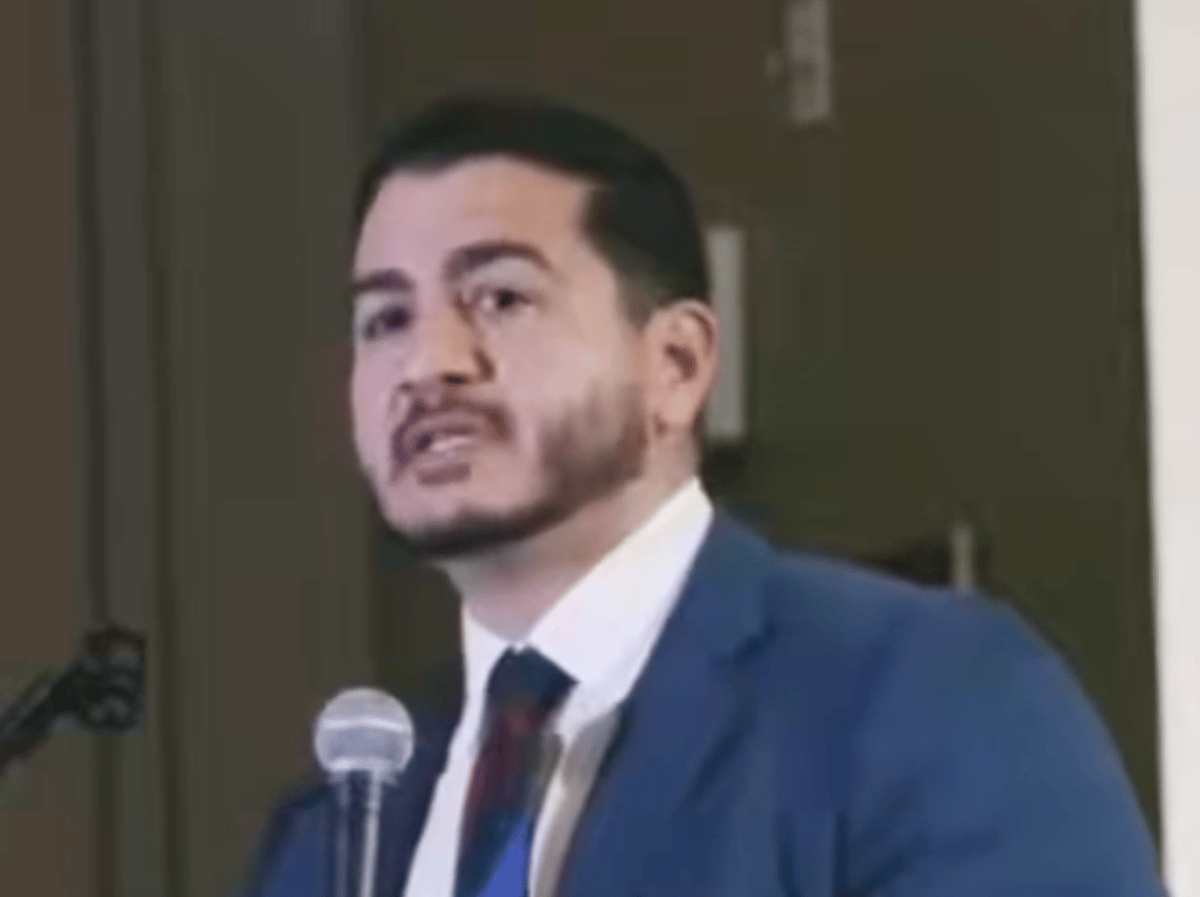
El-Sayed's invocation of the Trail of Tears is historically powerful but analytically weak. The Trail of Tears was genocide—the forced removal of Native Americans from their lands. The 2010 Oklahoma ballot measure prohibited judges from consulting Sharia law in legal proceedings. These are not equivalent acts of oppression, and equating them obscures rather than clarifies the actual debate about religious law in secular courts.
The comparison also assumes bad faith on the part of voters and lawmakers who support Sharia restrictions. El-Sayed describes opposition as "perpetrated ignorantly" and driven by "tribalistic grievance." But this forecloses the possibility that reasonable people might support constitutional restrictions on religious law without harboring animus toward Muslims. Dismissing constitutional concerns as merely disguised racism is itself a form of bad faith, one that prevents genuine debate about how multicultural democracies accommodate religious practice within legal frameworks.
There is a legitimate conversation to be had about whether Sharia law bans are necessary, whether they discriminate in application, and whether they reflect particular anxiety about Islam as opposed to other religious legal systems. Those are substantive questions. But framing all opposition as rooted in white supremacy short-circuits that conversation.
El-Sayed's remarks also raise a question about what he is actually advocating. If opposition to Sharia law bans reflects white supremacy, then what is the alternative? Is he arguing that courts should apply Sharia law in certain contexts? That Islamic law should be recognized as parallel to civil law? He denies advocating replacement of American law with Sharia, but the scope of what he does support remains unclear. Equating legal restrictions with historical atrocities without specifying what legal regime he prefers leaves the impression that the comparison serves rhetorical function rather than legal argument.
For Muslim Americans, El-Sayed's position also raises a different concern. The equation of opposition to Sharia law with racism does not help Muslims navigate genuine questions about how to practice their faith within American legal structures. Many Muslim immigrants and citizens distinguish between religious practice (prayer, dietary restrictions, family customs) and legal supremacy. They support constitutional restrictions on religious law while fully exercising religious freedom. El-Sayed's argument presents those positions as racist, which denies Muslims agency in their own relationship to both Islam and American law.
The substantive debate about religious law in secular courts deserves engagement on its merits. The question of whether American courts should apply Islamic law in any context is complex. But that debate is not advanced by treating constitutional principle as merely disguised bigotry. El-Sayed's comparison of Sharia bans to genocide represents not nuanced analysis but rhetorical escalation—treating disagreement about legal structure as equivalent to historical atrocity.
In American political discourse, this move has become common: frame policy disagreement as moral evil, invoke history's worst moments, and declare opponents beyond the pale of legitimate debate. El-Sayed's remarks follow the pattern. What is less clear is whether this rhetorical strategy actually persuades voters or simply exhausts reasonable discussion about difficult questions.