Israeli tourists were violently attacked in Montenegro for the second time in as many weeks, first in the northern town of Plav and then in the coastal resort city of Budva, in a pattern that has alarmed Israeli travelers and diplomatic officials as the summer tourist season continues.
In the earlier incident, a group of Israeli high school graduates on a post-trip tour was confronted in Plav, a mountainous town near Montenegro's borders with Albania and Kosovo, by a local man and woman who identified them as Israeli. One of the victims, Naphtali, described the encounter in an interview with Israel's N12 News. "They chased us and beat us. My friend fainted from the blows," he said.
According to the accounts, the pair shouted slurs including "baby killers" and accusations of "genocide," and told the group, "You don't need a vacation. Stay in the place you call Israel." The confrontation escalated into a physical chase and beating, and one member of the group fainted from the blows. Local police response was reportedly slow, and the attackers were said to have filmed the confrontation, with footage circulating online afterward.
The second and more severe attack took place roughly two weeks later on the night of July 11 in Budva, a major Adriatic coastal destination popular with Israeli tourists and a growing hub for Israeli real estate investment. According to an account given to KAN News, a group of Israelis, several of them from communities near the Gaza border, was sitting along the beachfront promenade when they were approached by strangers who asked where they were from. When they answered Israel, the group was confronted with shouts of "Free Palestine" before the attackers briefly left, then returned with reinforcements described in various accounts as ranging from roughly ten to as many as fifteen additional young men.
The group described being cursed at, threatened, and then physically assaulted, with attackers reportedly extinguishing a cigarette on one victim, throwing chairs, and kicking and punching members of the group as they scattered and fled. Three members of the group were separated during the chaos. One suffered a broken jaw and underwent surgery, another sustained serious head injuries, and a third lost consciousness after being beaten, according to the accounts relayed to KAN.
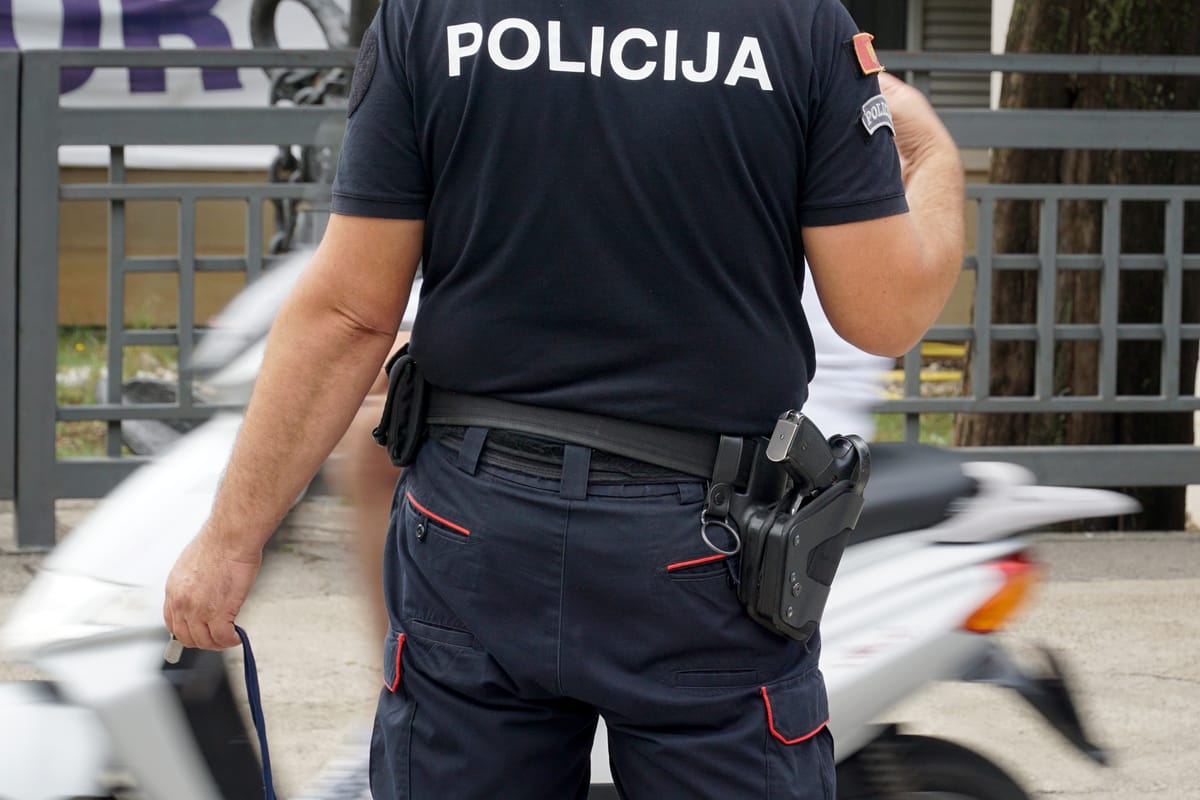
Victims said local police arrived at the scene but declined to intervene meaningfully. "We were all bleeding, and the police told us, 'You're making too much noise for the neighbors,' and walked away," one victim said. The group made its way to the local Chabad House, where volunteers helped transport one of the injured to the hospital, and the Israeli embassy arranged earlier flights home for the group. One victim remained hospitalized following surgery. "We felt like it was the Holocaust," one of the Israelis said. "We were beaten and lynched. We were afraid they were going to murder us, and we never fought back."
The back-to-back incidents have unsettled a travel relationship that had, until recently, been trending in the opposite direction. Only months earlier, El Al announced it was resuming direct flights to the Montenegrin coastal town of Tivat, restoring a popular and affordable summer route for Israeli holidaymakers. Montenegro, with its beaches, mountain towns, and low prices relative to Western Europe, has become an increasingly common destination for Israeli travelers in recent years.
The Plav and Budva attacks are the latest in a broader pattern of assaults and harassment targeting identifiably Israeli or Hebrew-speaking travelers abroad since October 7, 2023. A separate incident this month saw a group of Israeli tourists attacked with axes and knives at a campsite in Mongolia, where assailants reportedly shouted "Heil Hitler" after hearing the group speaking Hebrew; one traveler was flown home with a fractured jaw after members of the group, several of them former IDF combat soldiers, fought off the attackers.
Montenegrin authorities have not publicly confirmed whether arrests have been made in connection with either the Plav or Budva incidents. The Israeli Foreign Ministry has not issued a public statement on the attacks as of this writing.