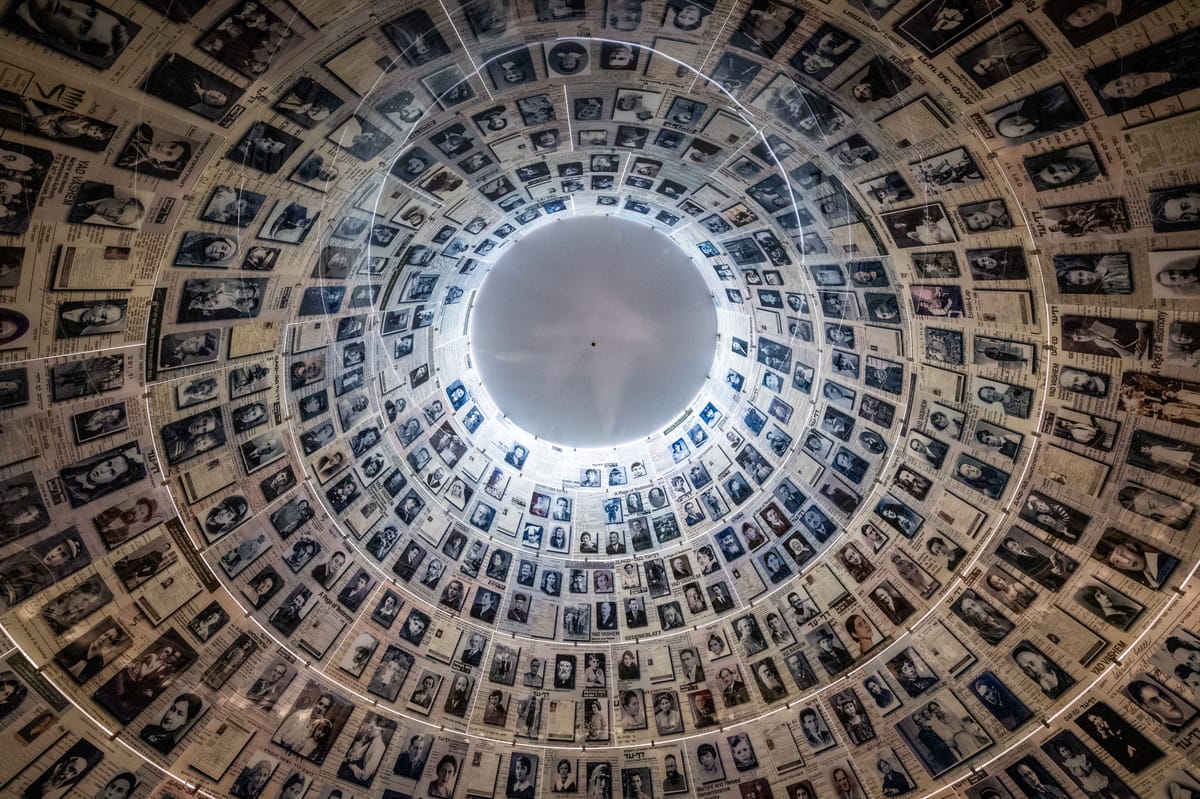
The ad has also unsettled some Holocaust scholars. John Efron, a Jewish history professor at UC Berkeley, acknowledged the intent behind broadening Yad Vashem’s appeal but criticized its execution. “It risks suggesting that a visit to Yad Vashem is fun or exciting, which could clash with its core purpose,” he said.
Alvin Rosenfeld, director of Indiana University’s Center for the Study of Contemporary Antisemitism, echoed this concern: “Time at Yad Vashem isn’t meant to entertain. The ad’s lighthearted vibe feels out of step with its mission.”
Yad Vashem, however, stands by the campaign. In a statement to The Times of Israel, the institution explained that the ad aims to showcase new initiatives designed to deepen public engagement with Holocaust history. “We want people to know there are fresh experiences and untold stories here, even for repeat visitors,” the statement read. “These efforts—from the Touching Memories theater to the Valley of Communities show—reflect our commitment to illuminating Jewish life before and during the Holocaust.”
The museum emphasized that adapting to modern audiences is integral to its work. A new collection center, offering glimpses of behind-the-scenes preservation efforts through art and artifacts, is among the highlighted projects. The sound-and-light show, still in development, is slated to debut in the coming months.
The campaign arrives at a pivotal moment. As the world marks 80 years since the end of World War II, Yad Vashem faces dual challenges: rising global antisemitism—intensified since Hamas’s October 7, 2023, attack on southern Israel—and a dwindling population of survivors able to share firsthand accounts. Experts stress that innovative tools, like virtual reality and AI, are increasingly vital to educate younger generations about the Shoah’s lessons and the perils of hatred.
Yet practical realities also loom large. A former Yad Vashem employee, speaking anonymously, suggested the ad reflects financial pressures. “Yad Vashem’s mission is critical, but visitor numbers are low outside Holocaust Remembrance Day, and donations are down,” they said. “Staff are leaving due to budget cuts. Management has to think commercially to survive.” Roughly 40% of the institution’s funding comes from the Israeli government, with the rest reliant on private contributions, which have waned in recent years.
The broader context underscores the stakes. A Claims Conference survey recently revealed that many worldwide remain unaware that six million Jews perished in the Holocaust, even as denial and distortion grow. With only 220,000 survivors still alive—half in Israel—traditional methods of education are fading. At this year’s International Holocaust Memorial Day, commemorating Auschwitz’s liberation, just 50 survivors attended, down from 300 a decade ago.
Yad Vashem’s latest move thus reflects a delicate balancing act: honoring its sacred duty while adapting to a changing world. Whether this ad signals a successful evolution or a misstep remains a subject of lively debate.
Times of Israel contributed to this article.