The dueling statements expose a fundamental disconnect at the center of the emerging U.S.-Iran memorandum of understanding: the two sides appear to be describing different agreements. According to IRNA, Baghaei was responding to Vance's statements and said Iran has not taken on any new commitments. IRNA also reported, citing officials familiar with talks in Switzerland, that Tehran did not negotiate the nuclear issue during 18 hours of discussions and did not accept any new obligations.
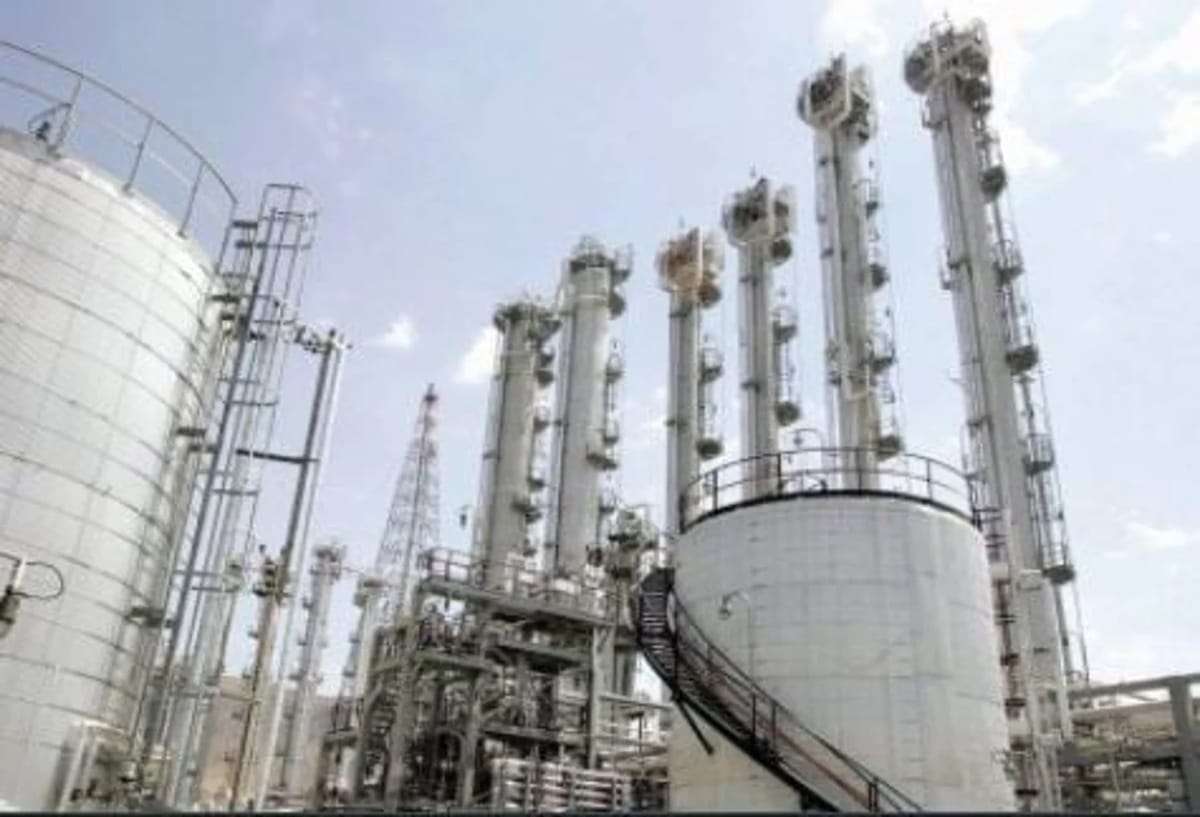
The gap over IAEA access is particularly significant given the state of monitoring on the ground. For nearly one year, Iran has restricted IAEA access and monitoring in violation of its safeguards agreements, and the IAEA reports a near-total, ongoing loss of monitoring of Iranian nuclear sites, an unaccounted-for enriched uranium stockpile, and the persistence of long-standing compliance failures. The IAEA has declared Iran in violation of its NPT safeguards agreement.
Inspectors have observed regular vehicular activity at bombed sites, including the underground complex at Isfahan and the enrichment facilities at Natanz and Fordow, through satellite imagery. However, without on-site inspections the agency cannot determine the nature or purpose of those activities.
Even Vance acknowledged on Monday that American declarations of Iranian commitment may be premature. "You can't trust anybody's words, you have to trust what they actually do," Vance told reporters before leaving Switzerland. "Letting in the inspectors is a big deal, but again, we're going to see what they actually let the inspectors do once they're in the country. That's going to continually be a part of our negotiation."
The contradiction over inspection access is compounded by ongoing questions about Iran's nuclear infrastructure. According to an analysis of satellite images by the Washington Post, after the American strikes on June 22, Iran began accelerating construction on the underground site of Kūh-e Kolang Gaz Lā tunneled into the Zagros mountain range approximately one mile to the south of the Natanz nuclear facility. Although work on the site began in 2020, international inspectors were never given access.
A U.S. draft resolution reportedly sponsored by the United States and the European Union demands Iran provide the IAEA with "precise information on nuclear material accountancy and safeguarded nuclear facilities" and grant inspectors full access to verify that information "without delay." Iran's statements Tuesday suggest that demand remains unmet.
Critics of the MOU have warned the contradictions were predictable. "The actual MOU is deeply flawed," said Mark Dubowitz, chief executive of the Foundation for Defense of Democracies. "The administration needs to stop defending it beyond stating the truth: It's a stopgap measure to resupply energy markets, lower gas prices, and help Republicans in the midterms."
Technical talks between the parties are continuing, with Iranian Deputy Foreign Minister Kazem Gharibabadi confirming that four-way discussions have concluded in Switzerland and that arrangements for future negotiations have been agreed upon. The GCC is expected to play a key role in implementing elements of the MOU, particularly around the Strait of Hormuz, with the Trump administration looking to the multilateral body to lead efforts to address Iran's ballistic missiles and support for proxies.
The 60-day framework agreed upon in Switzerland is intended to serve as a roadmap toward a final deal. Whether that deal will include binding commitments on IAEA access to the bombed sites, and any actual restrictions on how Iran spends its unfrozen assets, remains an open question that Tehran's statements Tuesday did nothing to resolve.