Miriam Dikstein Opens Up Losing Her Husband Ivri, an IDF Commander Who Fell in Gaza
Miriam Dikstein, who lost her husband 2nd Lt. Ivri Dickstein in combat in Southern Lebanon, joined the "Kikar FM" studio for a powerful conversation with Eli Gotthelf. In the interview, she reflects on her husband’s leadership, the chilling "parting gift" she received on the way back from his funeral, and the legacy of a generation fighting for its home.
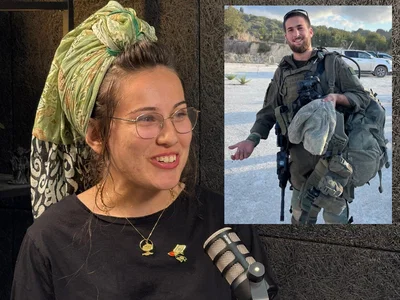
The connection between interviewer Eli Gotthelf and 2nd Lt. Ivri Dikstein began with a unique request at the start of the "Iron Swords" war. Ivri, a platoon commander in Golani’s 51st Battalion, sought "kosher" (basic) phones for his soldiers.
"It was so important to him that his fighters could maintain contact with their wives and homes without endangering the unit's location," Miriam recalls. "He knew that a soldier whose wife is praying for him and knows he is okay is a soldier with a strong home front and a quiet mind." This logistical operation led to a face-to-face meeting where Gotthelf witnessed Ivri’s quiet charisma, an officer who ensured every soldier ate before he touched his own food.
Heroism in Southern Lebanon
Ivri, raised in the community of Eli and a student of the "Shavei Hevron" Yeshiva, fell during a mission to clear buildings in the village of Tayr Harfa. Upon entering a structure, Ivri sensed danger in the third room. He ordered his machine gunner to step back and entered first. Behind a large cabinet, a cell of five terrorists lay in ambush. Ivri was killed instantly.
Miriam describes receiving the news while on duty at her own military base: "In one moment, the ground falls away. But what held me up was the understanding that we are part of the 'Eternal of Israel.' Suddenly, you realize you belong to the nation. I am no longer just Miriam, and Ivri is no longer just Ivri."
A "Hug" at the Intersection
One of the most heart-wrenching moments shared in the interview occurred just after the funeral. Ivri had a tradition of sending Miriam flowers every Shabbat they spent apart. He was killed on a Thursday, and the funeral was held Friday morning.
"After the funeral, the casualty officers told me there was a delivery waiting for me," Miriam says. On the way home, at the Ofra intersection, Rabbi Ohad Teharlev (a bereaved father himself) boarded the bus and handed her a bouquet with chocolate and a note.
"I am returning from my husband's funeral and I receive flowers from him. It felt like a hug from Ivri saying, 'I'm still here.'" The note read: *"My dear wife... I am here, happy, doing something significant for our people. I'm okay, don't worry about me. Enjoy the chocolate and the beauty of the bouquet."
Those flowers, now preserved in epoxy, sit on top of Ivri’s Talmud set in Miriam’s living room.
A Message of Unity
Miriam chose to speak on a Haredi (Ultra-Orthodox) platform to bridge divides. "This isn't just my story; it’s a story of a generation that rose up to fight," she explains.
The interview concludes with a call for mutual respect, particularly regarding Memorial Day. Miriam and Eli emphasized that honoring those who sacrificed their lives, whether through a moment of silence or reciting Psalms, is a moral duty that transcends religious sectors.
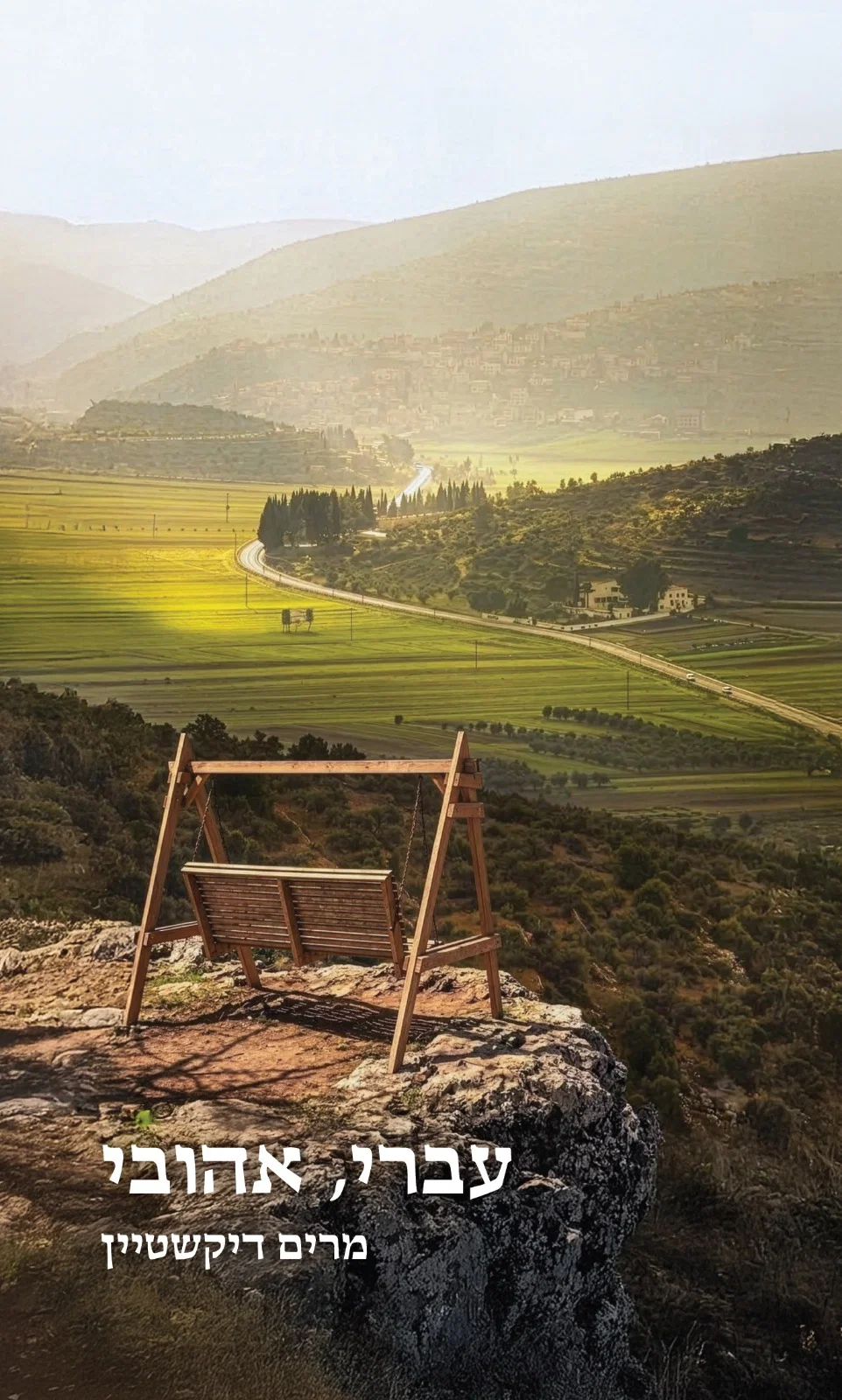
Miriam has compiled their story of love and mission in a new book titled "Ivri, My Beloved" (Yedioth Books), which focuses not on death, but on the vibrant life he left behind.