During Sunday's enlistment day for ultra-Orthodox tracks in the Israel Defense Forces, Channel 13's correspondent for Haredi affairs, Yoeli Brim, offered a nuanced analysis of how military service affects ultra-Orthodox identity. Speaking with Kikar Hashabat, Brim addressed recruitment numbers, the wave of arrests targeting yeshiva students, and the complex question of what happens to a Haredi individual's identity after enlisting.
Haredi Enlistment Day
IDF Service Distances Haredim from Community
Channel 13's Haredi affairs correspondent Yoeli Brim analyzes how military service affects ultra-Orthodox identity, criticizes arrests of yeshiva students, and distinguishes between religious observance and communal belonging
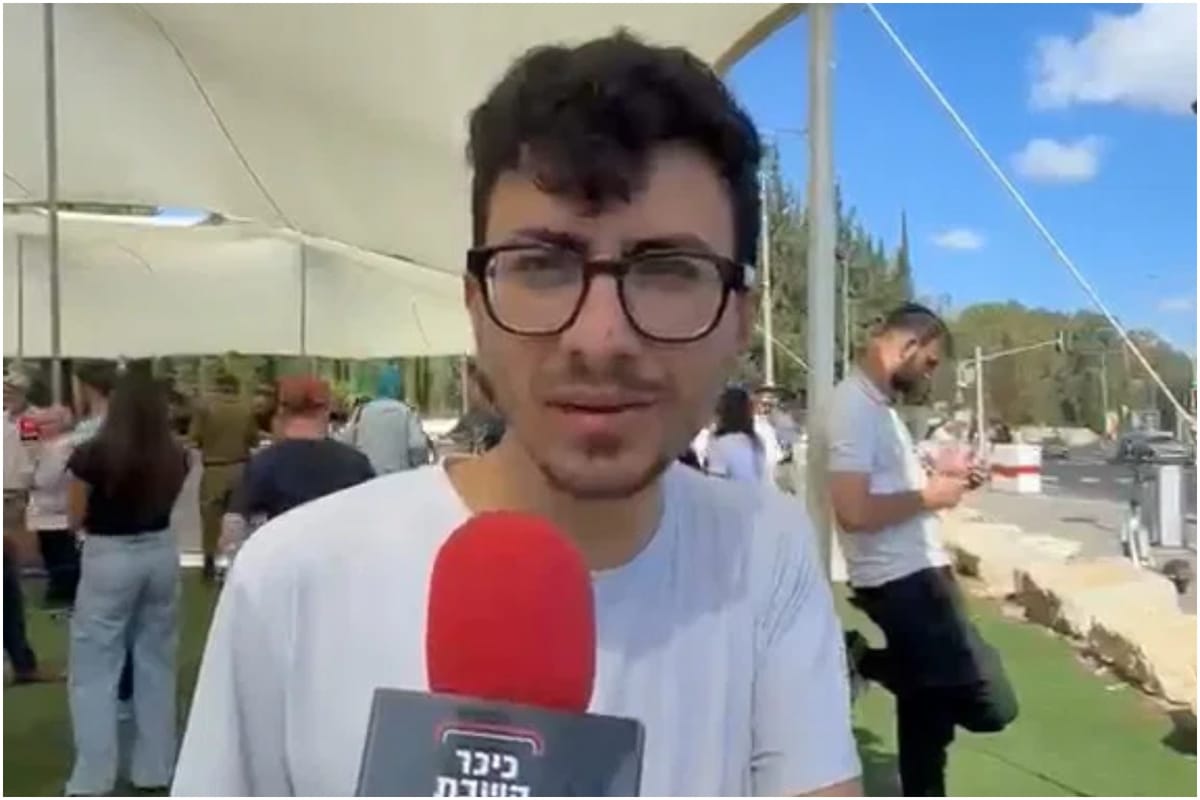
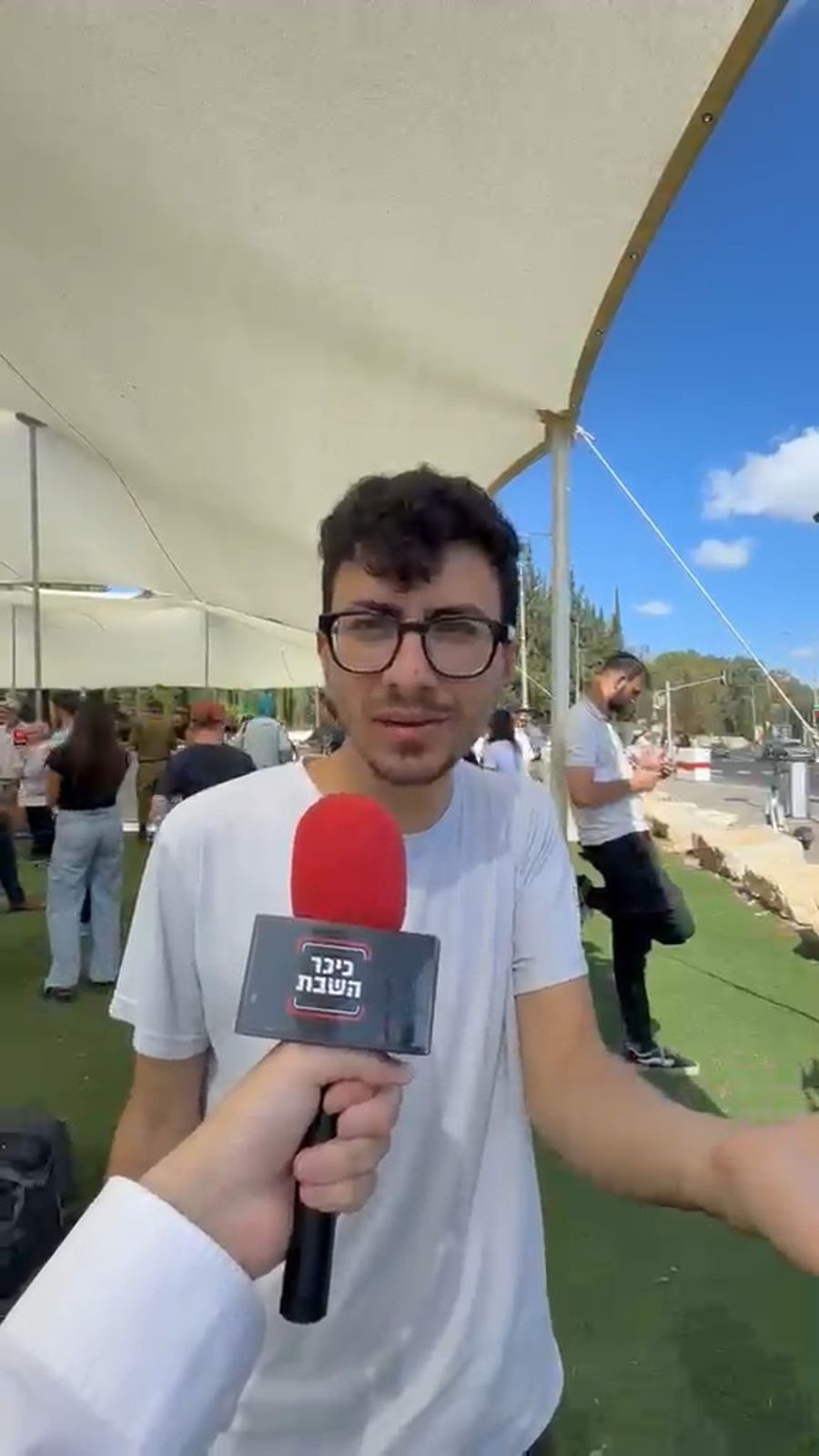
Brim argued that IDF service impacts a Haredi person's communal affiliation even when it doesn't necessarily diminish their religious observance. "I think it's impossible to enter the army as a Haredi person and leave as a Haredi person," he stated. According to Brim, "You can become religiously stronger, but in terms of being Haredi, being connected to the sector, I think the chances diminish if you enter the army."
He emphasized the distinction between Torah observance and membership in Haredi society. "You distance yourself from 'Harediness', not from religion. You need to make a separation," he explained.
A Haredi youth who enlists may continue observing commandments and even strengthen religiously, Brim suggested, while simultaneously drifting from Haredi communal life. "In terms of Torah and mitzvah observance, in my opinion he will observe Torah and mitzvot, and may even become stronger. But slowly he will disconnect from the [Haredi] sector. He'll be exposed to different lifestyles, he'll be exposed to religious Zionist friends, secular friends," he explained.
צילום: Video: Kikar Hashabbat