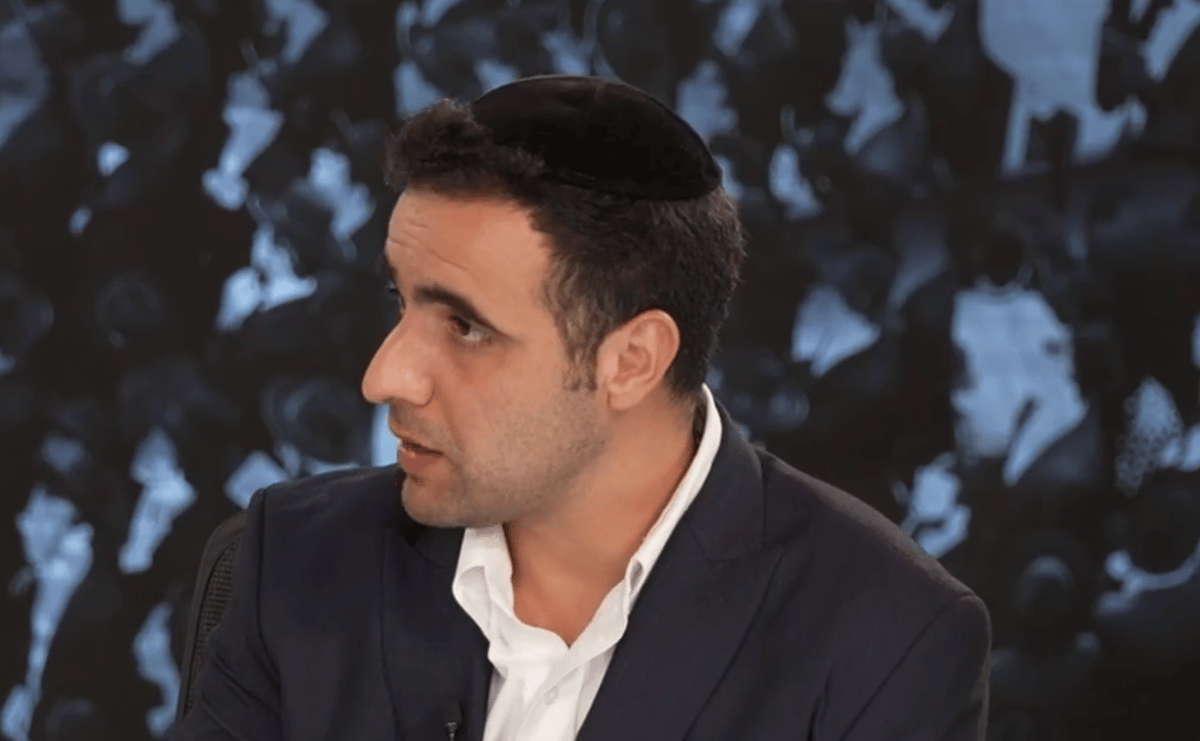

Political analyst Yishai Cohen, who covers ultra-Orthodox affairs for the Kikar Hashabat news site, appeared on the "Black Kippot" program to discuss a new political challenge within Israel's haredi community. Cohen addressed the "Haredi Public" party led by Moti Leitner from Beit Shemesh, arguing that while Leitner voices genuine frustrations felt on the ultra-Orthodox street, he himself cannot convert that sentiment into electoral success.
Cohen acknowledged widespread dissatisfaction exists. "There's no question this atmosphere is present in the haredi community," he said during the program. "More than four Knesset seats' worth of voters want to see change in haredi political leadership and are very disappointed with the recent term. But is Leitner their representative? The answer is unequivocally no. If he runs, he's not worth half a Knesset seat."
To illustrate the paradox, Cohen drew a comparison to education debates within the sector. Many haredi parents want their children to study core secular subjects including English and mathematics, he noted, yet refuse to enroll them in schools that offer such curricula. The reason: those institutions are perceived as opposing haredi rabbinic authority.
The same dynamic applies politically, Cohen argued. "The haredi public wants to see change in leadership, but it won't vote en masse for a party that presents itself as anti-haredi establishment," he explained. The community's desire for reform, in other words, stops short of supporting movements seen as challenging the authority of its religious leaders.