Get our mobile app
Download on the App StoreGet it on Google Play

 arrests of bnei yeshiva resume

"No government without draft law first"

With arrests of yeshiva students resuming three weeks before the election, a senior figure in one of the chareidi parties tells JFeed: The situation proves the Yerushalmi Faction was right all along --- we will not support any coalition unless it passes a draft law before anything else

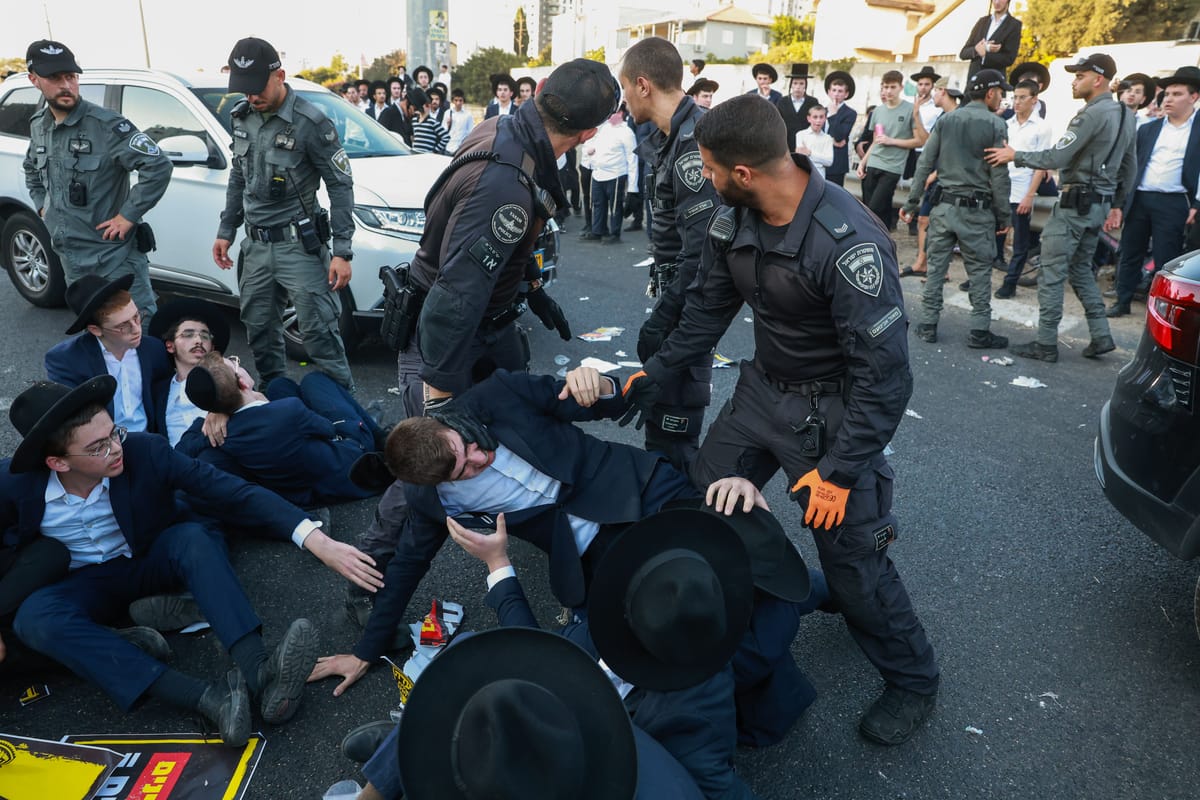
Yerushalmi Faction protest against arrest of yeshiva students | Archive

The overnight attempt to arrest a student of Yeshivas Ohr HaChaim in Modi'in, twenty days before his wedding, for being absent from the IDF, and the Attorney General's renewed push to resume arrests of yeshiva students, has thrust the draft issue back onto the public agenda just three weeks before the election.

Alongside fears of a wave of arrests that, as in the past, would lead to clashes and chareidi protesters arriving to block the military police, there is growing recognition within the chareidi parties that what happened in the past cannot be allowed to continue.

A senior figure in one of the chareidi parties tells JFeed: "The situation we are in now, and throughout this entire period, no draft law in place, and legal officials pushing the army and police to resume arrests that will clearly lead to clashes and protests, proves to us first and foremost that the Peleg Yerushalmi was right all along in everything they said about the draft issue."

"After all, the Faction argued the whole time that there is no one to talk to, that the clear goal is to lead to mass conscription of bnei Torah, and therefore they went out and fought and protested every time a yeshiva bochur was arrested - and that led to a certain deterrent effect. In addition, they demanded all along to re-legislate the 'Torah is his profession' arrangement, because only that can prevent the drafting of bnei Torah."

"And now we see with our own eyes that they were right," the official adds. "All the efforts of the chareidi parties to resolve the issue through dialogue have failed. All the attempts to advance a draft law that would include quotas did not succeed. We are left without a law and with concrete threats of a wave of arrests that could flood the streets with protests and clashes."

"Today," he emphasizes, "with every arrest attempt, masses of yeshiva bochurim and avreichim arrive, the cream of the chareidi public, not just random bochurim, who fight and struggle to prevent the arrest, in most cases with great success. But is this our goal? No. We have all become the Faction overnight, going out to protest and demonstrate."
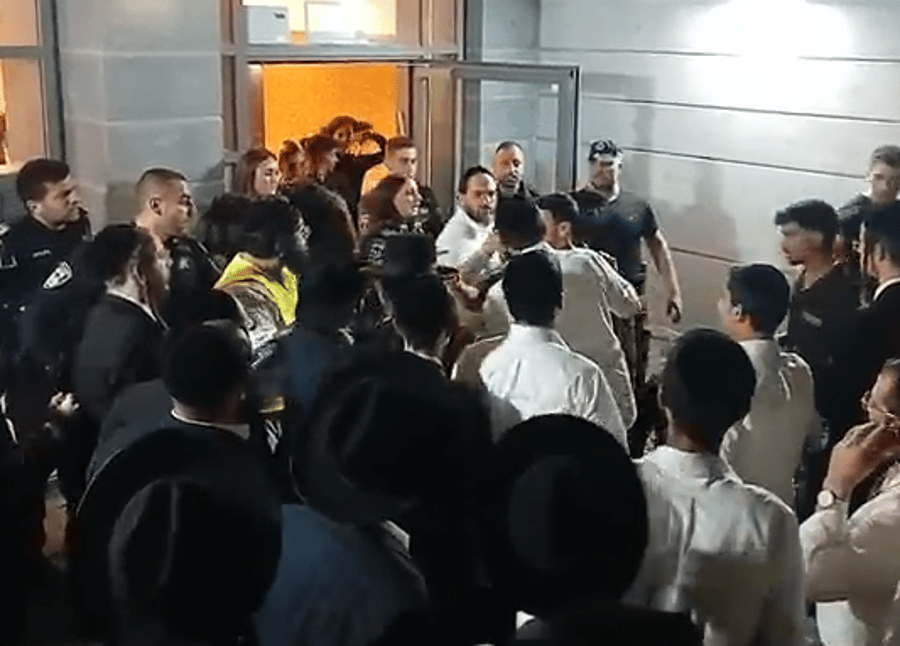

Confrontations at the entrance to the yeshiva student's home

When we asked what the solution is in his view, he laid out a firm position: "It is true that there is no chance and nothing to discuss about restoring the 'Torah is his profession' arrangement, and any draft law will need to include quotas and targets, as we agreed in the law we tried to advance in the outgoing government, but it is inconceivable that we could agree to a government being formed with our support without it passing the draft law first and foremost."

"Not dismissing the Attorney General, not judicial reform, not anything else, only a draft law first and foremost, before everything. Without that, we will not support the formation of any government," he stresses, noting that some of the gedolei Yisrael, both Sephardi and Ashkenazi, have already spoken on the matter and made clear that this will be the first and most decisive demand.

Earlier today, a senior source in Yahadut HaTorah attacked the resumption of arrests, telling JFeed: "For more than two months, the military police refrained from proactive arrests. The decision to resume them specifically three weeks before the election is blatant political interference and a deliberate attempt to harm the chareidi parties and the right-wing bloc."

As we reported earlier, in a follow-up hearing held by the Attorney General, it emerged that 64 draft-obligated individuals left the country and were arrested only when they returned to Israel.

The Deputy Attorney General demanded an urgent improvement in enforcement levels, noting that its absence does not align with security needs, the principle of equality, or the state's commitments to the High Court.

Army officials announced that proactive enforcement will resume during October, in coordination between the military police and police stations.

Ready for more?

Join our newsletter to receive updates on new articles and exclusive content.

We respect your privacy and will never share your information.

Enjoyed this article?

Yes
No
Follow Us:

Unmissable content


Loading comments...

Also of Interest