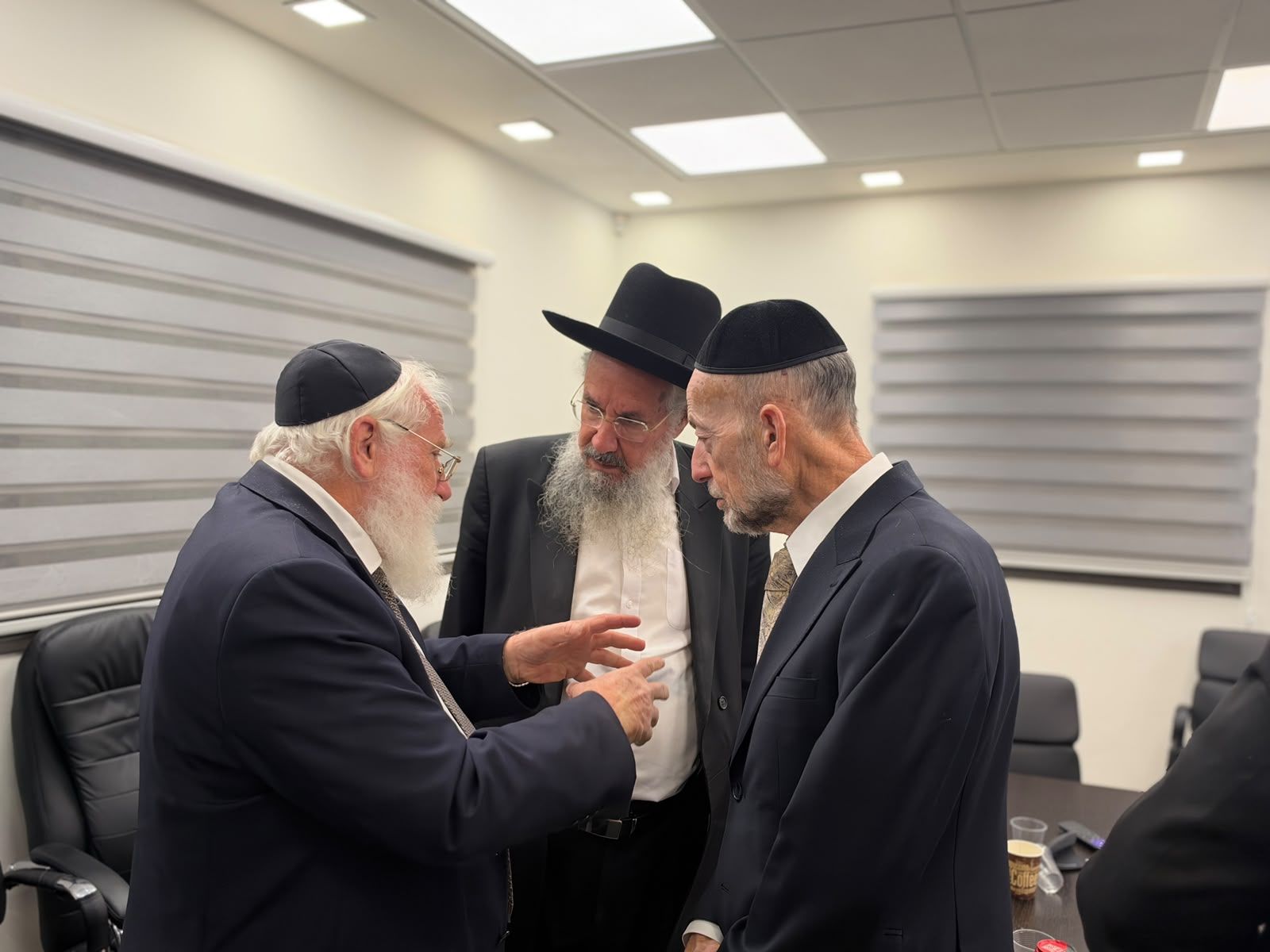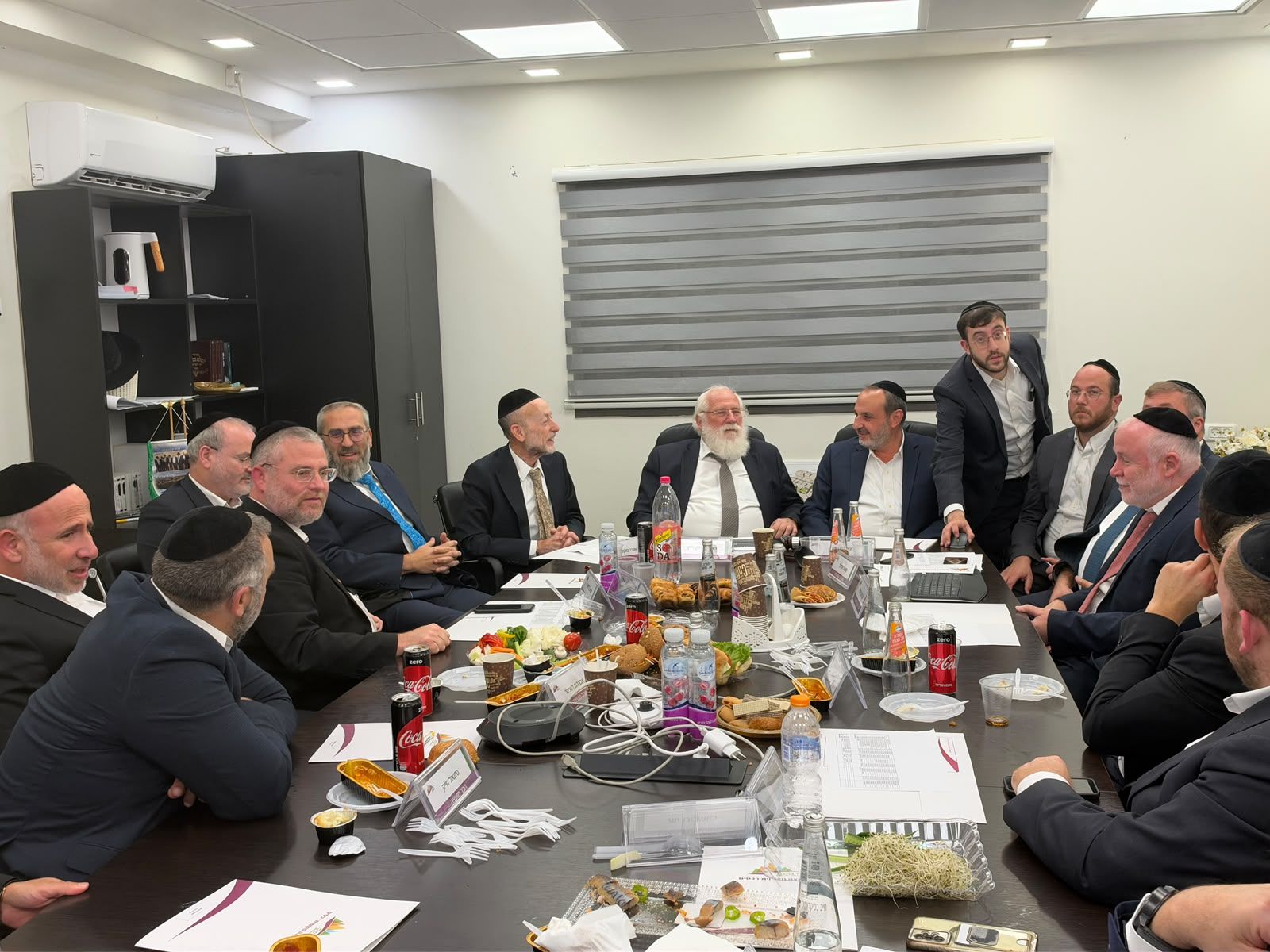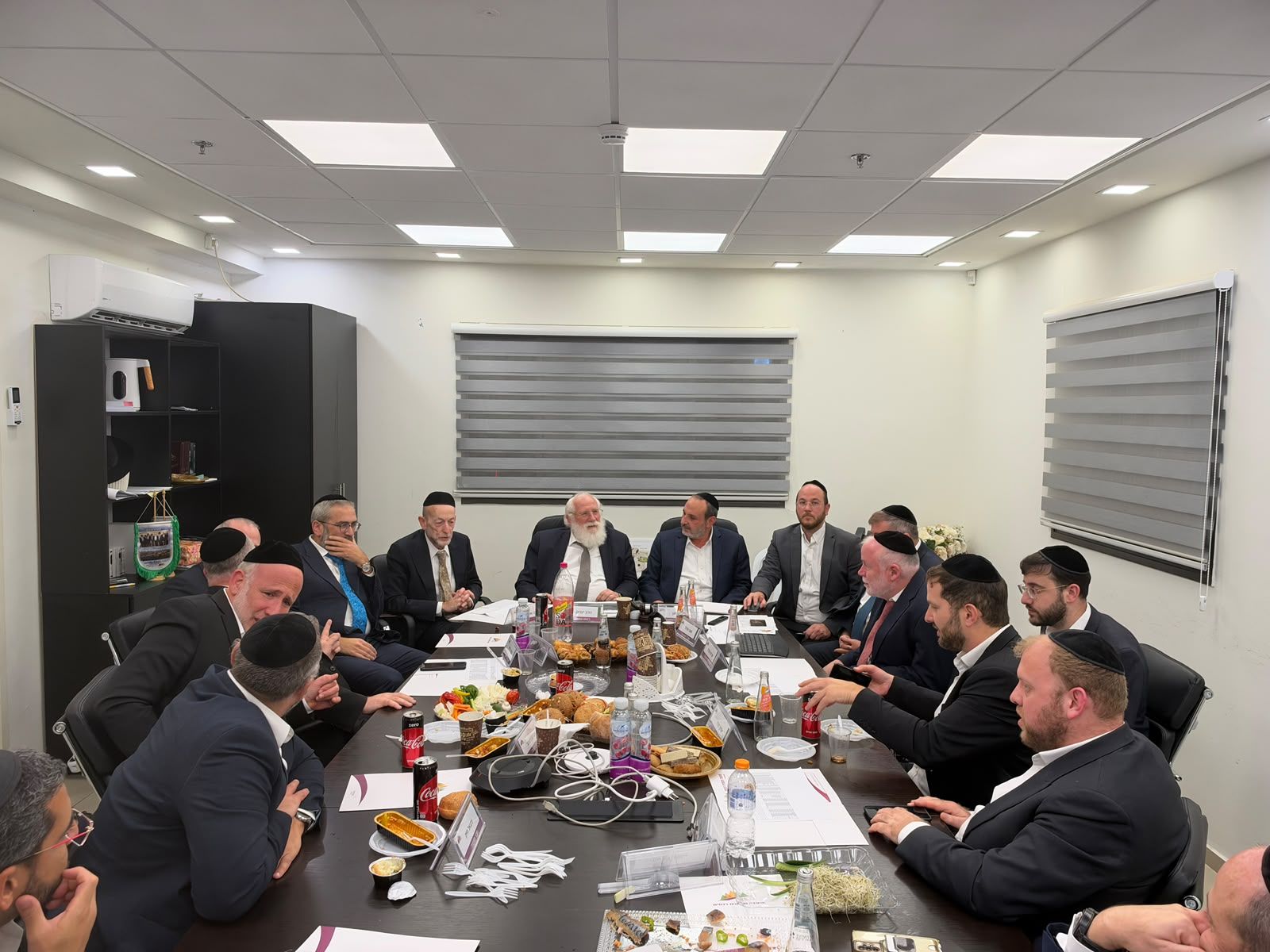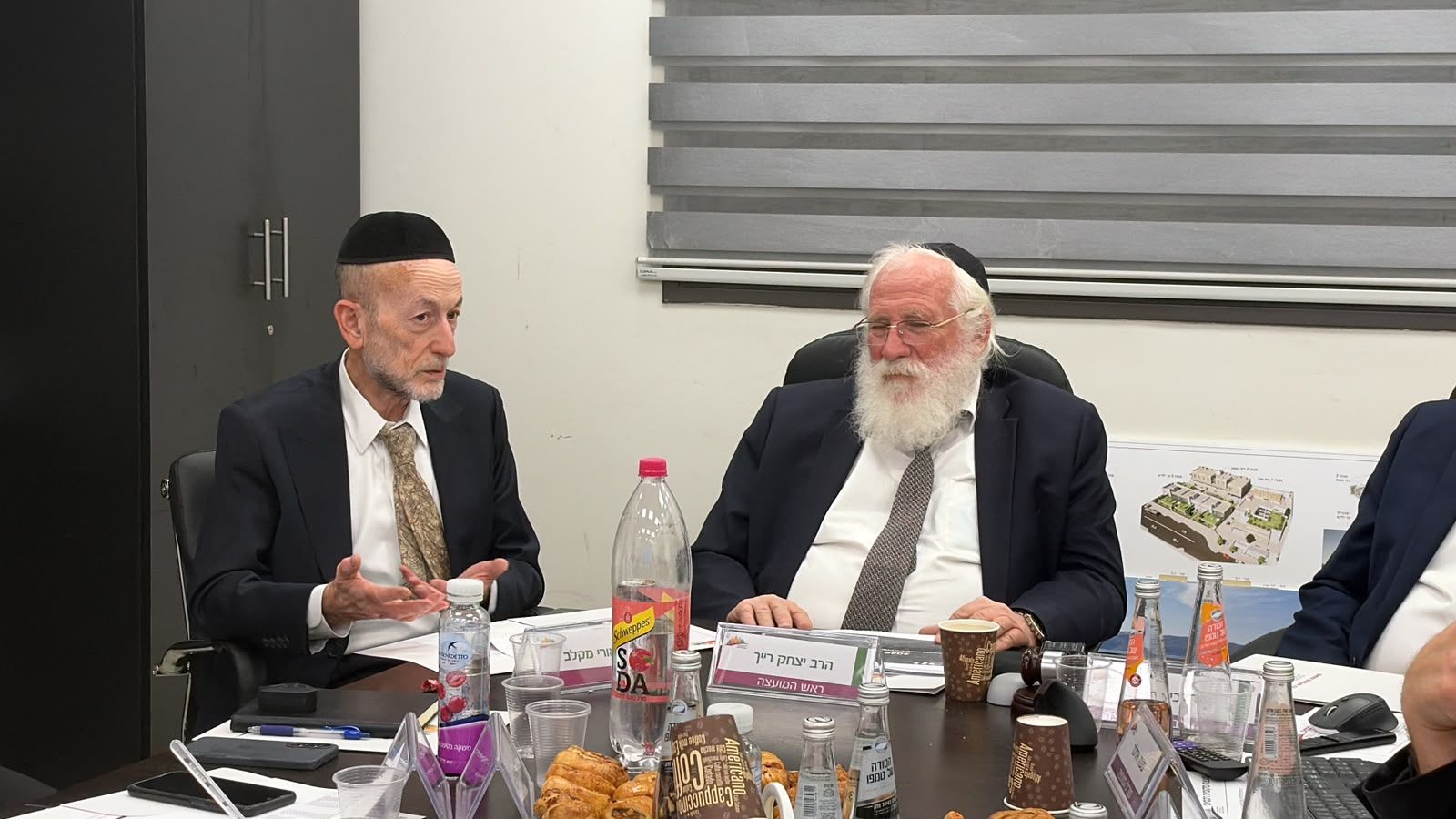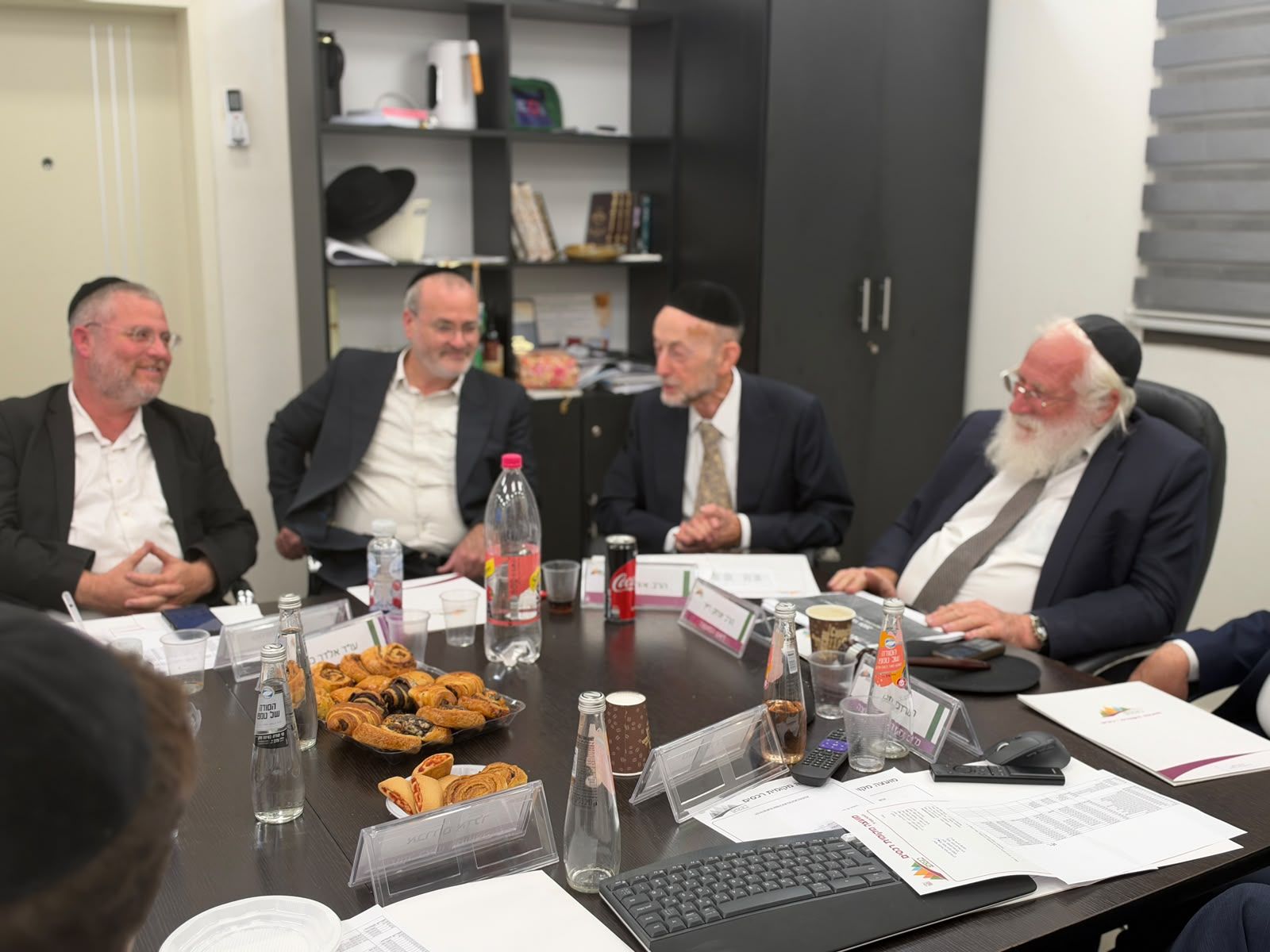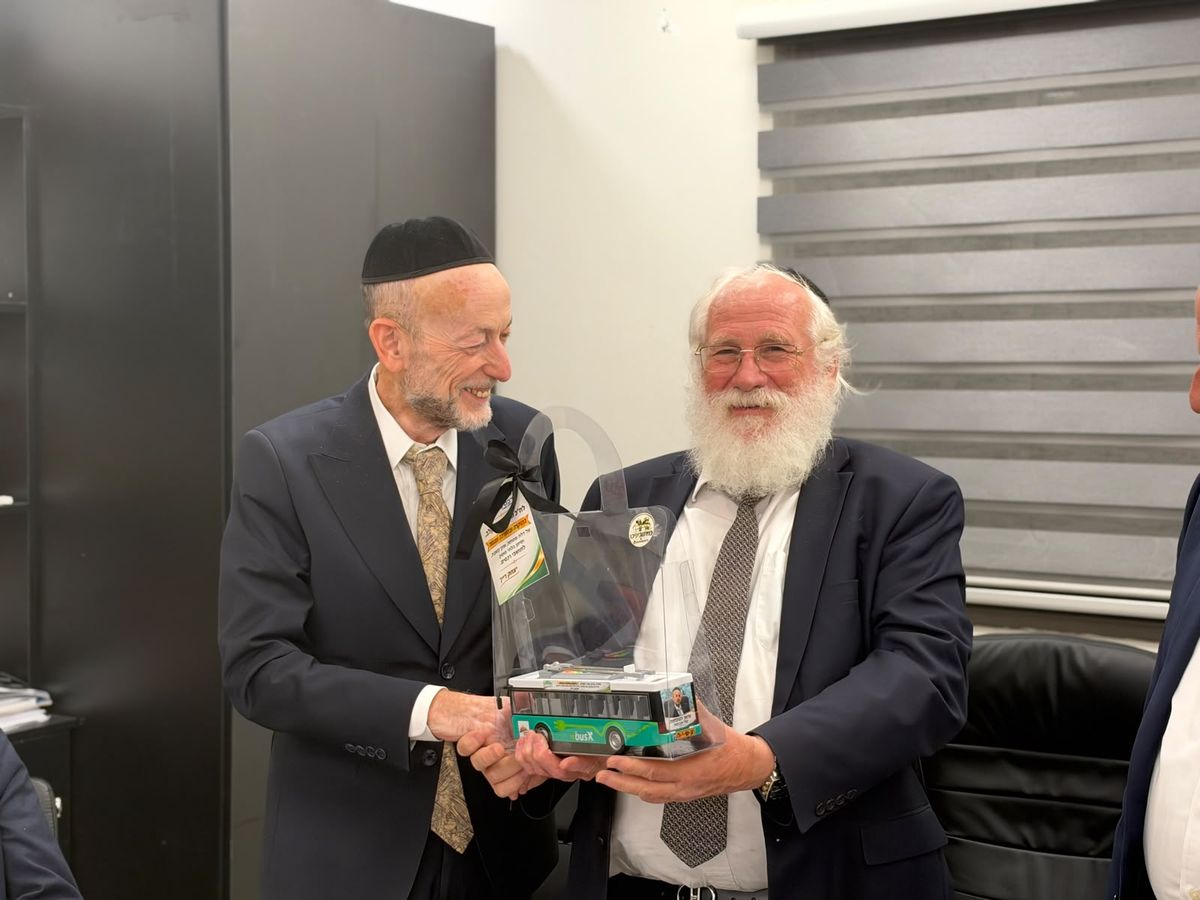
The Rechasim Local Council held a festive session Wednesday night that turned into an evening of tribute to former MK Uri Maklev, who served as Deputy Transportation Minister. Council head Yitzchak Reich, council members from across factions, and Degel HaTorah representatives from northern cities gathered to thank Maklev for years of work on behalf of the region’s residents.
Reich hosted the session, attended by Rav Yitzchak Shechter of Rechasim’s rabbanim, deputy council head Pinchas Breuer, and council members Avraham Danziger and Menachem Spigler. Shas was represented by deputy and acting council head Mordechai Wizgan and council members Nesanel Chayak, Yitzchak Hadad and Shai Hakshuri. Likud representative Shraga Hameiri also attended.
Degel HaTorah representatives came from across the north, including acting Karmiel mayor Pinchas Siroka, Kiryat Ata council member Elkana Weisenshtein, and Haifa council member Miki Alper, turning the local session into a regional tribute representing all four communities.
Speakers praised Maklev as someone who put the periphery at the center and attended to every detail. They said that during his tenure at the Transportation Ministry, he invested resources and funding to serve young chareidi families settling in the north, and paid close attention to the needs the communities themselves raised.
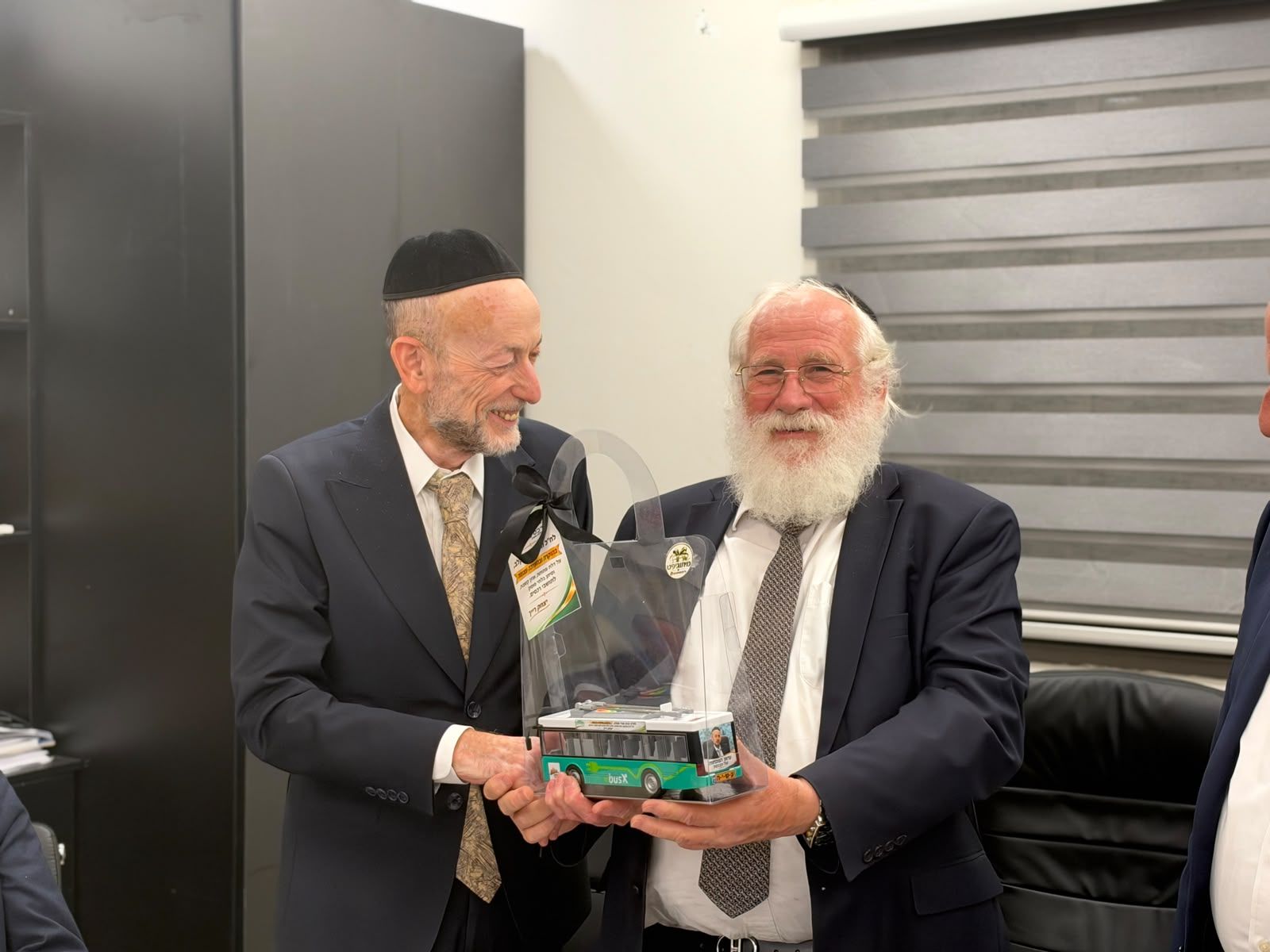
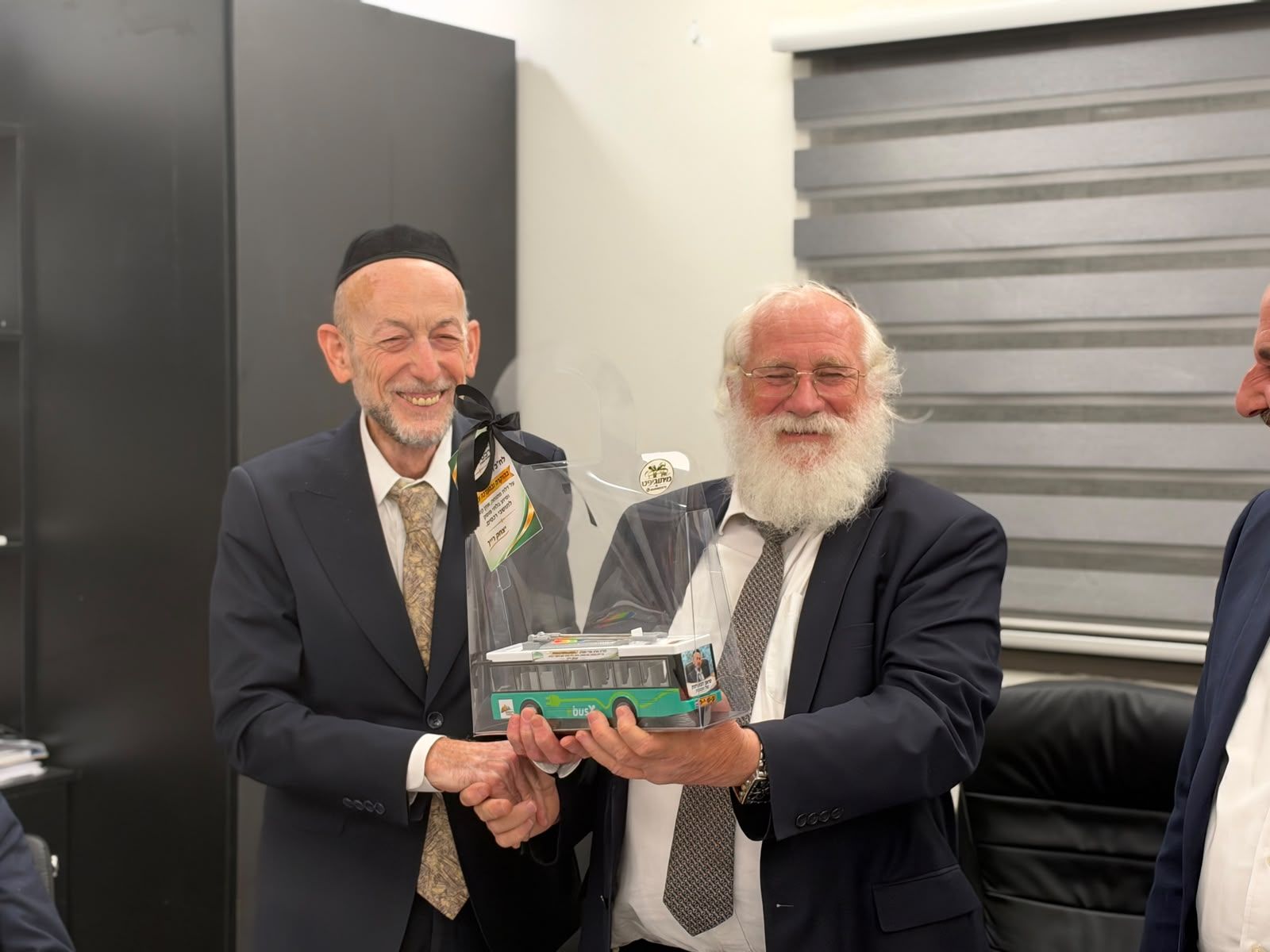
At the end of the session, Reich presented Maklev with a gift reflecting his work: a model bus bearing his name.
Rechasim’s growth explains why the transportation work mattered. The community, which began as a transit camp in the 1950s, now has some 16,000 residents, most of them chareidi. In recent years it has become one of the main destinations for young chareidi families in the north, and building plans now being advanced are expected to double its population.
But the housing came before the buses, and residents long made do with service that didn’t match the community’s size or growth. Against that backdrop, Maklev pushed to expand service to Rechasim and connect it with nearby chareidi communities.
Maklev credited Degel HaTorah representatives in the north, calling the change a significant step that followed extensive work. He said the guiding principle was to match service to residents’ needs. Routes that until now operated only on weekends will run throughout the week, with reinforcements on every line, direct routes, and significantly upgraded service to Yerushalayim. The process took about two years, he said.
Maklev stressed the importance of linking the four communities. The kehillos in Haifa, Kiryat Ata, Karmiel and Rechasim have all grown in recent years and are closely connected, he said, and the new transportation links will let residents travel among them faster and more easily. He added that the change addresses educational, employment and community needs and could boost economic activity in the region, especially in Rechasim, which is expected to become a major city.