Get our mobile app
Download on the App StoreGet it on Google Play

Historic Discovery in the Making?

Drilling Begins in Search of Noah's Ark

Scientific team launches excavation at mysterious boat-shaped formation in eastern Turkey, collecting samples to determine if site contains remains of the biblical vessel

Researchers Begin Drilling Near Mount Ararat in Search of Noah's Ark
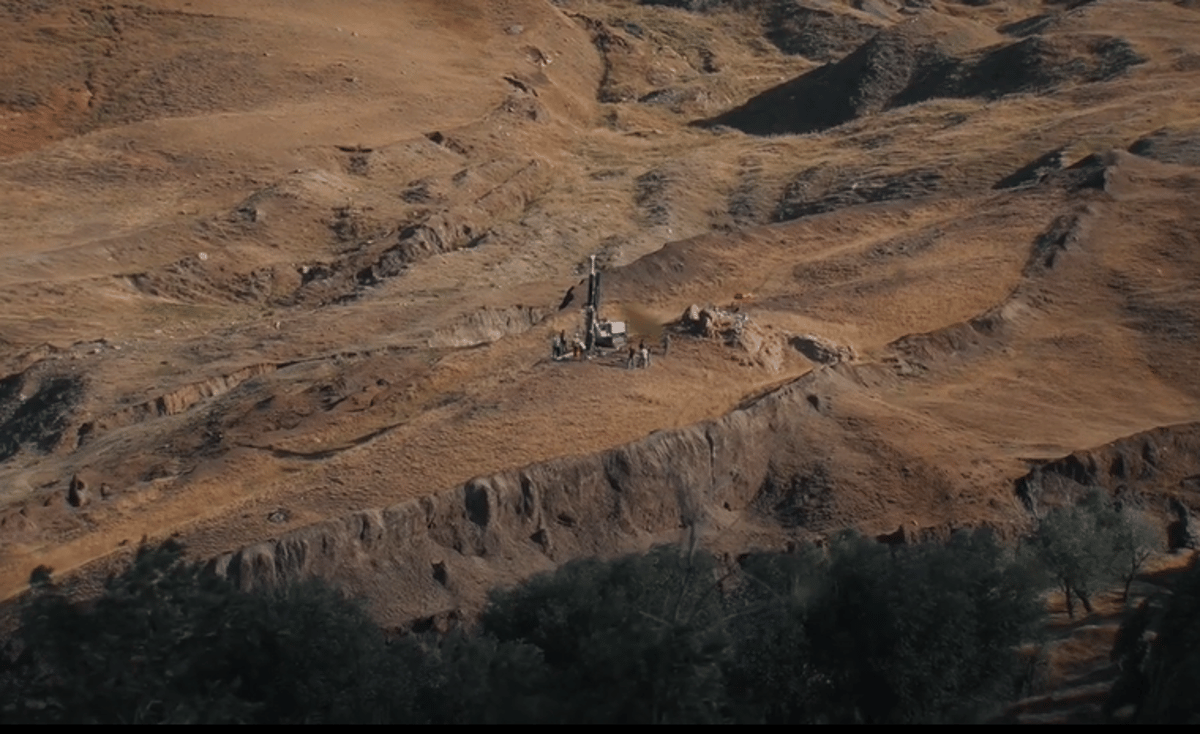
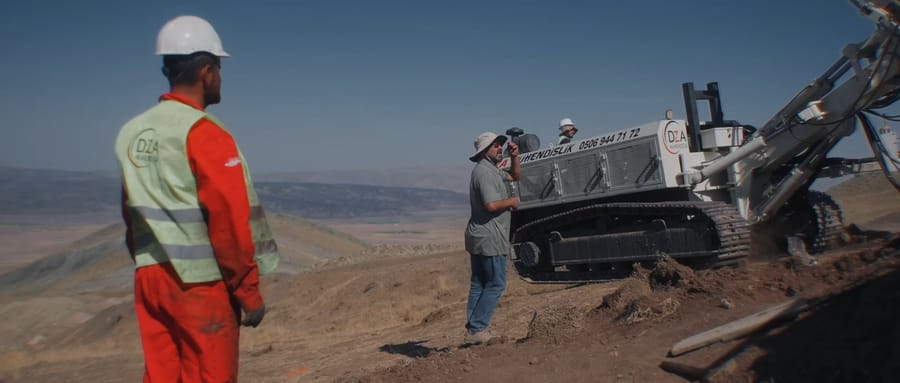
Excavation work at the site
Excavation work at the site (Photo: Noahs Ark Scans)

A scientific expedition has launched drilling operations at a mysterious boat-shaped formation in eastern Turkey, seeking to determine whether underground remains could shed light on one of the Bible's most enduring mysteries: the final resting place of Noah's Ark.

The site, known as the Durupinar formation, lies in eastern Turkey near Mount Ararat, the mountain named in the book of Bereishit as the Ark's landing place. The research project is led by Professor Cenker Atilla of Cumhuriyet University in Sivas, working alongside specialists from multiple disciplines with authorization from Turkish authorities.

The team is employing three-dimensional mapping technology, ground-penetrating radar, soil analysis, and deep drilling to collect samples and investigate what lies within and beneath the formation.


Underground Anomalies and Unusual Shape

The Durupinar formation was officially identified in 1959 by Turkish military officer Ilhan Durupinar, who photographed the area from the air. The formation measures approximately 164 meters in length, and its unusual shape has fueled decades of speculation that it could be remnants of the vessel described in Bereishit.

According to the research team, scans conducted at the location have revealed underground anomalies, including structures that appear to be corridors and chambers. Additionally, previous soil sample tests indicated unusually high levels of organic material, the researchers claim. However, these remain preliminary findings that do not prove the site is the Ark.

The team now hopes that the drilling operations and scientific testing will provide a clearer picture of what lies beneath the surface. Results from the research are expected to be analyzed in laboratories over the coming months.

Ready for more?

Join our newsletter to receive updates on new articles and exclusive content.

We respect your privacy and will never share your information.

Enjoyed this article?

Yes
No
Follow Us:

Unmissable content


Loading comments...

Also of Interest