Get our mobile app
Download on the App StoreGet it on Google Play

Iraq and Turkey lead smuggling network

Iran: $22bn through 7 back doors

While US naval blockade chokes Iran's southern ports, Tehran moves massive sums through land and sea routes via Iraq, Turkey and Central Asia • CENTCOM's new Iron Gate task force faces uphill battle

Blockade on Iran
Blockade on Iran
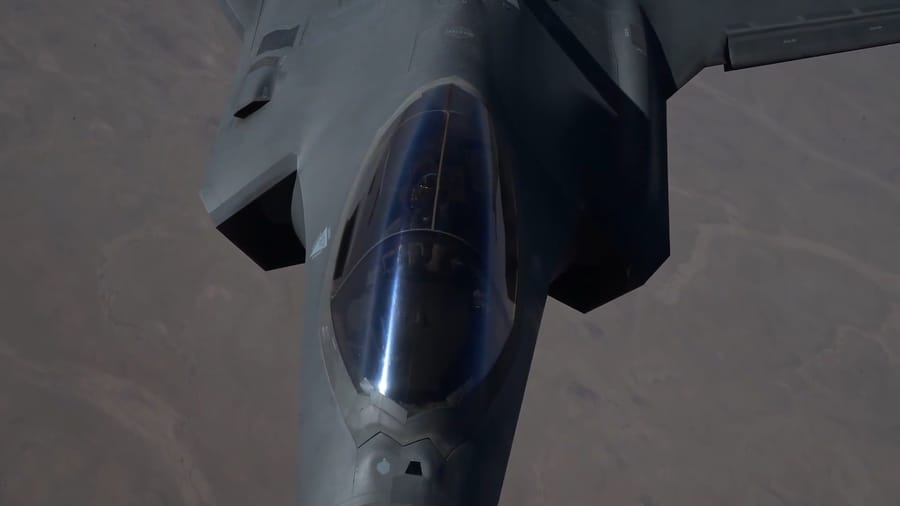
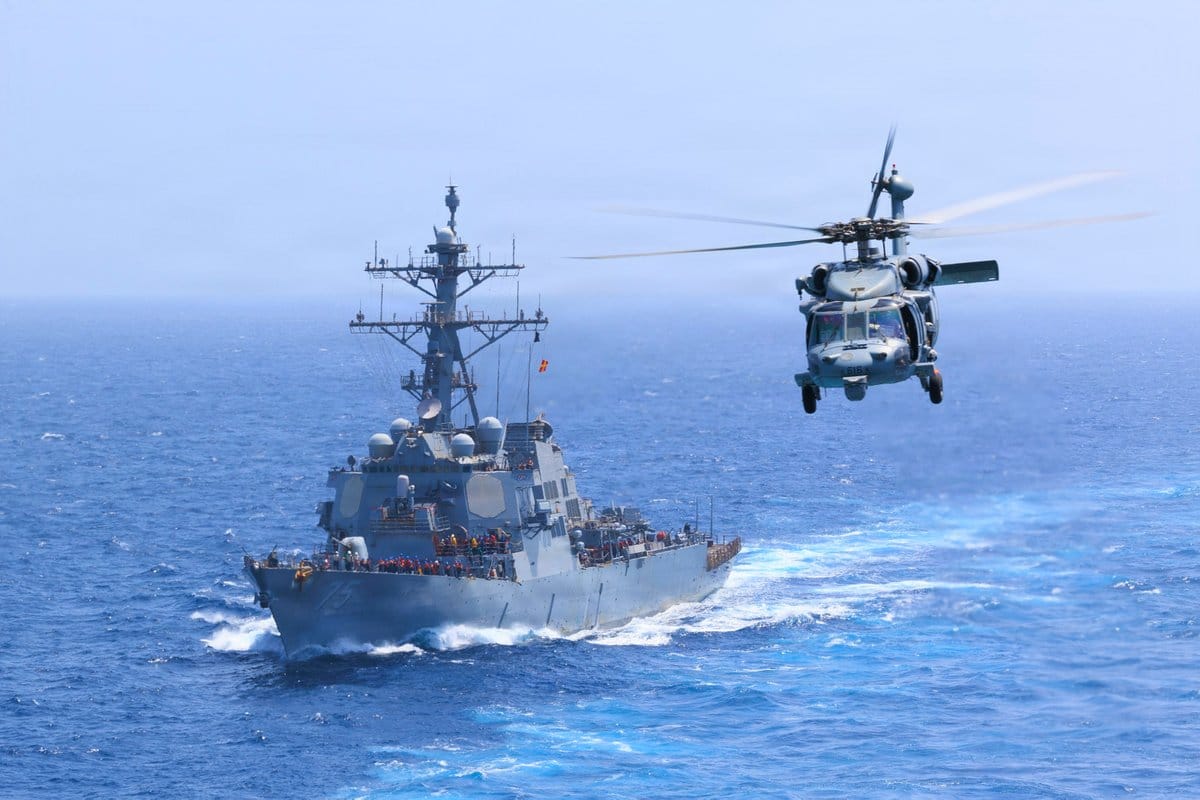
Blockade on Iran (Photo: US Army CENTCOM)

While the American naval blockade chokes the economic lungs of the regime in Tehran, Iran has found dramatic alternative routes that bypass the sanctions. Since April 2026, when the United States closed the country's two main ports, Bandar Abbas and Chabahar, which handled about 80% of national trade, it seemed the Iranian economy was facing total strangulation.

But the reality on the ground proves the regime is operating a sophisticated system of "back doors" channeling enormous capital. In 2024–2025 alone, approximately $22 billion passed through seven main land and sea crossings. Since the closure of the southern ports, traffic through each of these routes has surged dramatically, posing a major challenge to CENTCOM's new task force, Iron Gate, established to plug the gaps.
The main corridors: from Iraqi pipelines to the China express train

Iraq serves as Tehran's main oxygen line. With a volume of $8.9 billion in a single year, through ten border crossings (including Khosravi, Shalamcheh and Mehran), gas exports, electricity and goods flow along a 1,600-kilometer border, backed by strong political protection in Baghdad.

Turkey channels about $4 billion through the Bazargan road crossing and the Razi rail crossing, Iran's only rail link to Europe. Since the ports closed, truck traffic jumped 60% and rail climbed 300%. Here the US holds enhanced leverage given Turkey's NATO membership.

The Caspian Sea represents a unique arena moving $3.4 billion, this time in the opposite direction, importing goods from Russia and Kazakhstan. The ports of Anzali, Amirabad and Nowshahr recorded cargo increases of about 50%.

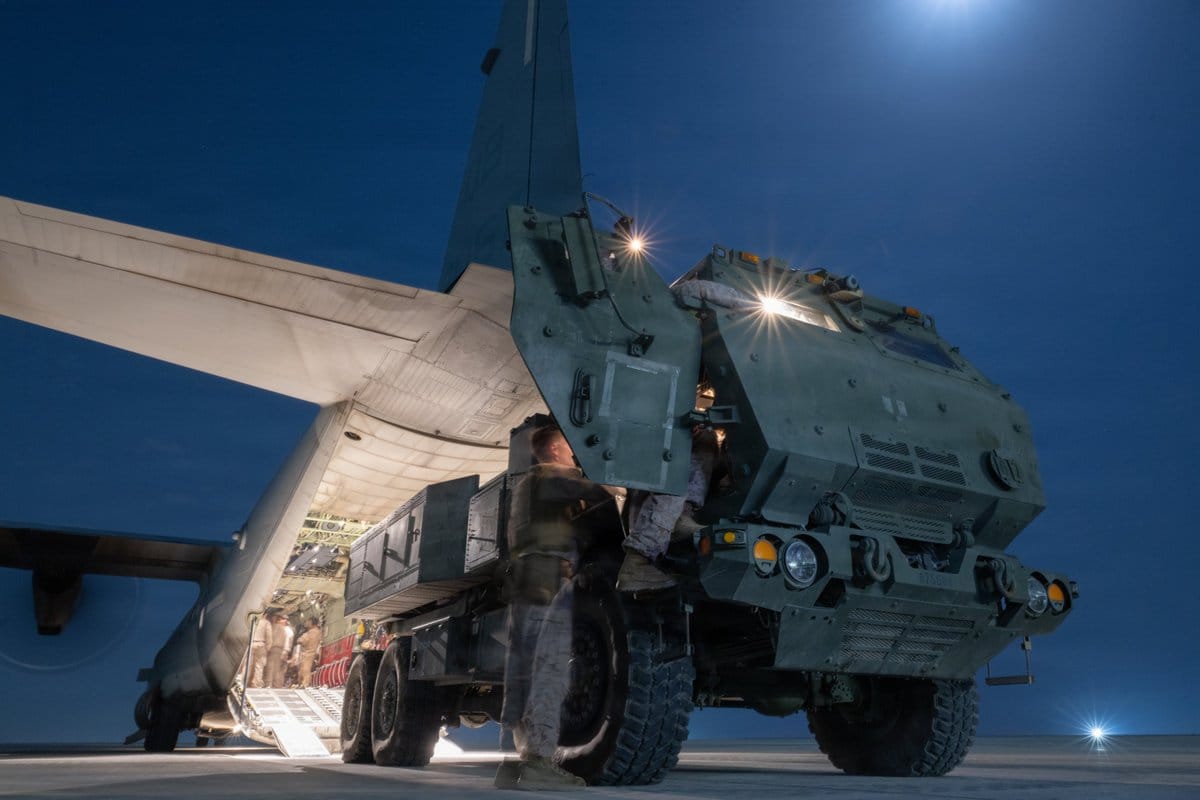
American forces facing Iran
American forces facing Iran (Photo: US Army CENTCOM)

Azerbaijan and Armenia, with $2.5 billion, constitute a critical meeting point for shared Iranian and Russian interests. Crossings such as Astara, Jolfa and Norduz serve as major traffic routes.

Turkmenistan and Central Asia move $1.1 billion, with the focus on the Sarakhs crossing, the rail gateway to Central Asia and China. Recently, the first direct train from China to Iran arrived at this point, completely bypassing the southern ports. Alongside these, crossings with Pakistan and Afghanistan complete the regime's economic safety net.

According to an investigation published by Reuters, Iran operates a massive covert procurement network numbering more than 5,000 agencies, which succeeded in importing military equipment worth at least two billion dollars, even during the war. The system includes heavy trucks of European manufacture, raw materials for rocket fuel, explosives and advanced engine parts.

While experts and analysts watch Tehran's economic arms race, it is clear that the naval blockade alone is not enough to subdue the Iranian economy as long as the land borders remain wide open. The Iron Gate task force now faces a fateful test: will Washington succeed in blocking the seven back doors, or will closing each door only widen the other gates?

As President Trump stated in an interview with CNN, "They are fading economically. We hit them militarily, and we can eliminate them completely." However, eight months after the war broke out, the sides are still far from agreement, and the confrontation remains in a state of relative stalemate.

American helicopter in operation
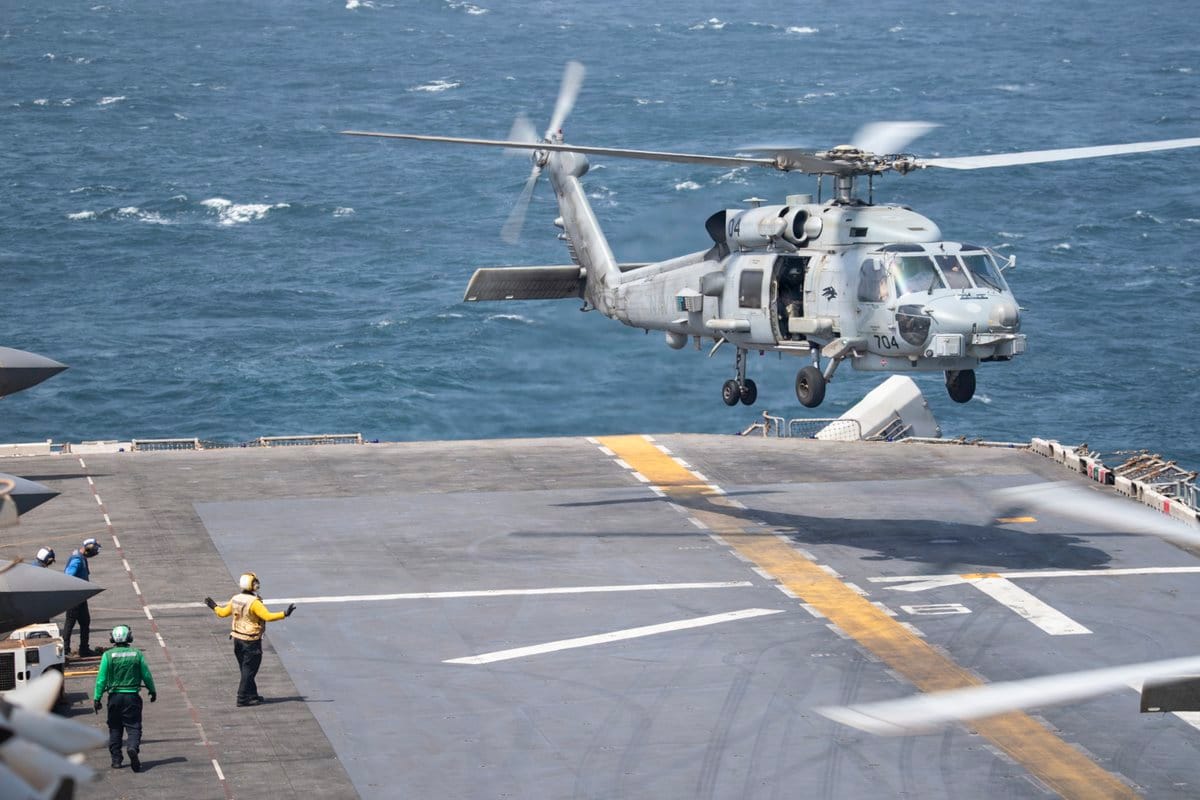
American helicopter in operation (Photo: US Army CENTCOM)
Ready for more?

Join our newsletter to receive updates on new articles and exclusive content.

We respect your privacy and will never share your information.

Enjoyed this article?

Yes
No
Follow Us:

Unmissable content


Loading comments...

Also of Interest