The American helicopter loses altitude. Gunfire strikes it from every direction, and the pilots struggle to maintain control of the aircraft as it takes hit after hit. Below them stretches a mountainous, forested region in North Vietnam, deep inside enemy territory.
The mission that began as a rescue of a downed American pilot is about to become another disaster. Within moments the helicopter crashes, and the crew finds itself in the heart of hostile territory, surrounded by local forces.
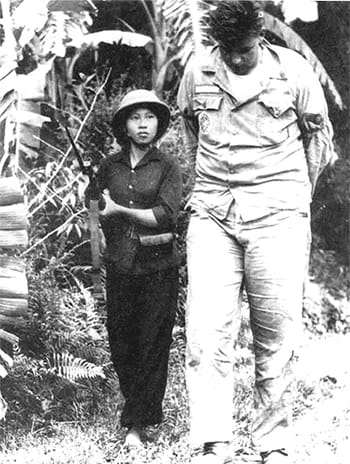
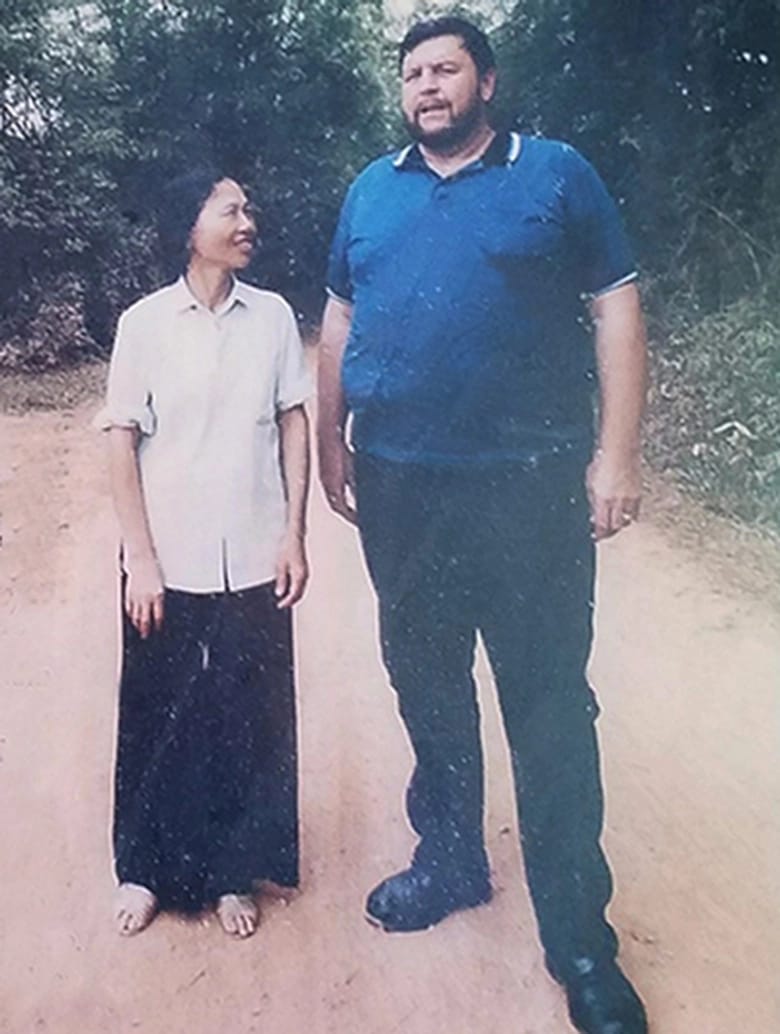
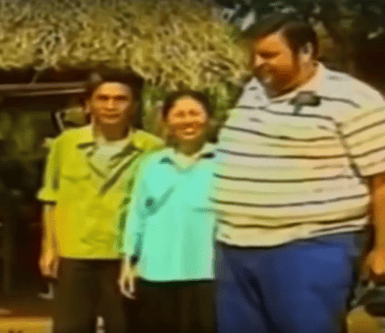
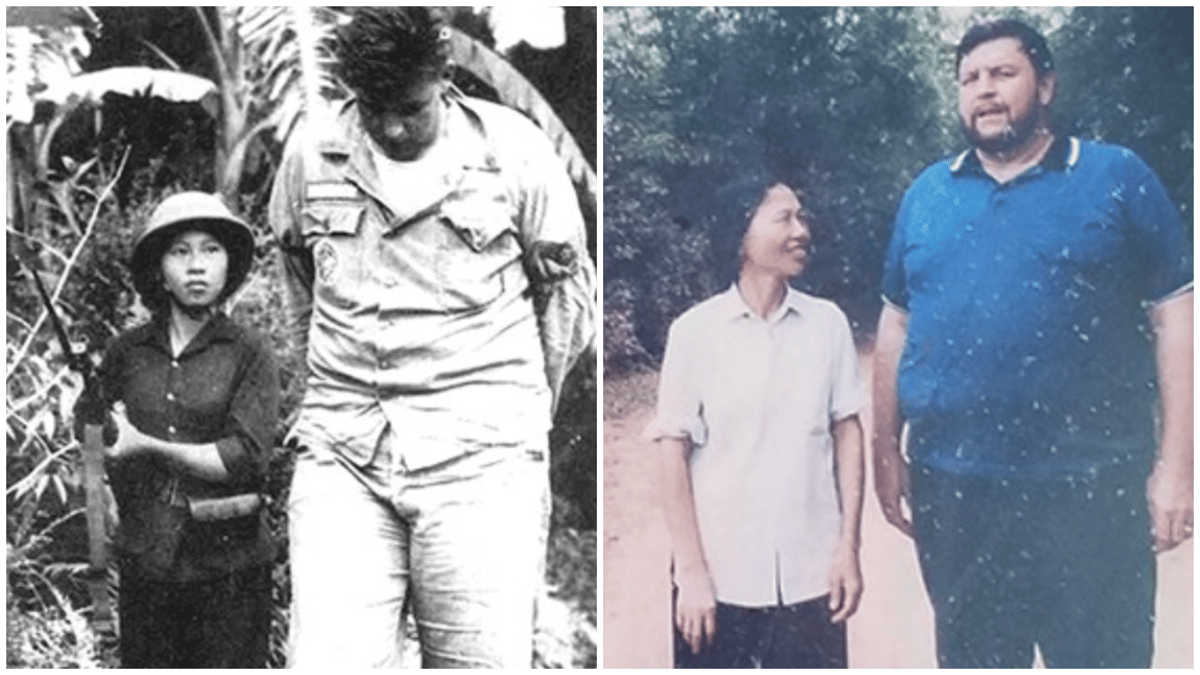
One of them was a 22-year-old American standing nearly 6 feet 7 inches tall. He was easy to spot.
William Andrew Robinson was born on August 28, 1943, and grew up in eastern North Carolina.
Billy grew up in a poor textile-mill town. His father abandoned the family and his mother died of cancer when he was only 15, and he was raised by his grandparents.
After finishing high school, Billy tried to reconnect with his distant father and work with him in earthmoving and construction.
Less than 24 hours after his high school graduation ceremony, Billy found himself driving a dump truck for the first time in his life, with his father shouting at him from the roadside because he couldn't keep up the pace.
The attempt ended quickly when Billy wrecked one of his father's dump trucks. The accident led to a rare moment of mutual agreement between the two: Billy needed to find a different line of work. Billy joined a master carpenter and built houses from foundation to finish for 50 cents an hour, and worked unloading tobacco and in garages until his enlistment.
In the early 1960s, as a young man starting out in life, he chose to enlist in the U.S. Air Force. In 1961 he began his military service, underwent training and served in various roles and bases in the United States, and later in Korea.
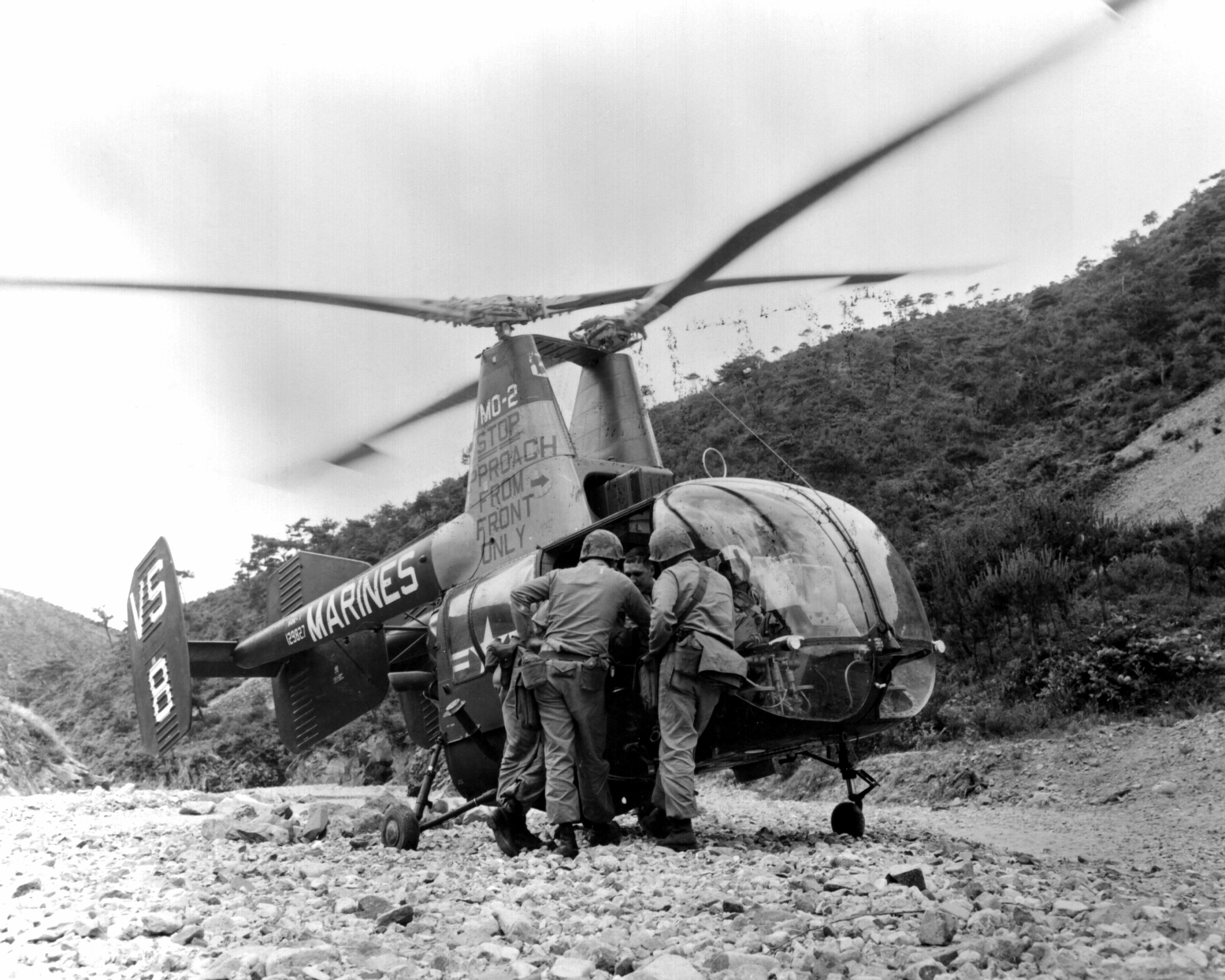
In South Korea (1963) his unit provided helicopter support for peace talks at Panmunjom, but the helicopter's most common mission was transporting the local general's wife on shopping trips to Seoul. The crew joked among themselves that they should replace the unit's official insignia with a picture of a "shopping bag."
A bit later, the war in Vietnam expanded. The United States increased its military involvement, and its aircraft flew bombing and strike missions in the north of the country. At the same time, an air rescue system developed that was designed to locate pilots whose aircraft had been hit and who were forced to abandon them over enemy territory.
For the Americans, rescuing a downed pilot was a critical mission. A pilot who landed in hostile territory could be captured within hours, so rescue units often operated under heavy fire and in extremely difficult conditions.