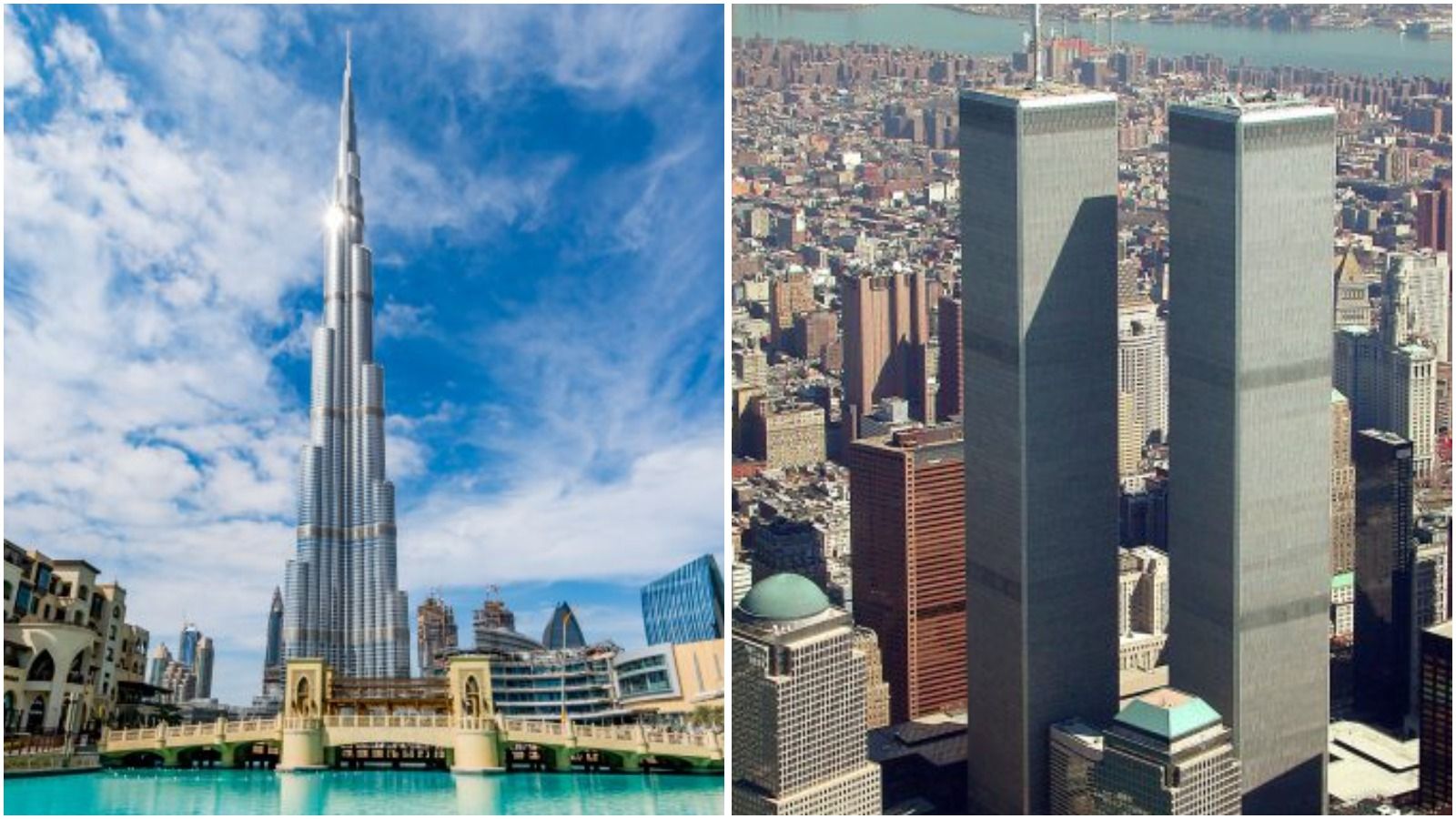

The skyscraper was born in Chicago in 1885 with the Home Insurance Building—the first structure in modern history to break the height barrier that had held since Migdal Bavel. The breakthrough combined a steel skeleton frame with a safe elevator, allowing builders to climb past the limits of traditional construction and offer businessmen a view worth paying for.
From an engineering standpoint, the case for building upward is strong: efficient use of scarce urban land, concentrated economic activity in a single location, and panoramic views that command premium prices from those willing to pay them.
But the challenges are equally formidable. Construction and maintenance costs run into the hundreds of millions, surrounding neighborhoods suffer from traffic overload and strained infrastructure, and in emergencies or extreme weather the engineering complexities can turn residents' private paradise into a high-altitude trap.