Get our mobile app
Download on the App StoreGet it on Google Play

EXPLAINER

Landmines: the weapon that never stops

From ancient China to modern Israel, the landmine remains one of warfare's cruelest inventions—a weapon that cannot tell a soldier from a child, and stays deadly long after the fighting ends

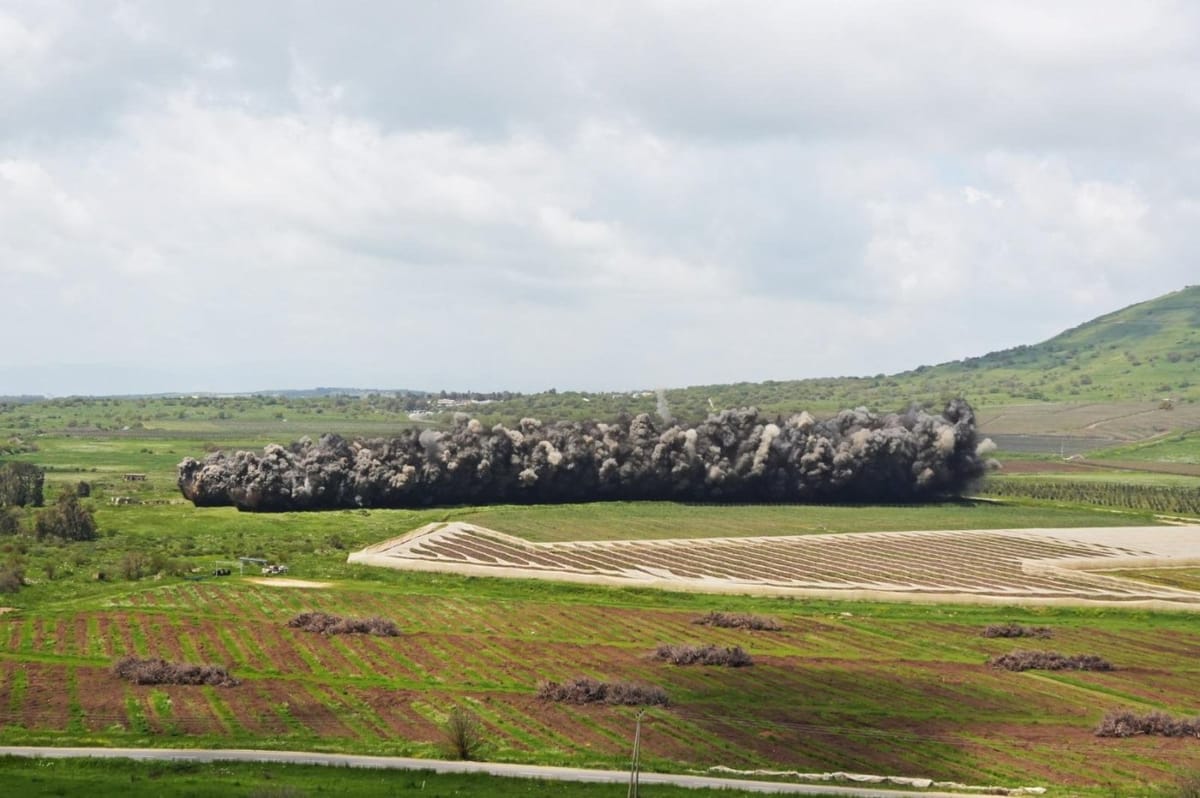
Landmine detonation

The devastating unexploded ordnance incident in the Galilee today is a stark reminder of the danger posed by explosive devices buried in the ground or left behind in the chaos of war.

The landmine is considered one of the most dangerous, destructive and cruel weapons ever created by man, primarily because it is designed to detonate at the point where it will cause maximum damage, and because of its catastrophic impact on civilian populations.

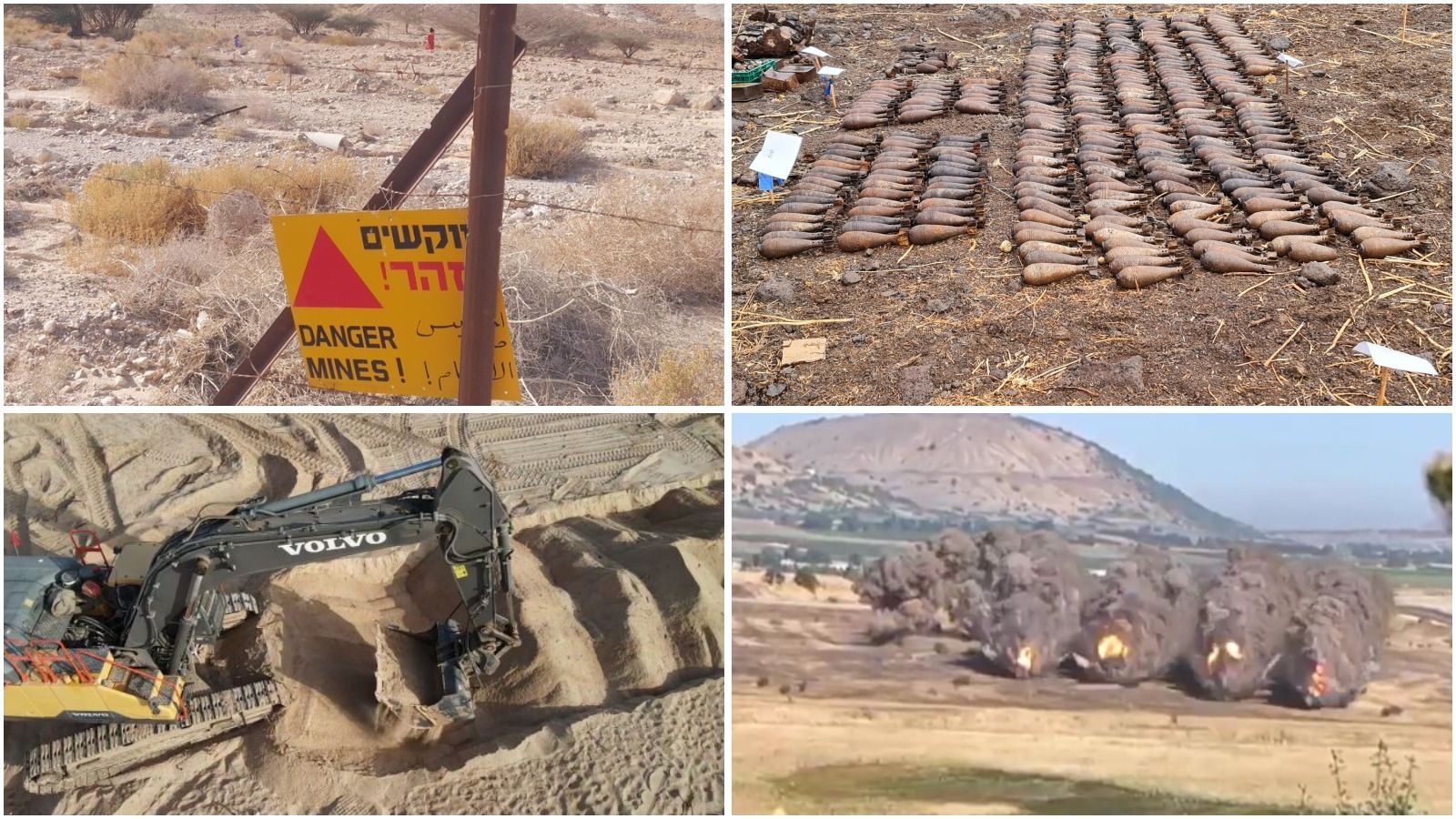
Mine clearance and controlled detonation
Mine clearance and controlled detonation (Photo: Arava Rescue Unit/National Mine Action Authority, Ministry of Defense/Ministry of Defense Spokesperson's Unit)

Who invented the landmine?

The first prototypes and modern landmines developed through several key stages over the centuries:

Ancient China (13th and 14th centuries): The first known use of underground mines based on gunpowder was recorded in China. Booby-trapped iron bombs were buried in the ground to strike invaders by complete surprise, with no means of detection available at the time.

Immanuel Nobel (mid-19th century): The father of Alfred Nobel (inventor of dynamite) developed early naval and land mines activated by pressure for the Russian army during the Crimean War. These combined explosives with a container that was not thrown through the air but hidden deep beneath the ground surface.

Gabriel J. Raines (1862): A Confederate general during the American Civil War, credited with inventing the first modern mechanical landmine operated by a trigger and pressure mechanism (he called them "land torpedoes"). Their primary purpose was to disrupt enemy troop movement on the battlefield and halt their advance, as commanders feared their soldiers would be sent to the next world against their will.

Imperial Germany (1912): In the lead-up to World War I, Germany refined the invention and created the first industrial anti-personnel mines, which were quickly copied by other armies worldwide. This mine became a harbinger of doom and entered popular culture and films, with the "click" sound of stepping on and arming it described as "the sound no one wants to hear, and if G-d forbid you hear it, it will likely be the last thing you hear in your life."

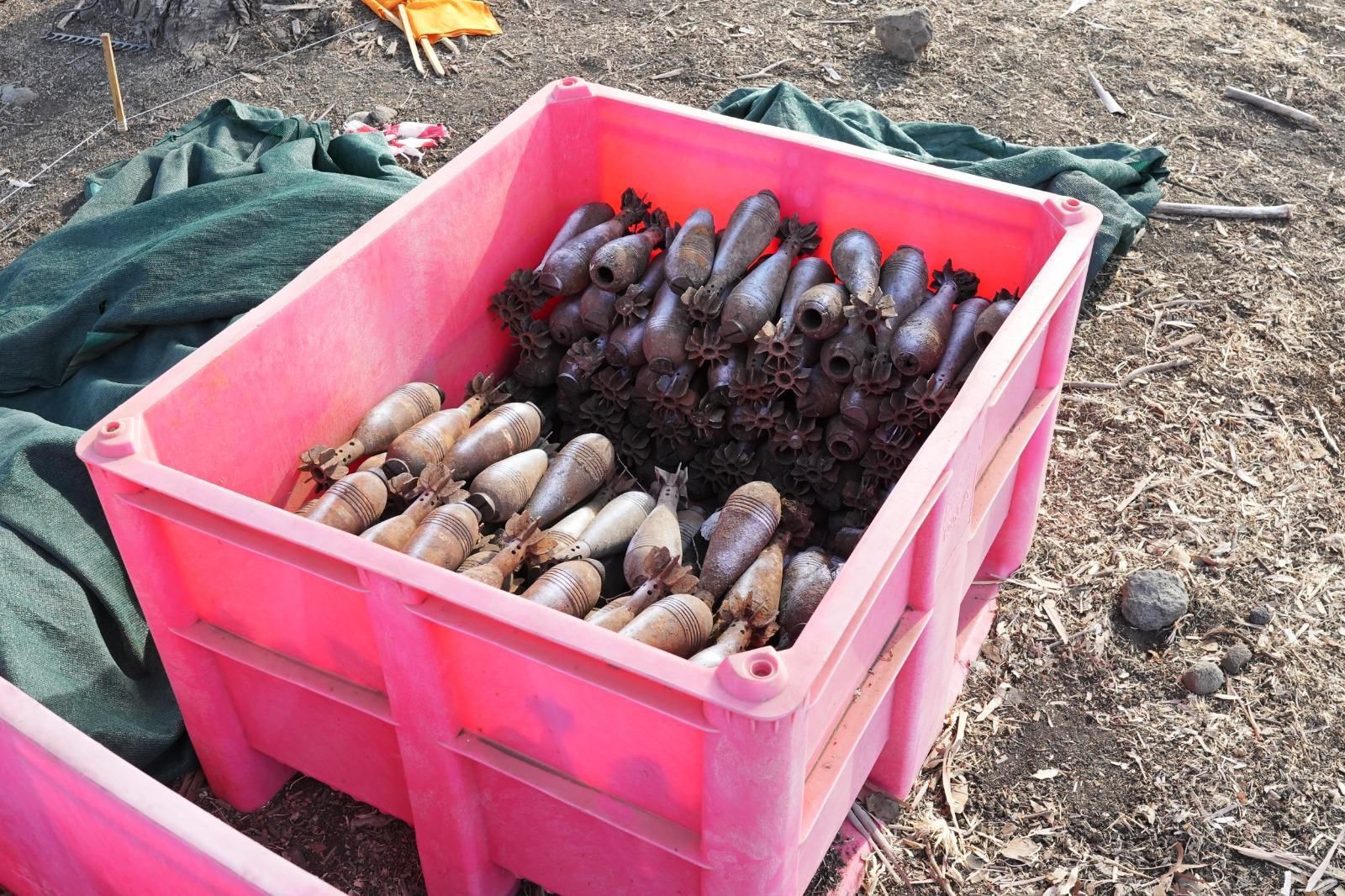
Landmines discovered in the field
Landmines discovered in the field (Photo: Ministry of Defense Public Relations Unit)

Why are landmines so dangerous?

The primary danger of landmines stems not only from the immediate blast force, but from the inherent and unique characteristics of this concealed and indiscriminate weapon:

Indiscriminate weapon: A landmine cannot distinguish between the boot of an enemy soldier, the wheel of an ambulance, or the bare foot of a child running through a field. It is triggered automatically by anything that applies direct pressure or jostles it too forcefully.

Long-term damage (they never expire): Wars end, soldiers return home, but landmines remain active in the ground for decades afterward. Millions of "dormant" mines are scattered across the world (with the vast majority in the Golan Heights area of Israel), continuing to injure and kill civilians long after peace agreements are signed.

Designed to maim, not kill: Anti-personnel mines deliberately contain less explosive material than other bombs, with the aim of severing limbs and causing severe disability rather than death. The cruel military logic behind this is to create a heavy logistical, medical and psychological burden on the enemy's hospitals dealing with multiple casualties, making it harder to continue fighting as before.

Extreme difficulty in detection and neutralization: Many modern mines are made of plastic (not metal), making them very difficult to detect with standard metal detectors. Clearing minefields is a slow, expensive and terrifyingly dangerous process.

Economic and humanitarian impact: The presence of minefields renders vast agricultural areas unusable, prevents infrastructure development, and leaves entire regions in prolonged poverty.

For all these reasons, the Ottawa Treaty (the International Convention on the Prohibition of Anti-Personnel Mines) was signed in 1997, with more than 160 countries as signatories. However, several states and terror organizations still refuse to abandon the mine, which has become a sought-after weapon on the black market because of them.


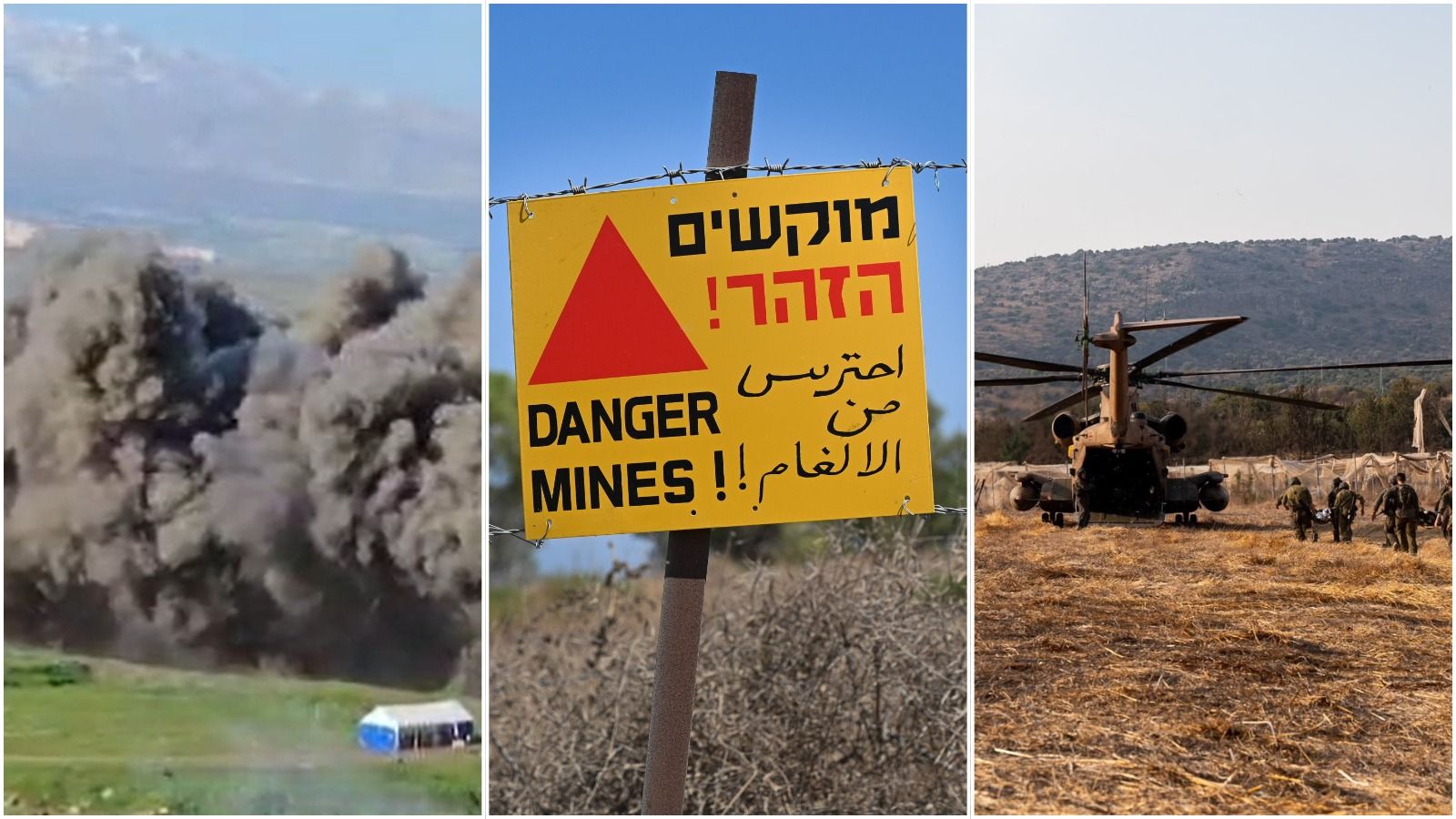
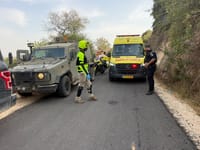
Minefield detonation and evacuation of casualties from the Galilee
Minefield detonation and evacuation of casualties from the Galilee (Photo: National Mine Action Authority Spokesperson, Michael Giladi/Flash90, IDF Spokesperson)

The danger in our own backyard

The landmine issue is not just a distant humanitarian problem overseas. It is tangibly present in Israel as well, with the Golan Heights considered one of the most heavily mined areas in the world. Tens of thousands of anti-personnel and anti-tank mines are scattered across its soil, including old Syrian mines and mines laid by the IDF over the years.

Although the National Mine Action Authority (NMAA) in the Ministry of Defense operates consistently to clear minefields for agriculture, tourism and settlement development, only a very small portion of the mined areas has been cleared to date. The slow and complex process, alongside the dangers of soil erosion in winter that moves mines from their marked locations, leaves vast areas of the Golan fenced off and blocked with barbed wire and yellow signs warning of real mortal danger.

No less lethal than a deliberately planted mine is unexploded ordnance—bomb fragments buried in the ground in areas that are not firing zones or training ranges ahead of war, which can pose a significant danger to civilian populations. This is the random weapon known as "the silent killer," and the terrible tragedy in the Galilee once again demonstrates how deadly its impact is, demanding personal and public vigilance and responsibility at every step.

Ready for more?

Join our newsletter to receive updates on new articles and exclusive content.

We respect your privacy and will never share your information.

Enjoyed this article?

Yes
No
Follow Us:

Unmissable content


Loading comments...

Also of Interest