The phrase "running for President", or in Israel's case, "running for Prime Minister" or "running for the Knesset", has become a standard expression in public discourse, but it is borrowed from English and has its roots in early 19th-century America. While in Hebrew and in today's media the phrase "running for office" feels entirely natural, the original use of this athletic metaphor represents a distinct political outlook that developed in the United States and set it apart from European tradition.
You didn't know this
Why politicians "run" for office
How elections shifted from standing to running, and what Forrest Gump and Looney Tunes have to do with it

A historic shift
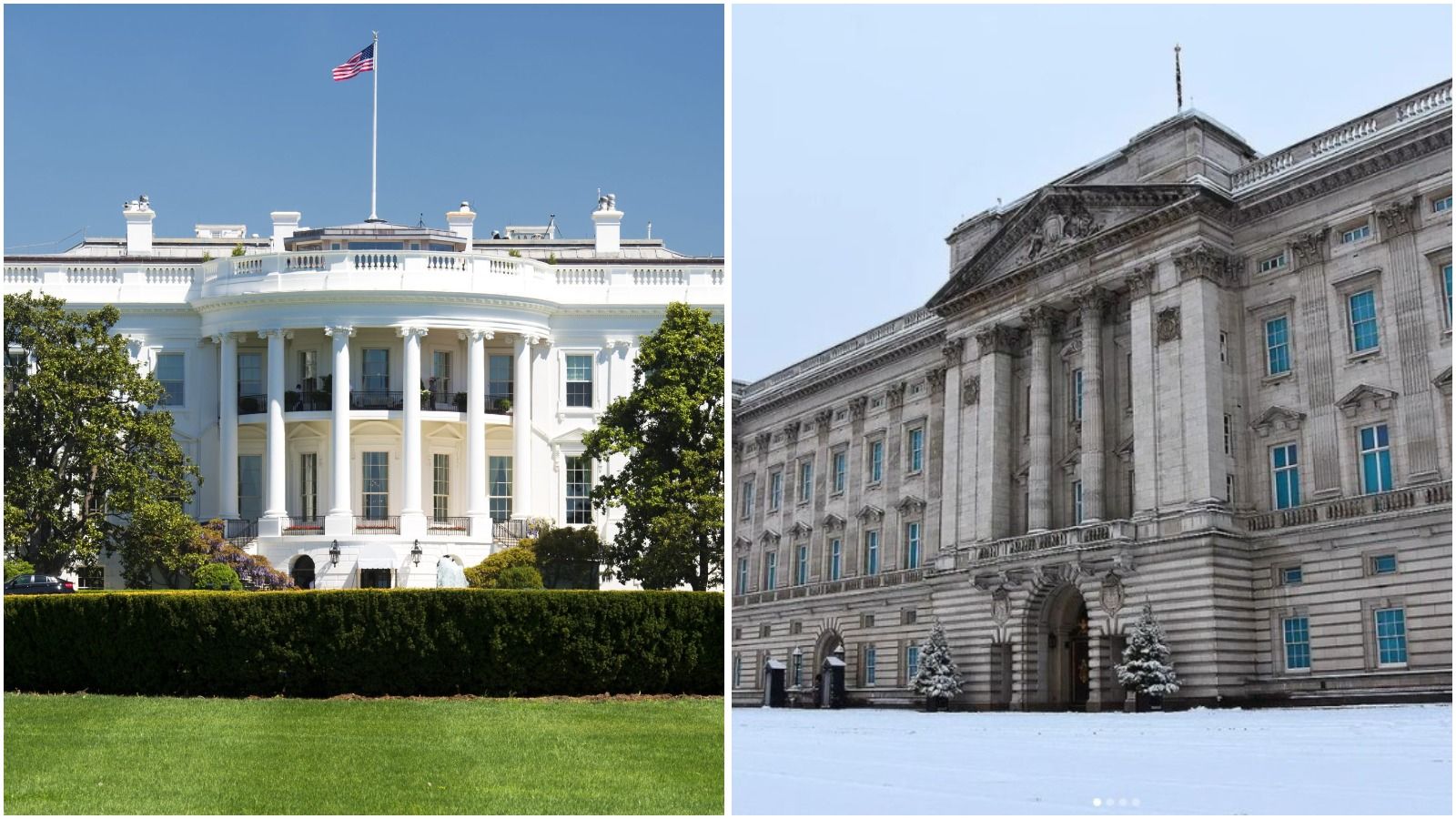
In the political tradition of Britain, as well as in French and German, candidates do not "run" for office but "stand" for election. This reflected the old aristocracy, in which the candidate was seen as a static, dignified figure presenting himself to the public.
By contrast, as democracy developed in the United States in the 19th century, elections became more competitive and aggressive. Candidates were required to travel between cities, deliver speeches to large audiences, and court voters on a tight schedule. The demand for mobility and activism led to the abandonment of the term "standing" in a political context and in describing a poor position in the polls, and the adoption of "run for office," which as a direct result changed the name of the political process itself to a race.
Reflection in culture
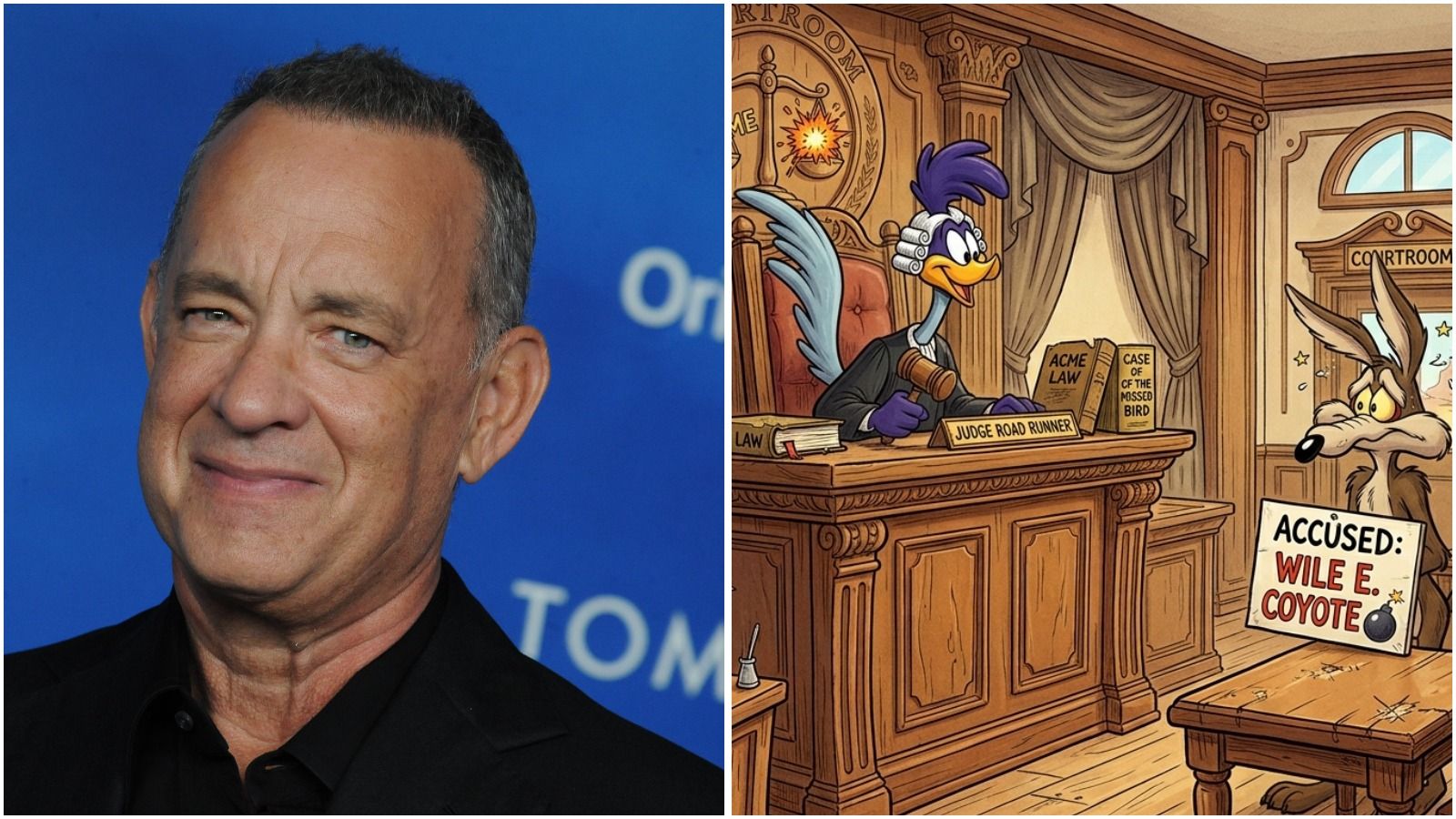
The use of the term "running" gained wide resonance in American popular culture, which gave it a critical and humorous interpretation. In the film "Forrest Gump," the hero's prolonged run (played by the talented actor Tom Hanks, who won an Oscar for the role) and the crowds joining him without purpose until his sudden stop serves as a parable for parties and movements that follow a leader blindly and without explanation. At the same time, in the "Looney Tunes" animated shorts, the endless chase of Wile E. Coyote after the Road Runner presented repeated, frantic, and illogical attempts to achieve an elusive goal with failure known in advance, as an allegory for serial political candidacies that do not stop until the coveted goal is achieved.

Israeli Americanization
The phrase "running" in a political context entered the Hebrew language with the development of the political system in the Land of Israel, even before the swearing-in of the first government in Israel.
As a result of the broad influence of American culture, Hebrew adopted the colloquial image heard in the streets and markets more than the formal, dignified term "to compete in elections."
Today, the phrases "running for the Knesset" and "running for prime minister" serve as an integral part of political and media discourse in Israel, and express the competitive and fast-paced nature of the electoral system.