Get our mobile app
Download on the App StoreGet it on Google Play

The library that survived the Holocaust in Soviet captivity

Chabad's decades-long fight for its library

In 1915, the fifth Lubavitcher Rebbe hid his entire collection in Moscow to save it from the Germans. The Soviets seized it, the Nazis never reached it, and three Russian presidents refused to return it. The inside story of a diplomatic battle that enlisted a hundred US senators, twice.

How Chabad Rescued 12,000 Rare Books From the Nazis — Then Spent Decades Fighting Putin to Get Them Back

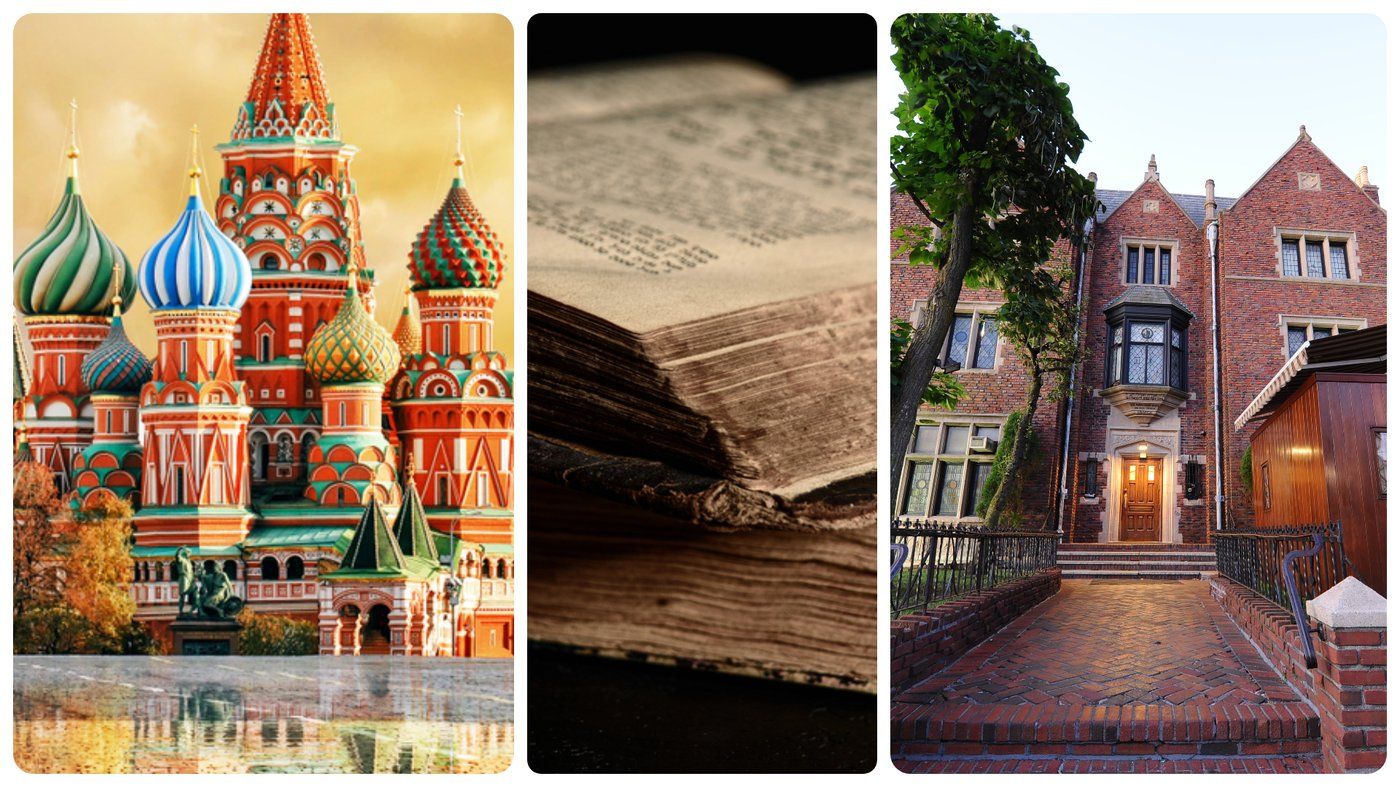
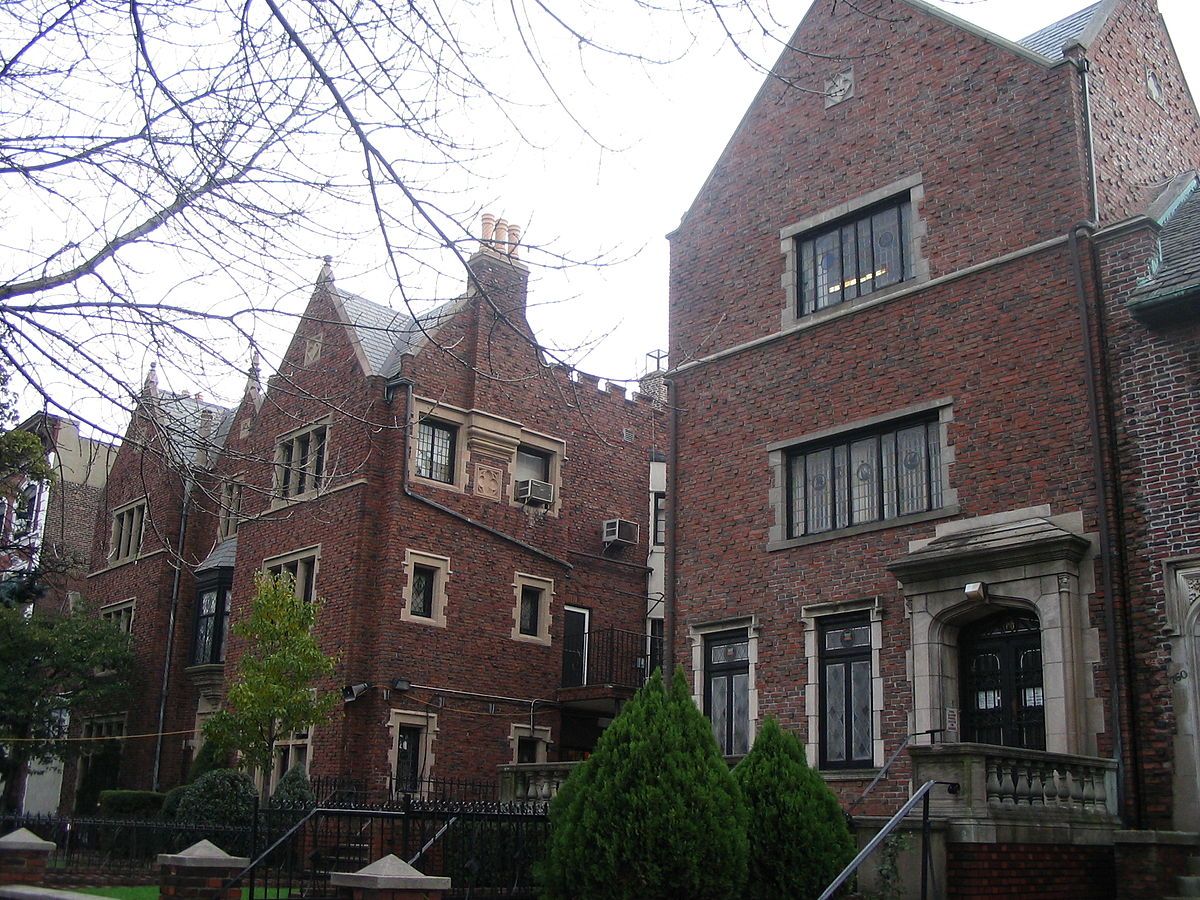
Visitors to 770 Eastern Parkway, the Chabad headquarters in Crown Heights, often see the rare manuscripts and centuries-old texts on display. Few know the story behind them: a century-long operation spanning two world wars, three Russian presidents, and a federal lawsuit that nearly triggered a diplomatic crisis.

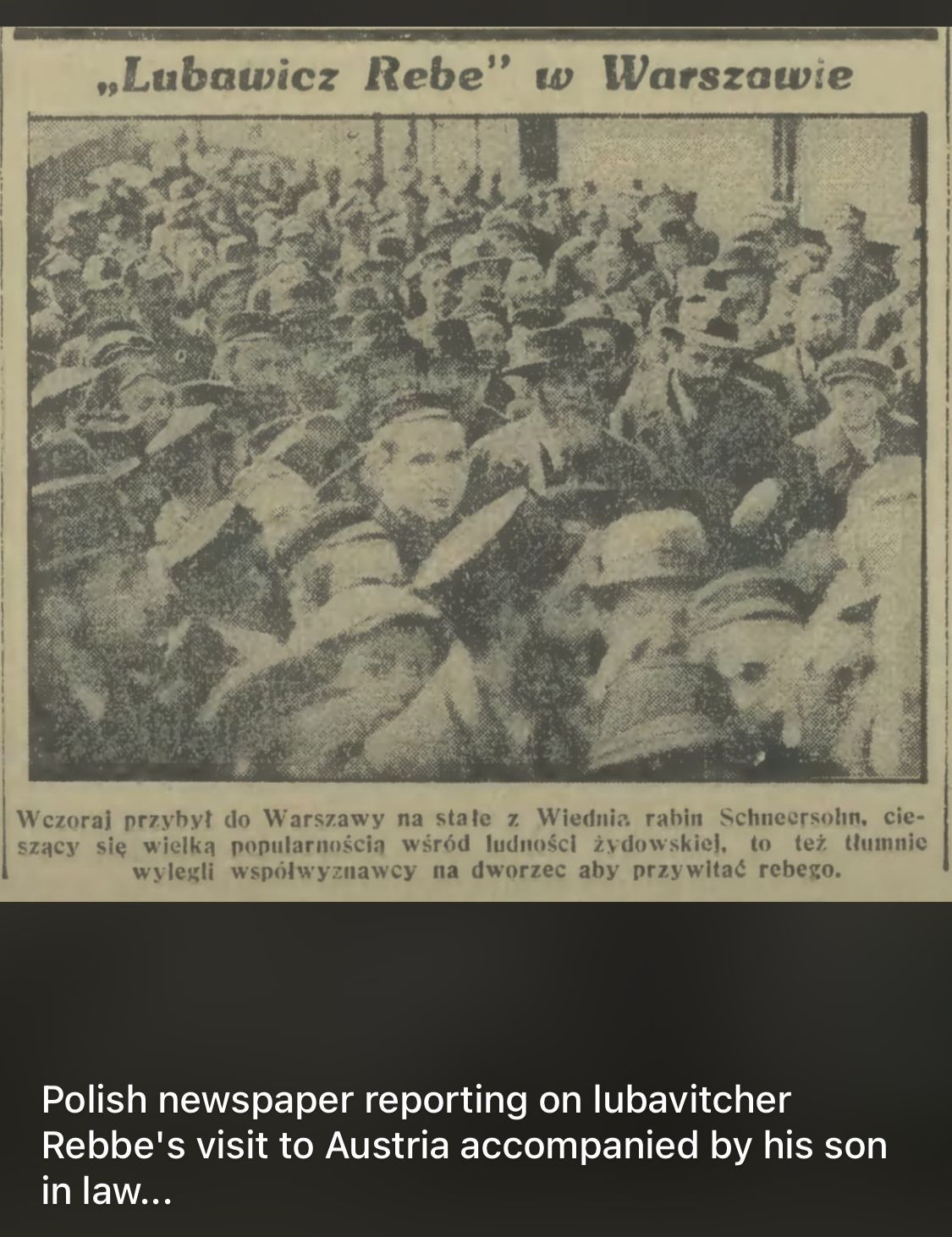
In the summer of 1915, with the German army advancing toward the town of Lubavitch during the First World War, the fifth Lubavitcher Rebbe, Rabbi Shalom Dov Ber Schneersohn (the Rebbe Rashab) zt"l, faced an impossible choice. He had to evacuate the historic centre of Chabad to Rostov in southern Russia, and with it an irreplaceable treasure: some 12,000 rare books and tens of thousands of pages of manuscripts, notebooks and letters, accumulated over five generations of the chassidus. The collection was the spiritual heart of the dynasty.
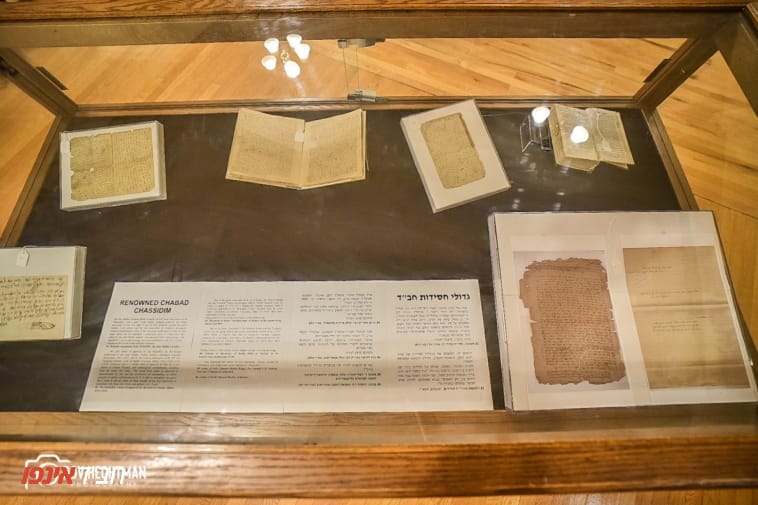
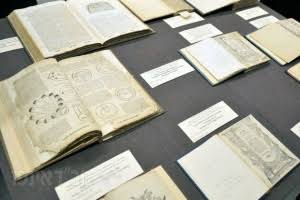
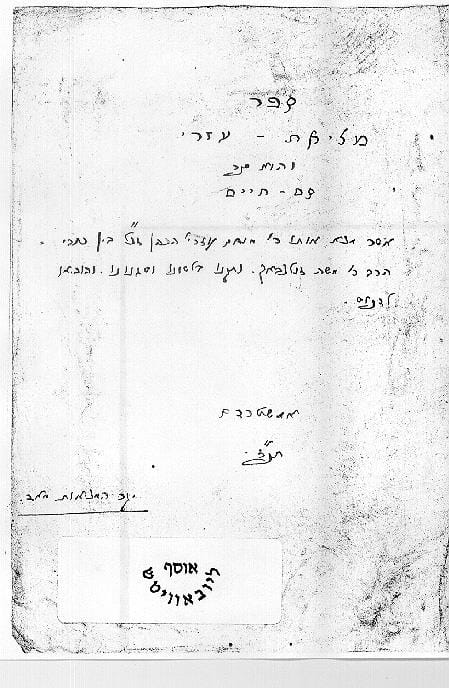
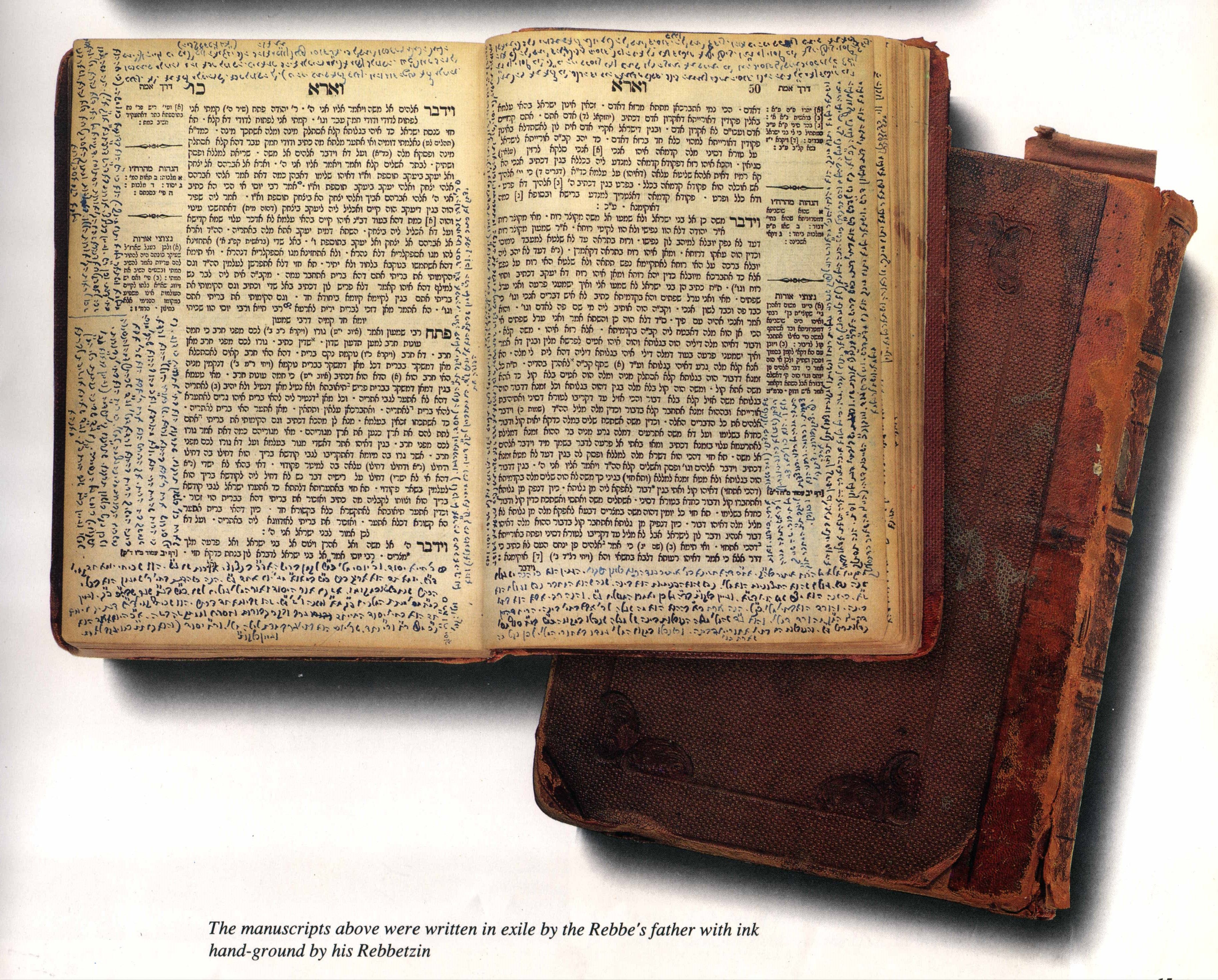
Some of the manuscripts
Part of the collection

The roads were broken and the collection too heavy to move. The Rebbe Rashab made a fateful decision: to deposit the entire library in a warehouse in Moscow, hoping it would be a temporary refuge until the fighting ended. At the time, the decision felt like tearing the soul from the chassidus. In hindsight, it saved the collection from the flames of the Holocaust.

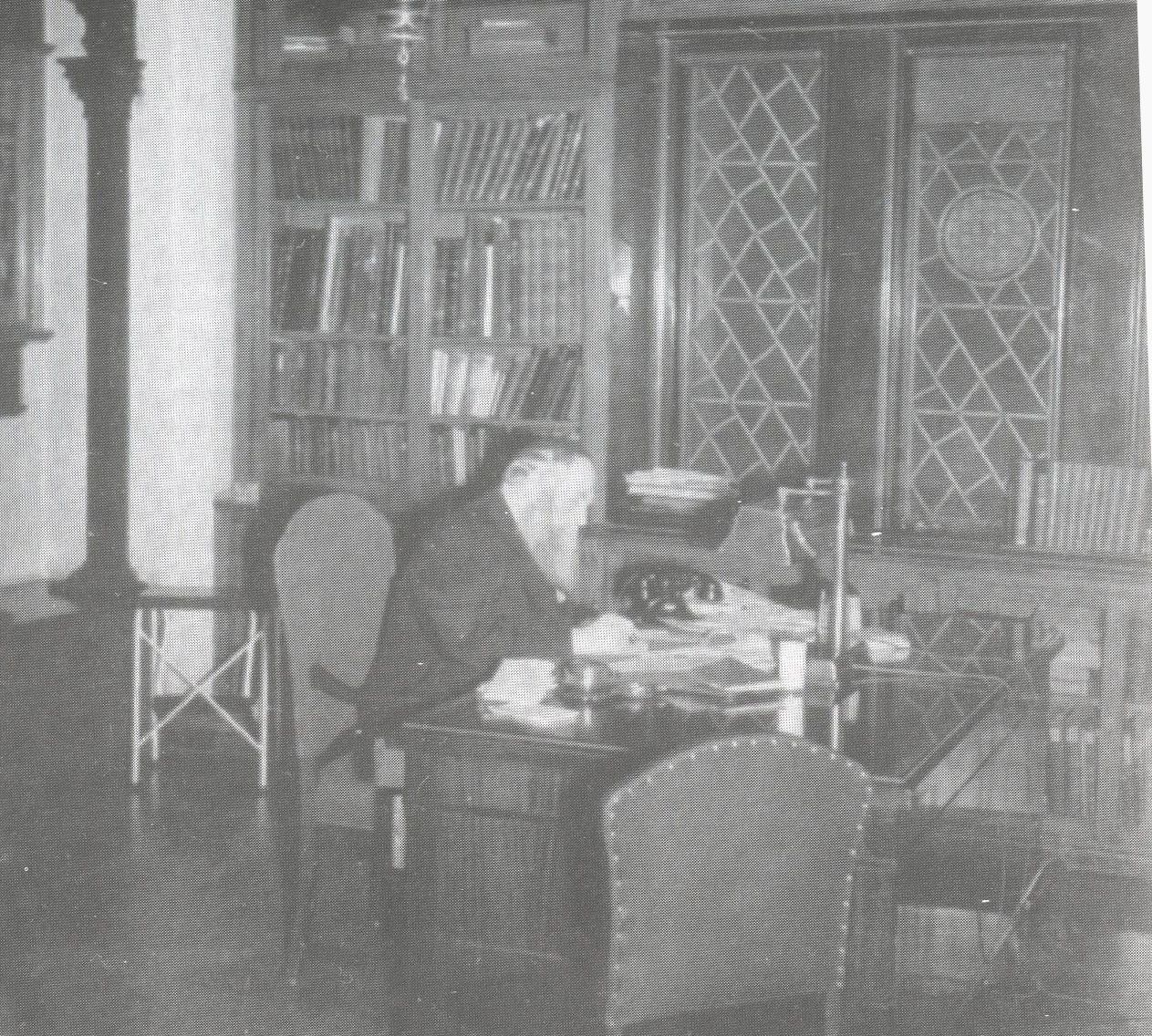
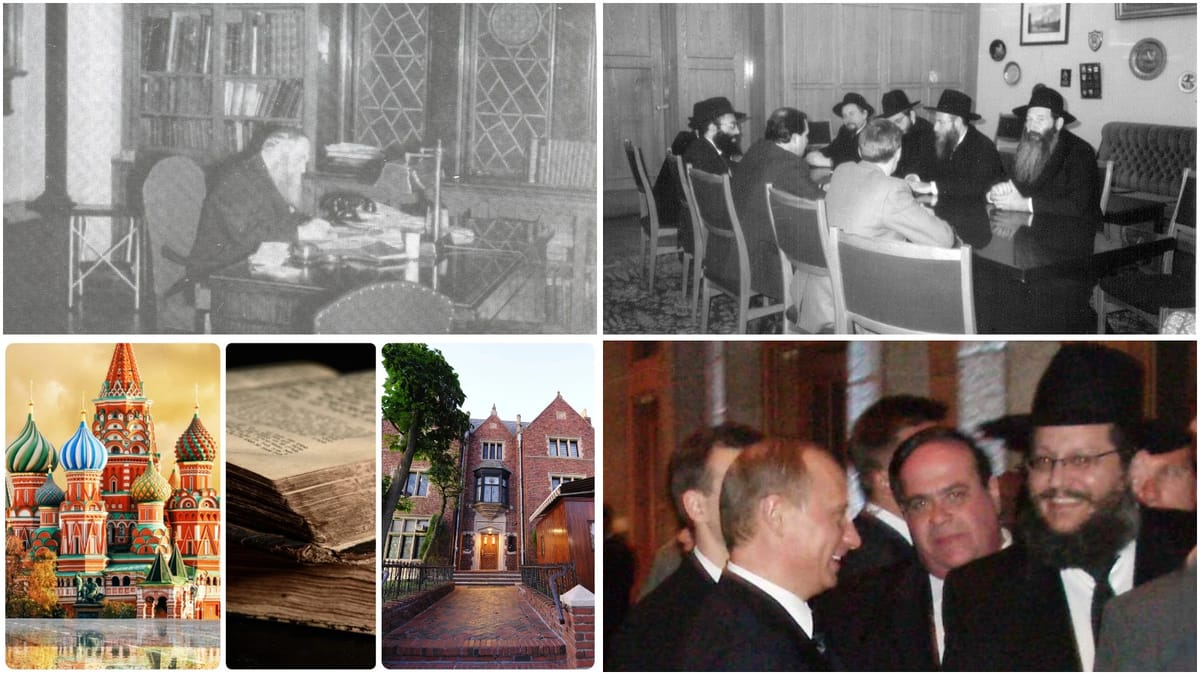
The Rebbe Rayatz in his study

What the collection contains

To understand the scale of what was at stake, you need to know what was in the warehouse. The original collection includes thousands of rare books, ancient manuscripts, notebooks and letters preserved with meticulous care by the Chabad Rebbes over five generations — from the Alter Rebbe, author of the Tanya and the Shulchan Aruch HaRav, through to the First World War. It represents centuries of Torah scholarship, chassidic thought, halachic rulings and Kabbalah, considered by Chabad chassidim an inseparable part of the living spirit of the dynasty.

When the Communists seized the books

Shortly after the books were deposited in Moscow on the assumption they would be safe, a political storm broke: the October Revolution erupted, and the Soviet regime came to power with a militantly anti-religious ideology.

The new government saw religious institutions and holy books as a threat to be eradicated. The Chabad collection was nationalised in one stroke and swallowed deep into the cellars of the State Library of Russia (the Lenin Library) and secret government archives. The books became invisible hostages, while Chabad chassidim and their Rebbes tried repeatedly, without success, to ransom or smuggle them out of the regime's grip.

The geography of a miracle: where the books were during the Holocaust

A few years after the nationalisation, the Jewish people were struck by the greatest tragedy in its history, the Holocaust. It was here that the full meaning of that forced separation between the books and the chassidic court became clear.

Geographically, throughout the Second World War the collection remained in the heart of Moscow, in the protected underground vaults of the State Library. When Nazi Germany invaded the Soviet Union in the summer of 1941 as part of Operation Barbarossa, vast territories of Eastern Europe were turned to ruins; entire communities were wiped out, along with enormous libraries and magnificent study halls. The Nazi advance was halted only at the gates of Moscow, the city was heavily bombed but never captured.

The collection's location in the architectural belly of the Soviet capital turned the vaults into a kind of Noah's ark. While the other great libraries of European Jewry (including parts of Chabad libraries that had remained in Poland) were destroyed to the last volume, the Moscow collection survived intact thanks to one dry fact: it was locked in the right place at the right time, far beyond the reach of the Nazis. Paradoxically, the Communist regime, whose confiscation had initially seemed a disaster, unwittingly served as the guardian of the historic treasure and prevented its annihilation.

On the Rebbe's mission, facing the superpowers

To understand the battle for the collection, Rabbi Yosef Yitzchak Aharonov, chairman of Agudas Chassidei Chabad in Israel, emphasises that he was part of the special delegation the Lubavitcher Rebbe zt"l sent in the early 1990s with the mission of extracting the books from the Russians.

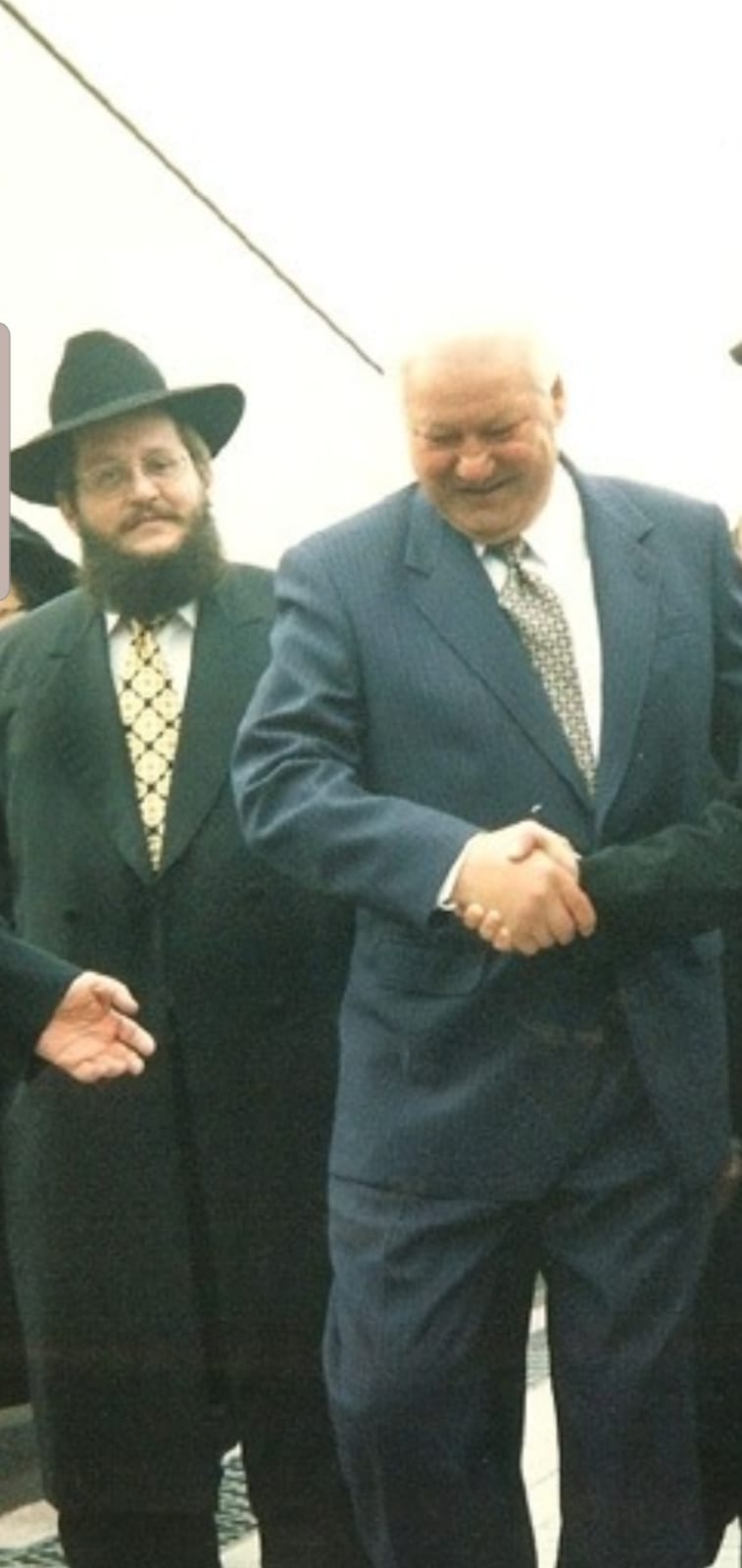
"You have to remember that Russia is a superpower of hundreds of millions of citizens, and in their terms we came with a tiny demand," Rabbi Aharonov notes. "But we, as the Rebbe's emissaries, went straight to the highest levels. We met with three Russian presidents, Gorbachev, Yeltsin and Putin, as well as ministers and senior officials. They all sat with us, understood this was the Rebbe's demand, and grasped that we would not let go of the mission."

With a former Russian president

"When they understood that, they proposed various arrangements, for example, that the books would leave for the United States as part of a temporary exhibition, be displayed in the Rebbe's library, and 'remain' there in practice. But the Rebbe rejected this completely. He ruled unequivocally that the books of our Rebbes belong to Chabad chassidus, and forbade agreeing to any arrangement that did not return them in full to their lawful owners."

"When you examine the diplomatic activity," Rabbi Aharonov adds, "you have to appreciate its extraordinary scope. In the US Senate, for instance, a rare achievement was recorded: on three separate occasions, all one hundred senators signed, unanimously, an official appeal to the Russian president demanding the return of the books to the Rebbe.

"In 1992 (5752) there were a hundred senators; in 2005 (5765) it was a largely different composition; and in 2017 (5777) the composition changed again. Apart from a few who served longer terms, we are talking about hundreds of different individuals who united around the goal. Who is capable of producing such a diplomatic move? Only the Rebbe's power.

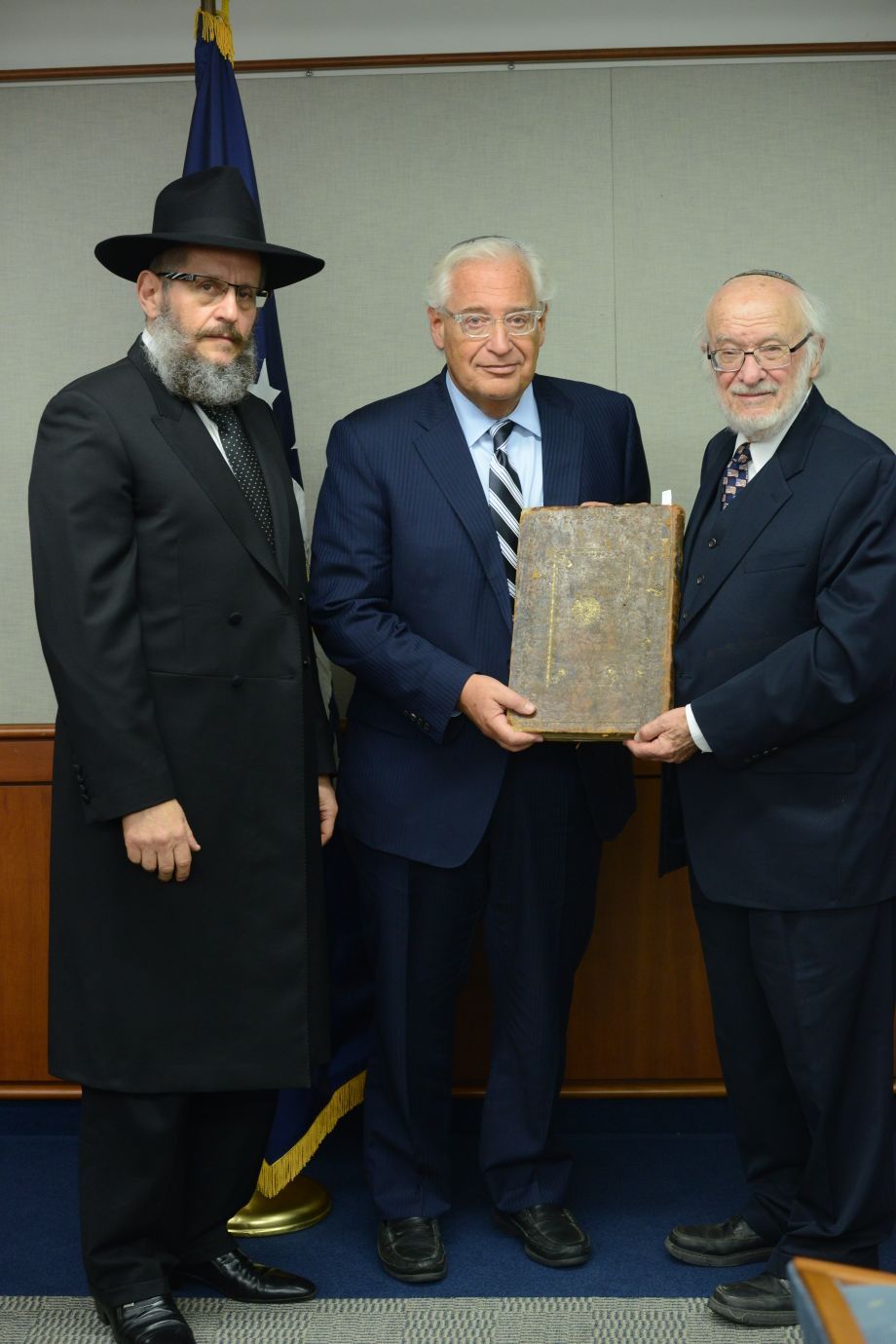
"Thanks to this pressure, Moscow understood how much the issue mattered to the United States. During the Clinton administration, when Vice President Al Gore visited the Lenin Library, the Russians gave him a copy of the Tanya from the collection, a unique volume from which the Rebbe Rayatz had studied, originally presented to him by students of the Tomchei Temimim yeshiva in Lubavitch during his father's lifetime, with a personal dedication.

"The moment his plane took off from Russia, the Vice President called to report that the book was in his hands. It was an enormous nachas ruach for the Rebbe when the book reached him, and a first step toward the overall goal."

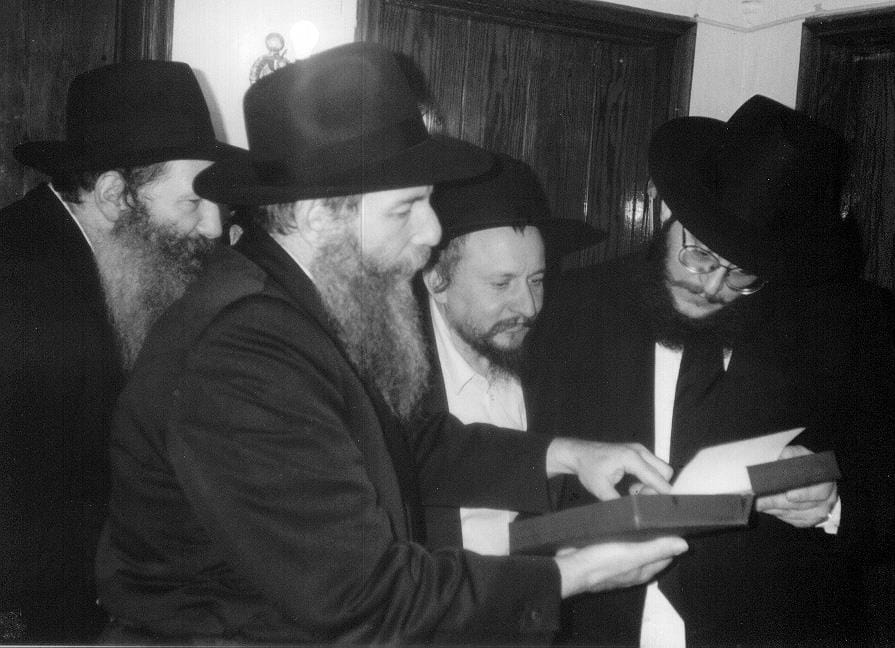
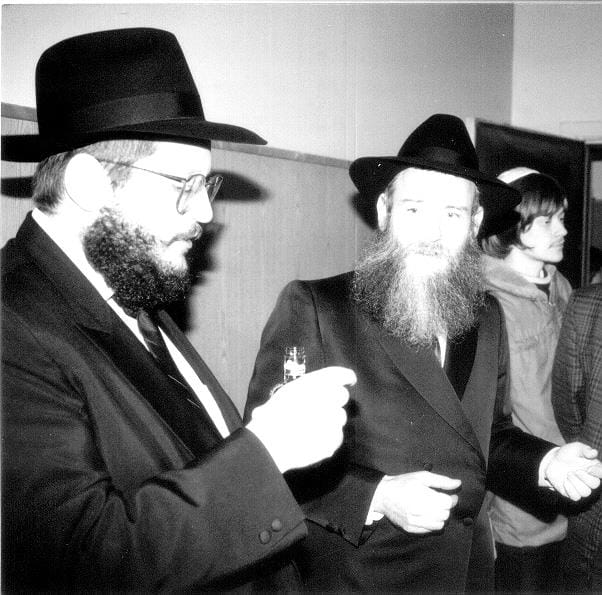
Before entering the Lubavitcher Rebbe's study with the rescued books

The lawsuit, Russian refusal, and the affair of the seven books

After all diplomatic channels were exhausted and dialogue reached a dead end, Chabad, on the Rebbe's instruction, turned to the federal court in Washington with a lawsuit to compel the Russian government to return the collection.

Russia initially hired one of the leading law firms in the United States, but once it understood the legal trend was not in its favour, it withdrew from the proceedings and cooperated only partially, raising a claim of lack of international jurisdiction. Eventually the American court ruled that the collection belongs to Chabad by law, ordered the Russian government to return it, and imposed a fine of $50,000 for every day of delay. Chabad emphasised that the battle was not financial but a matter of principle and spirit, in the category of "redeeming captives".

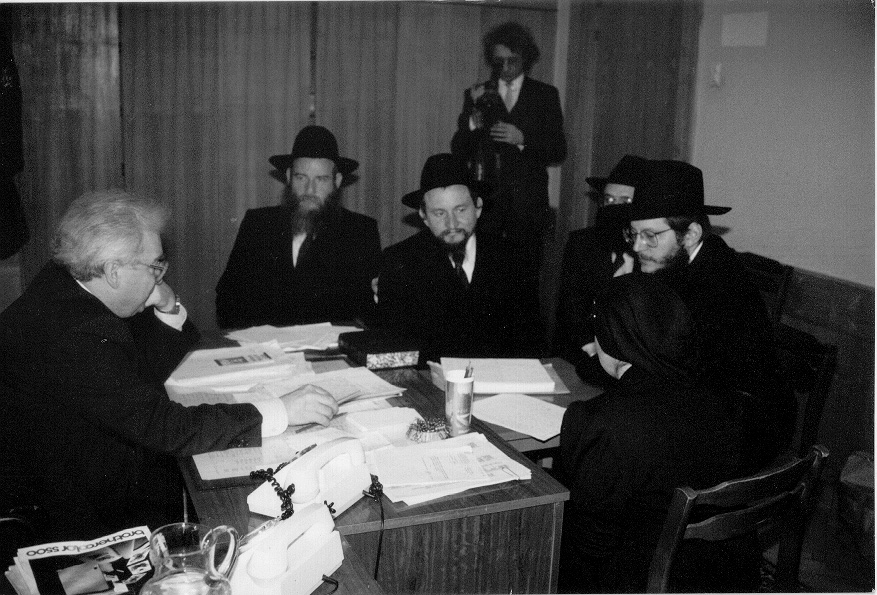
With the legal team
With the legal team

In parallel, an affair erupted around seven valuable volumes from the collection. As part of a cultural cooperation, the Russians lent a series of items for temporary display at the Library of Congress in Washington, including these seven books, under a commitment to return them at the end of the exhibition.

But once they landed on American soil, Chabad turned to the courts demanding they be seized and transferred to its possession as part of enforcing the federal judgment. The court granted the request, and the books were transferred to the movement.

The move provoked fury in Moscow: the Russian judicial system responded with a counter-ruling that ordered the Library of Congress to return the items immediately, and even imposed an identical fine of $50,000 per day. The incident ignited a diplomatic crisis so severe that official bodies and government vessels avoided docking at certain ports for fear of reciprocal seizures.

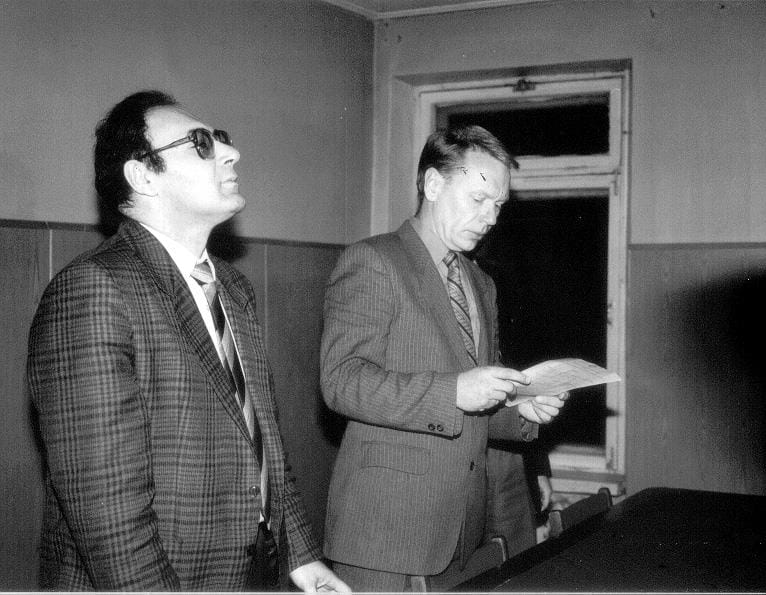
Reading the court ruling

The secret Helsinki conference and Putin's compromise

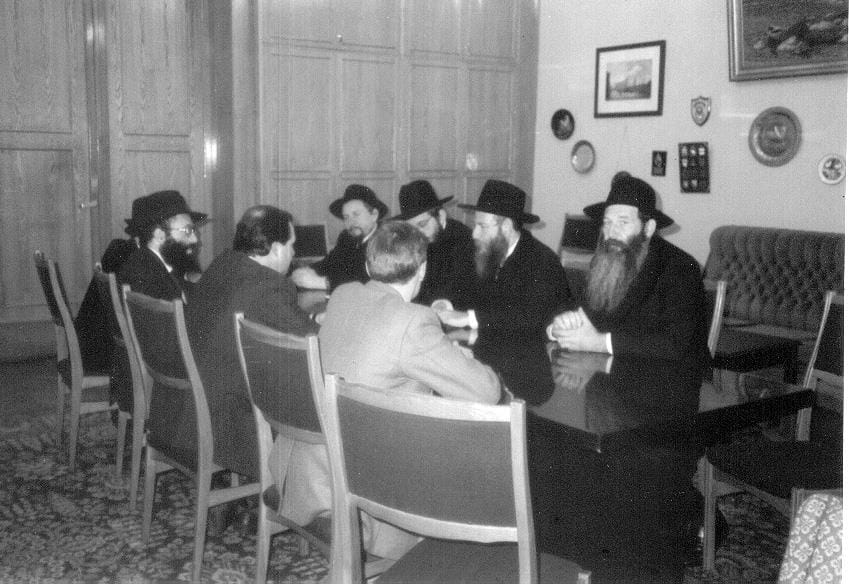
Against the background of the legal pressures, secret contacts were conducted, culminating in a meeting in Helsinki, Finland. Chabad representatives arrived there on private planes, the movement's lawyers and Rabbis Levin, Aharonov and Kunin, alongside influential figures including Rabbi Yehuda Krinsky, businessman Ronald Lauder and oligarch Mikhail Friedman (as Putin's emissary). At the end of the conference, an agreement in principle was reached on the return of the books in an official ceremony.

But shortly afterwards, President Vladimir Putin changed his position: he came to the Jewish Museum and Tolerance Centre in Moscow and declared that the books would be transferred there and displayed to the public under government supervision and Russian sovereignty. From Chabad's perspective, this was an unacceptable solution, since the Rebbe's position remained uncompromising: the full return of the collection to its natural home in the Chabad library in New York.

Meeting with Putin
Meeting with Putin
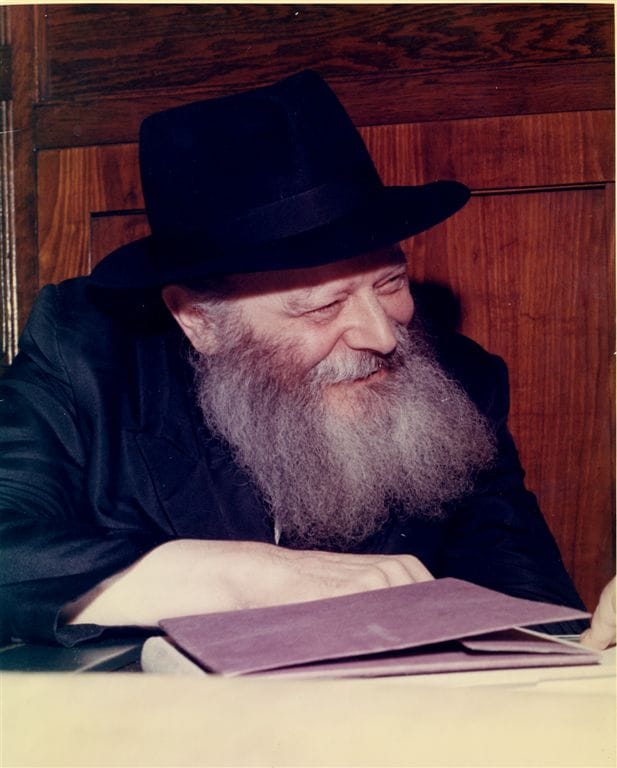
The Lubavitcher Rebbe in his study

Looking ahead: holding to the mission

The campaign continues today at full strength. Alongside punitive measures that elements in Russia are trying to advance against key activists, Chabad continues to apply legal and international pressure in various arenas.

Reflecting on Rabbi Aharonov's words illustrates the weight of the Rebbe's instruction: the delegation members, senior figures in the movement, left their homes and families for nearly two years, stayed on Soviet soil and worked with complete devotion to fulfil the mission.

Rabbi Aharonov concludes with deep faith: "Anyone on the Rebbe's mission sees siyata d'Shmaya at every step. Alongside difficulties and obstacles that constantly arise from within and without, Chabad's work breaks records. Where others would have broken, among chassidim the approach is 'we will do and we will hear'. Every shaliach will tell you: the Rebbe's instructions stand forever."

Ready for more?

Join our newsletter to receive updates on new articles and exclusive content.

We respect your privacy and will never share your information.

Enjoyed this article?

Yes
No
Follow Us:

Unmissable content


Loading comments...

Also of Interest