Get our mobile app
Download on the App StoreGet it on Google Play

Putin's sower

Russian spy: 'I toppled Austria's leader'

Fugitive businessman Jan Marsalek boasted in secret messages that his network obtained a phone belonging to a close aide of Sebastian Kurz, Austria's former chancellor, and that the messages found on it ended Kurz's career

Russian Spy Claims: 'I Brought Down Austria's chancellor'

An unusual intelligence affair has surfaced in Europe: Jan Marsalek, a former senior executive at the German payments company Wirecard who fled to Russia and is suspected of running a spy network for Russian intelligence services, boasted in secret messages that his network succeeded in bringing down Austria's former chancellor Sebastian Kurz.

According to a report in the British Telegraph, Marsalek claimed the operation was carried out by obtaining the mobile phone of one of the people closest to the chancellor, which contained incriminating correspondence.

The messages were uncovered as part of Austrian investigative materials obtained by the British newspaper. They were sent in October 2021 to Orlin Roussev, who headed a Bulgarian spy ring operating from Britain on behalf of Russia. In them, Marsalek wrote: "We managed to bring down" the former chancellor.

Later in the message, Marsalek explained how the operation was allegedly carried out: by seizing the mobile phone of the man who ran the secret financing of Kurz's political campaign. Marsalek also referred to correspondence found on the device, writing that "the rest of the chats finished off the chancellor."
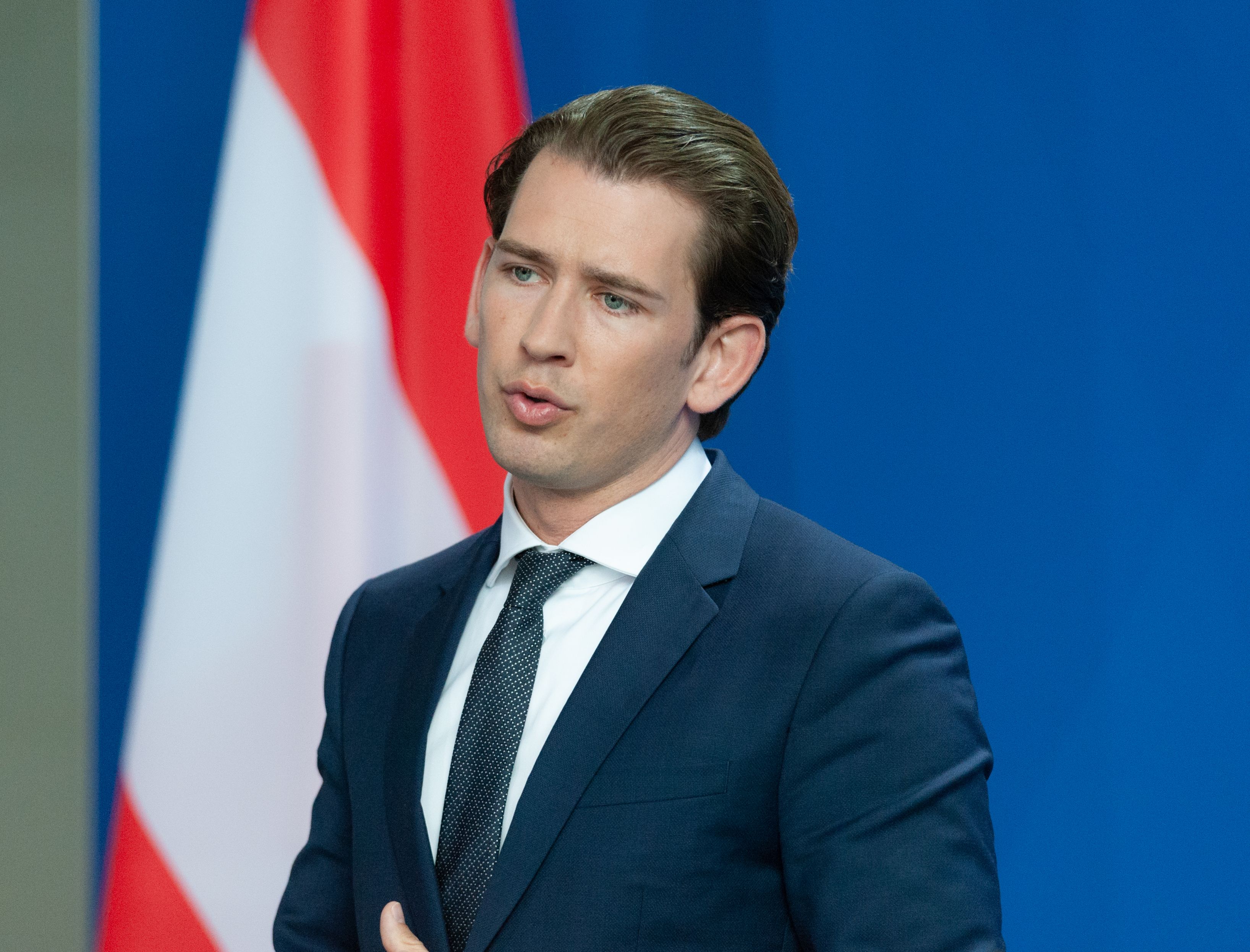
Sebastian Kurz, who served as Austria's chancellor
Sebastian Kurz, who served as Austria's chancellor (Photo: Shutterstock)

The man Marsalek referred to is Thomas Schmid, a close associate of Kurz and formerly a senior official in the Austrian Finance Ministry. His phone was seized in November 2019, and a large volume of correspondence found on it later became central evidence in investigations that triggered a political storm in Austria.

The crisis reached its peak in October 2021. On 6 October, Austrian prosecutors raided the chancellor's office, the Finance Ministry and the headquarters of the Austrian People's Party, as part of an investigation into suspicions of using public funds to finance opinion polls and media publications designed to present Kurz in a positive light.

The investigation dealt, among other things, with suspicions of financing publications and polls intended to advance the chancellor's political standing. Following public pressure and the investigation, Kurz announced his resignation as chancellor on 9 October 2021. He denied the allegations against him.

Kurz, who became Austria's chancellor in 2017 at just 31 years old, was at the time the youngest leader in the world. He served in the role during two separate periods, and his political career ended against the backdrop of the corruption affair and suspicions concerning the conduct of those around him.

But the newly revealed messages now raise a far more troubling question: was there also involvement by a Russian spy network behind the information that led to the political crisis in Austria?

In further correspondence with Roussev, Marsalek again claimed that the correspondence found on the phone was what finished him off the chancellor politically.

Marsalek is a central figure in an international espionage affair. He was one of the senior executives at the German company Wirecard, whose collapse in 2020 exposed massive financial fraud on a scale of billions of euros. After the company's collapse he fled Europe, and according to investigative findings and press reports he reached Russia, where he allegedly worked for Russian intelligence services.

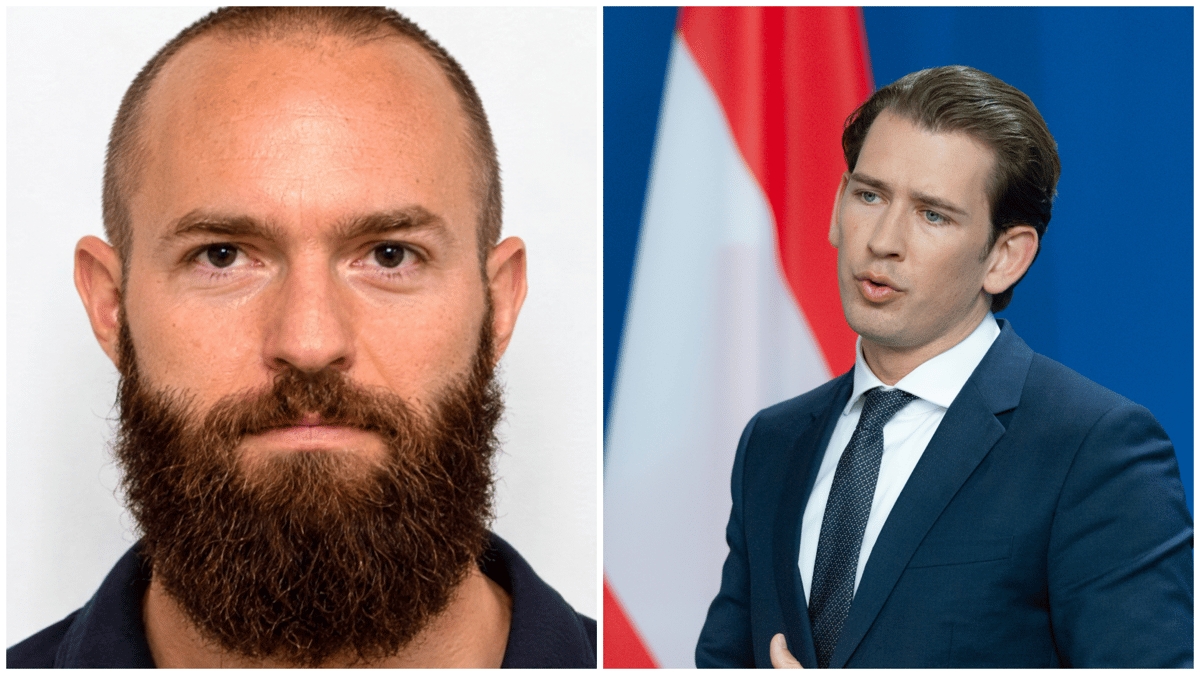
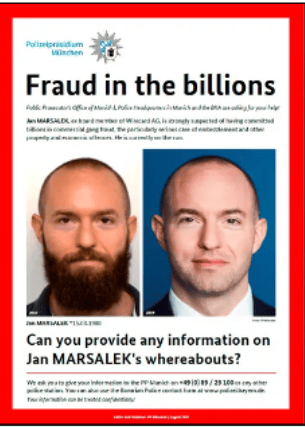
An official wanted poster issued by Munich police in Germany as part of the search for Jan Marsalek, a senior executive at Wirecard who fled the country. It shows two photographs of him: one with a thick beard and one clean-shaven. The aim is to allow the public to identify him even if he has altered his appearance.

At the same time, he maintained contacts with Orlin Roussev, who ran a network of Bulgarian agents in Britain and Europe. Members of the network engaged in gathering information, surveillance of Kremlin opponents and investigative journalists, and other intelligence operations. Members of the network were convicted in Britain of espionage offences, and Roussev was sentenced to ten years and eight months in prison.

The correspondence between Marsalek and Roussev, which ran to hundreds of thousands of messages, was seized by British police following Roussev's arrest in 2023. Some of the materials were transferred to authorities in Austria, where an investigation continues into suspicions of passing sensitive information to Russian elements and interference in Austrian politics.

The investigation in Austria is ongoing.

Ready for more?

Join our newsletter to receive updates on new articles and exclusive content.

We respect your privacy and will never share your information.

Enjoyed this article?

Yes
No
Follow Us:

Unmissable content


Loading comments...

Also of Interest