Eidah Chareidis Shuts Down All Kollelim, Orders Mass Prison Protests as Draft Crisis Explodes
Badatz leaders issue rare emergency directive closing all study halls • Thousands of avreichim mobilized to prison gates nationwide | 'War of excommunication with self-sacrifice' (Haredim)

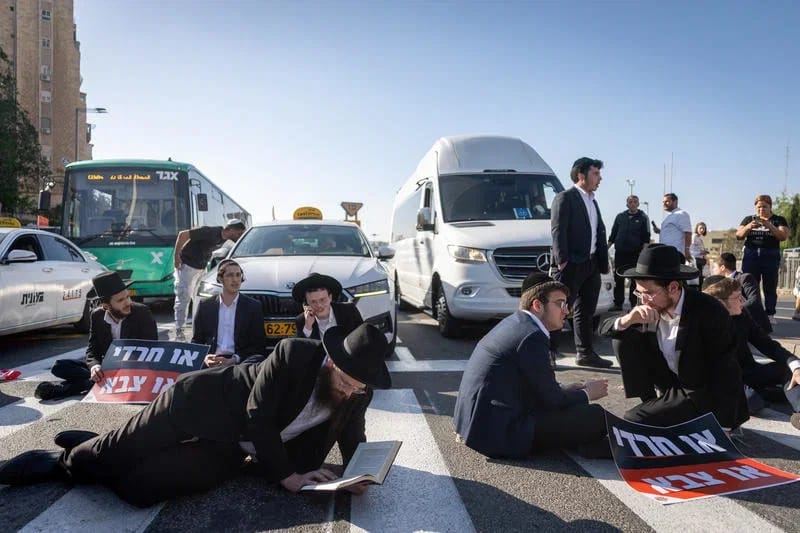
In an extraordinary escalation of the haredi draft crisis, the Badatz of the Eidah Chareidis issued an emergency directive Wednesday afternoon ordering the immediate closure of all kollelim under its authority and mobilizing thousands of avreichim to prison gates across Israel in what leaders termed a "war of excommunication with self-sacrifice."
The dramatic order, issued by the rabbinical court headed by Rabbi Moshe Sternbuch, came hours after protests erupted at multiple locations following the arrest and military police transfer of 19 yeshiva students. The directive represents one of the most sweeping mobilizations by the ultra-Orthodox community since the draft crisis began intensifying in recent weeks.
"In light of the authorities' attempt to hand over dozens of bachurim and avreichim to military prison, it is incumbent upon each and every one to go out in protests in a war of excommunication with self-sacrifice at the gates of the various prisons throughout the country to stop the destroyer," the Badatz statement declared, according to sources familiar with the directive.
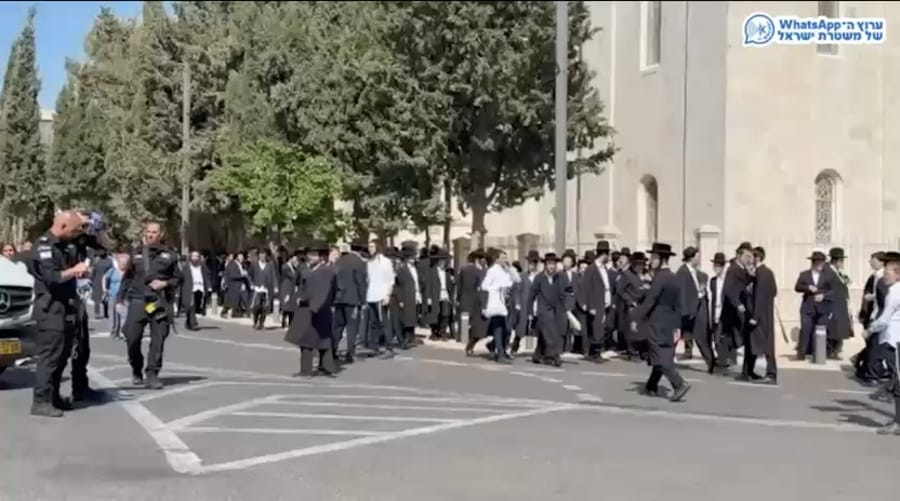
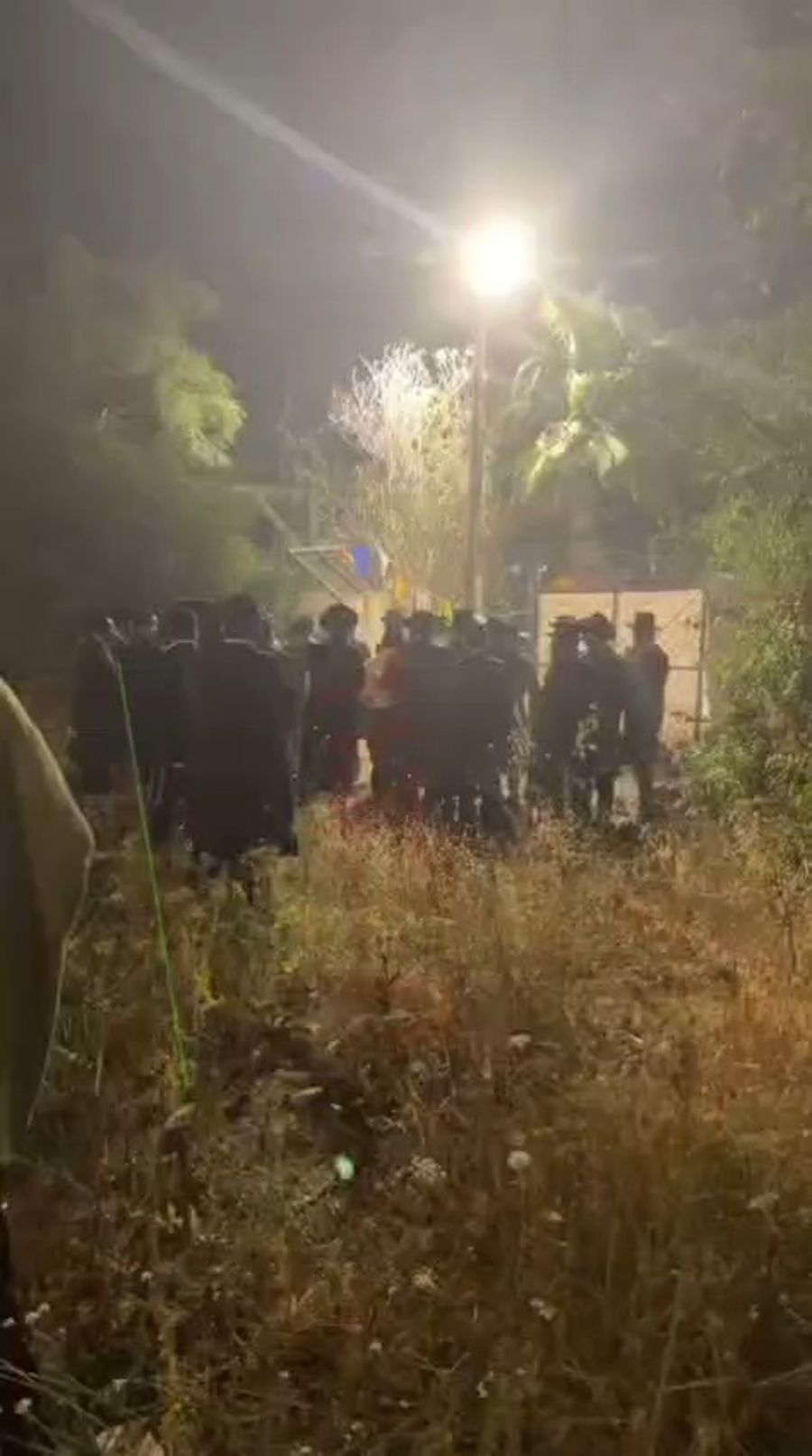
The closure order affected all Eidah Chareidis kollelim in Jerusalem and surrounding areas, with avreichim instructed to join demonstrations at four primary locations: near Nitzan Prison in Ramle for southern and Beit Shemesh communities, the Russian Compound in Jerusalem, near Hadarim Prison on Route 4 between Ra'anana and Netanya for northern and Sharon region residents, and the Abu Kabir area for Bnei Brak and central communities.
The mobilization joined ongoing protests launched earlier Wednesday by the Peleg Yerushalmi faction, which had already deployed demonstrators to multiple sites following the planned transfer of the 19 arrested students to IDF custody. The students had been detained at the home of Deputy Supreme Court President Noam Sohlberg in what authorities described as a violent intrusion that damaged windows and property.
Violent Clashes Erupt in Jerusalem
In Jerusalem's Russian Compound, confrontations between protesters and police rapidly intensified, with officers deploying stun grenades and mounted units to disperse crowds blocking major thoroughfares. Police stated that demonstrators attacked officers, hurled objects, and refused to comply with dispersal orders, prompting the use of riot control measures.

"Police forces and Border Police fighters, Yasam and Matpa units, operated to clear the roads and repel rioters, using crowd dispersal measures including stun grenades and mounted police," a police spokesperson confirmed. "Forces continue to operate at the scene with the aim of restoring order and keeping traffic arteries open."
The escalation comes amid mounting tensions over Basic Law: Torah Study, which passed a preliminary Knesset vote 56-43 on Wednesday, triggering fierce debate over haredi exemptions from military service. The legislation, championed by Shas and United Torah Judaism, has exposed deep fractures within Israeli society and the governing coalition itself.
The crisis has already strained police resources to breaking point, with a senior commander warning in closed briefings that the force is approaching systemic collapse due to the wave of yeshiva student arrests and resulting protests. The warning followed dramatic incidents including the breach of Beit Shemesh police station, an intrusion at the Technology Division headquarters in Jerusalem, and a break-in at the home of the Traffic Division commander.
The Eidah Charedis' decision to close all kollelim and mobilize its entire community represents a significant escalation in tactics, signaling that the ultra-Orthodox leadership views the current moment as a critical juncture requiring maximum pressure on authorities. The move effectively transforms the dispute from sporadic protests into a sustained, community-wide campaign of civil disobedience.
Wednesday's events unfolded against the backdrop of last week's violent raid on Justice Sohlberg's home, where dozens of protesters caused extensive damage and triggered the arrest of more than 70 individuals. The incident shocked the Israeli establishment and prompted calls for tougher enforcement measures against those who breach security compounds or target judicial officials.
As evening approached, police reinforcements were deployed to all four protest sites, with commanders warning that additional arrests would follow if demonstrators continued blocking roads or attacking officers. The Eidah Chareidis leadership, however, showed no signs of backing down, with sources indicating that the mobilization could continue for days if the arrested students are not released.
Further updates to follow.