Get our mobile app
Download on the App StoreGet it on Google Play

Back From 770

40 Chabad Students Detained at Airport to Enlist

The IDF says all 40 Chabad bochurim detained at Ben Gurion Airport on their return from a year at 770 in Brooklyn have agreed to enlist.

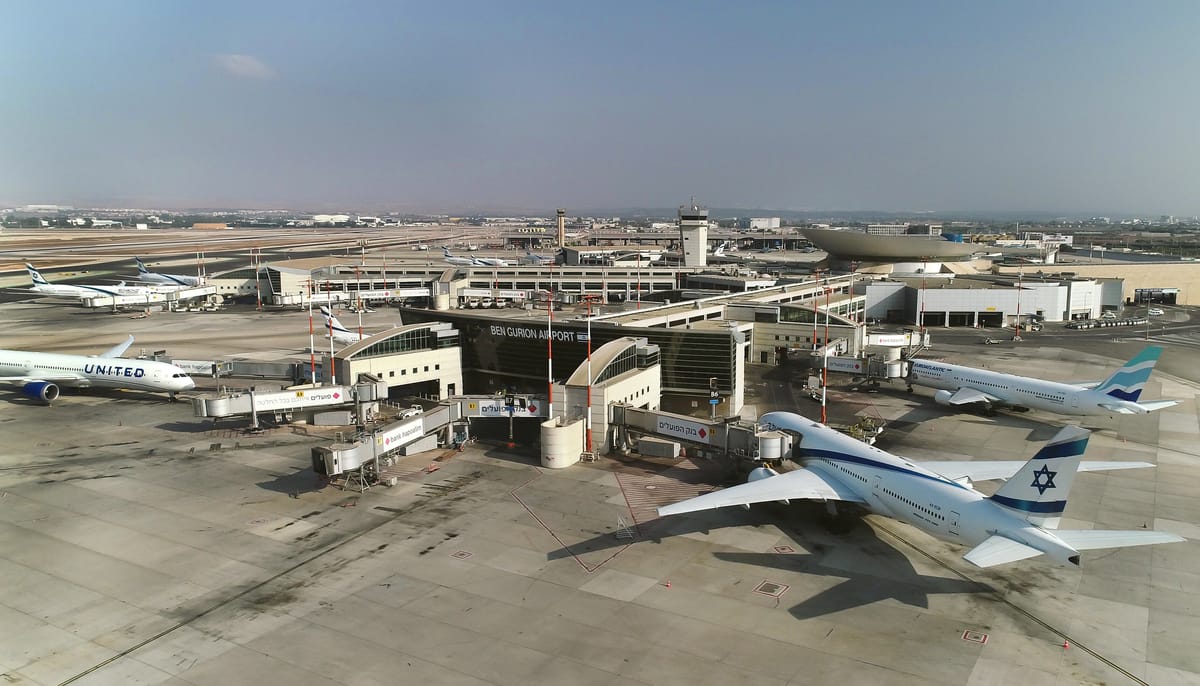
Ben Gurion Airport

The IDF said Tuesday that all 40 chareidi bochurim detained that morning at Ben Gurion Airport have expressed willingness to enlist. The students are Chabad chassidim. They had flown in from New York after a year of learning at the movement's world headquarters at 770 Eastern Parkway in Brooklyn.

That figure departs from accounts published earlier in the day. Citing the IDF, The Jerusalem Post and VINnews put the number detained at 42. In their version, 27 agreed to begin the enlistment process, were found fit for service, received suspended sentences and were released, with formal enlistment to follow soon. Another 13 refused to cooperate and were tried and sent to military prison. The remaining two had been evading service for more than 540 days and went straight to prison.

For Chabad families, the case touches a well-worn path. Chabad students typically head to the United States after three years of advanced yeshiva study in Israel. The movement had an arrangement with the military under which students spent a year learning abroad, came home and enlisted later through a service track suited to their way of life. Ynet reported that the arrangement lost its legal footing in the absence of formal Toraso Umanuso status, the framework that lets eligible yeshiva students postpone service while they learn.
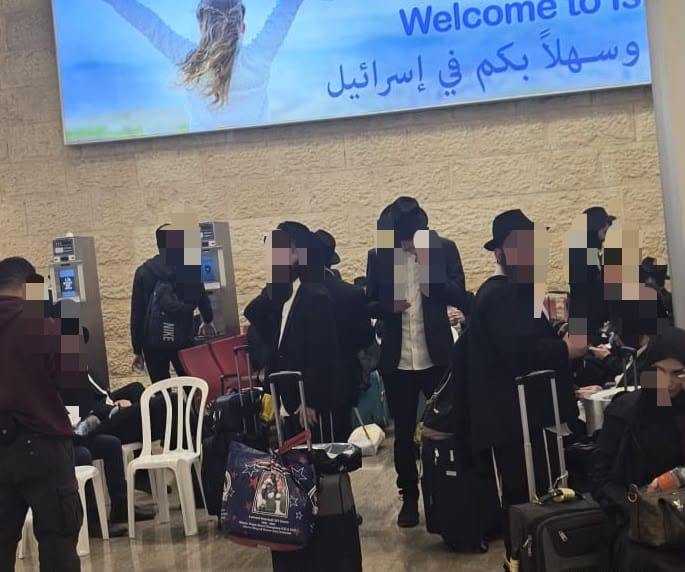
Military police had advance notice of the students' arrival and posted extra officers at the airport. Some students had their passports taken and learned they were suspected of not showing up for mandatory service. i24NEWS reported that the group at first expected to be let go, since military police could not hold so many suspected evaders at once. Instead, they were informed they would face disciplinary proceedings and were bused to the IDF induction center at Tel Hashomer.

Military officials laid out the terms. Students who agreed to enlist would get suspended disciplinary sentences and walk free. Those who refused would go to military prison. The offer did not necessarily extend to anyone whose case had been referred to the military prosecution, a classification that could expose them to imprisonment.

The IDF said military police routinely enforce Israel's compulsory service law, border crossings included. "The IDF will continue to enforce the Defense Service Law equally and ensure that the obligation to serve is fulfilled," the military said.

Pressed on why the students were not stopped on their way out of Israel, officials said draft notices had gone out before they left, but they had not yet been classified as failing to cooperate. "This was not an enforcement failure. Quite the opposite," the officials said, adding that "the IDF is not seeking a confrontation with Haredi society."

Shneur Weber, a chareidi journalist whose brother was among those detained, said the episode "was handled in an unwise and inappropriate manner." He added: "I served in the military myself, and many of those who landed today intended to serve in the army and regularize their status."

The chareidi party Shas blamed the detentions on what it called "the attorney-general's blatant and unprecedented political interference in the election campaign." The party said MK Yinon Azoulay, acting on instructions from party chairman Rabbi Arye Deri, was pressing senior IDF officials for the students' immediate release.

Moti Leitner, leader of the Haredi Public Party, called the incident "shocking." "The arrests do not help recruit haredim into the military. They constitute a devastating blow," he said. Leitner argued that political disputes had undermined the arrangement meant to let Chabad students study overseas before returning to serve.

The IDF warned the Israel Police to expect mass demonstrations around the Tel Hashomer base and Kfar Yona prison.

Dozens of the students had been released from military jail and were being moved to the recruitment office after expressing willingness to enlist, while some remained in custody.

Ready for more?

Join our newsletter to receive updates on new articles and exclusive content.

We respect your privacy and will never share your information.

Enjoyed this article?

Yes
No
Follow Us:

Unmissable content


Loading comments...

Also of Interest