A religious and regional dilemma
Bin Salman also faces a delicate regional and religious balancing act. Saudi Arabia, home to Islam’s two holiest cities, Mecca and Medina, wants to keep its standing as leader of the Muslim world and guardian of the holy sites, a central source of the royal family’s legitimacy. At the same time, it needs advanced security partnerships with the West.
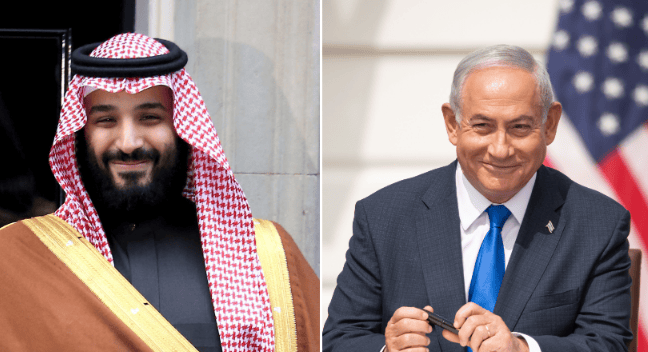
Cooperation with the U.S. and Israel could offer intelligence and military advantages against regional threats. Open cooperation with Israel, though, risks a backlash in the Arab and Muslim world. The Houthis exploit that tension in their propaganda, casting themselves as fighting Israel and the U.S. on behalf of the Palestinians while accusing Riyadh of cozying up to the West and abandoning its traditional positions.
The dilemma recalls an earlier chapter in Saudi history. After Iraq invaded Kuwait in 1990, Saudi Arabia invited in U.S. forces. The move strengthened its security, but it also handed extremist groups, including Osama bin Laden’s al-Qaeda, propaganda against the royal family over the presence of Western troops on the Arabian Peninsula.
For Bin Salman, the risk isn’t confined to the battlefield. If the security threats persist, investment suffers and economic projects stall, questions could also arise about his ability to deliver stability and prosperity to the kingdom.