But the shocking truth began to surface years later: in 2011, some of the witnesses admitted they had lied in court under police direction, after receiving cash bribes, gifts and explicit threats of deportation if they did not incriminate Carter. Following this misconduct by law enforcement, the U.S. Supreme Court ordered a retrial last year, which has now ended with his dramatic release on bail.
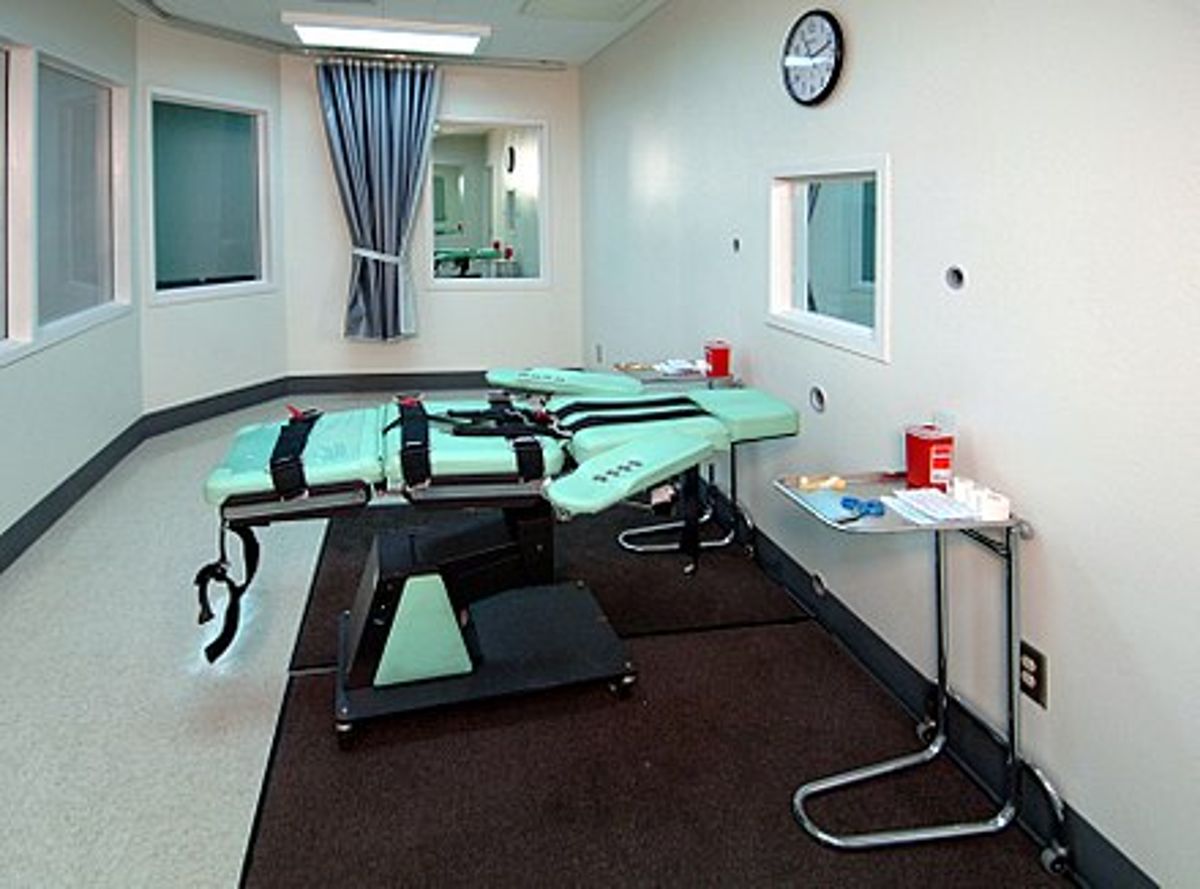
This case joins a series of systemic failures in the American justice system. In Tennessee, an execution was halted at the last moment due to a technical-medical failure, when the team could not locate a suitable vein for the lethal injection. The governor granted the condemned man a full year's reprieve.
Meanwhile, in Israel, construction is advancing on a dedicated death-row wing in the centre of the country, as National Security Minister Itamar Ben-Gvir has announced. The wing will include a dedicated hanging facility where sentences will be carried out in accordance with the law passed by the Knesset.
Similar cases of exoneration after long years have been recorded in other states as well. Glenn Ford was acquitted in 2014 after 26 years in prison, when the sole witness in the case recanted her testimony and admitted she had lied. Ford, an African-American from Louisiana, had been convicted of murder by an all-white jury.
Carter's case underscores the immense trauma the state inflicted on an innocent man over decades, and raises hard questions about the reliability of the criminal justice system in the United States.