An extraordinary breakdown in traditional American governance protocols has occurred following a highly unusual closed door directive from the presidency targeting prominent media institutions. The administration has ordered the top official of the federal bureau to personally oversee an aggressive investigation into unauthorized leaks regarding the structural integrity of the presidential aircraft. The unprecedented development marks a severe escalation in the ongoing friction between the executive branch and independent news organizations, culminating in the formal summoning of multiple investigative reporters before a federal grand jury.
The complex operational sequence began when the head of the federal bureau, Kash Patel, was forced to cancel his personal weekend travel arrangements after receiving an urgent, unexpected summons to the executive mansion on Friday afternoon. The high ranking law enforcement official spent at least eight hours inside the presidential complex coordinating the opening phases of the leak probe alongside senior administrative aides. Following his extended presence at the residence, Patel publicly dismissed widespread media speculation regarding the meeting by stating that the fake news will find out soon why he was there.
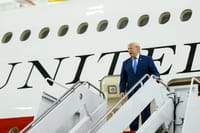
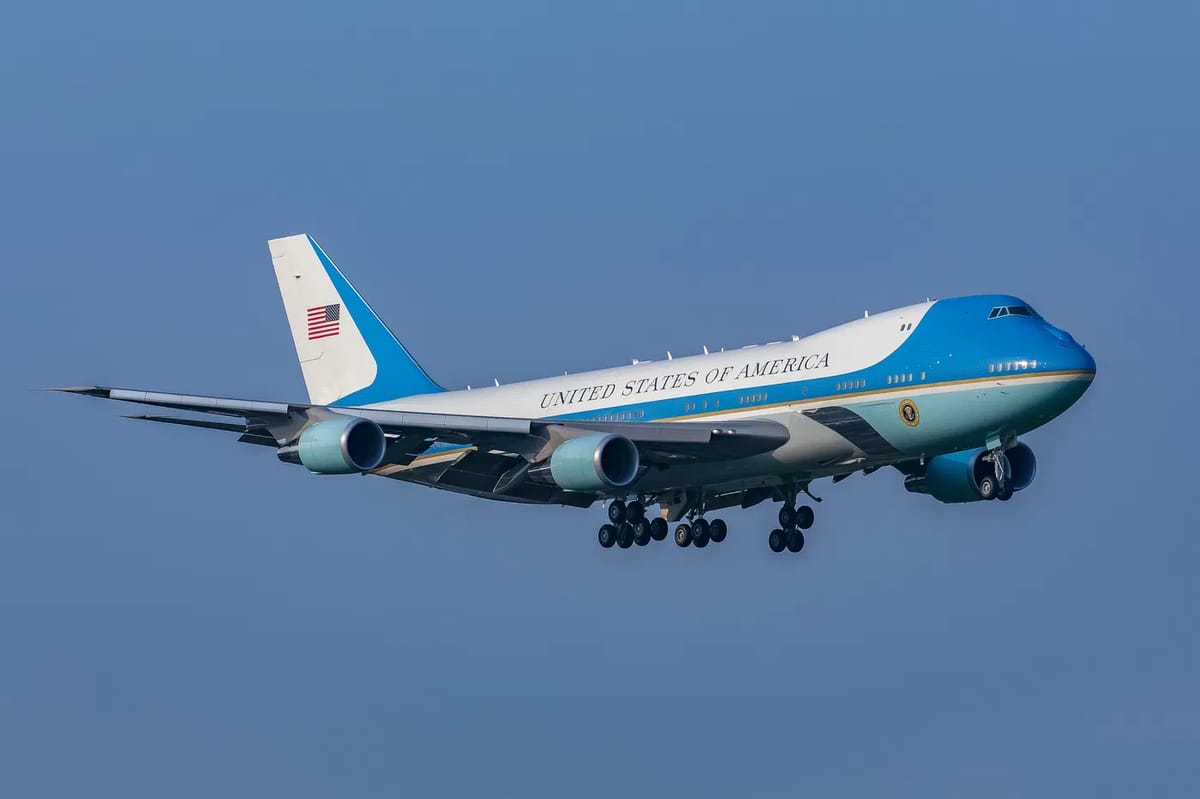
The specialized federal probe was triggered by an investigative report detailing sensitive security vulnerabilities embedded within the newly acquired Air Force One aircraft, which was provided as a formal gift by the government of Qatar. The president reportedly reacted with severe anger toward the publication, viewing the dissemination of the specialized aircraft specifications as a severe breach of national defense protocols. In an unprecedented departure from decades of established political tradition, the law enforcement chief maintained direct communication with executive officials while issuing immediate subpoenas to multiple media professionals.
Prior to the formal deployment of grand jury summonses, senior law enforcement officials attempted to block the publication by contacting investigative personnel directly. Bureau representatives requested that editors indefinitely delay the release of the report by claiming that the article touched upon critical matters of national security, though they repeatedly refused to provide specific technical evidence to justify the claim. The federal agents also demanded that the newspaper immediately expose the identities of its internal administration sources, a request that the media organization completely rejected.
Within forty-eight hours of the initial refusal, federal agents traveled directly to the personal residences of multiple journalists to deliver formal legal mandates requiring their immediate testimony before a grand jury panel. Legal counsel for the targeted publication issued a sharp public rebuke against the executive intervention, stating that this blatant act should be seen as nothing more than an attempt to prevent the public from knowing what is happening in their country, by intimidating journalists so they do not perform their job. The media institution emphasized that historical precedents generally dictate that leak investigations focus on the original government sources rather than the reporters who receive the material.
The Department of Justice immediately issued a defensive public briefing to justify the aggressive utilization of grand jury power against independent press members. Justice officials argued that the current legal actions are entirely consistent with historical practices, stating that every administration handled the crime of leaking sensitive security information. The agency further sought to clarify the ultimate objectives of the ongoing grand jury proceedings by stating that for the avoidance of doubt, the journalists are not the target of the investigation, and those who leak classified information are the target.