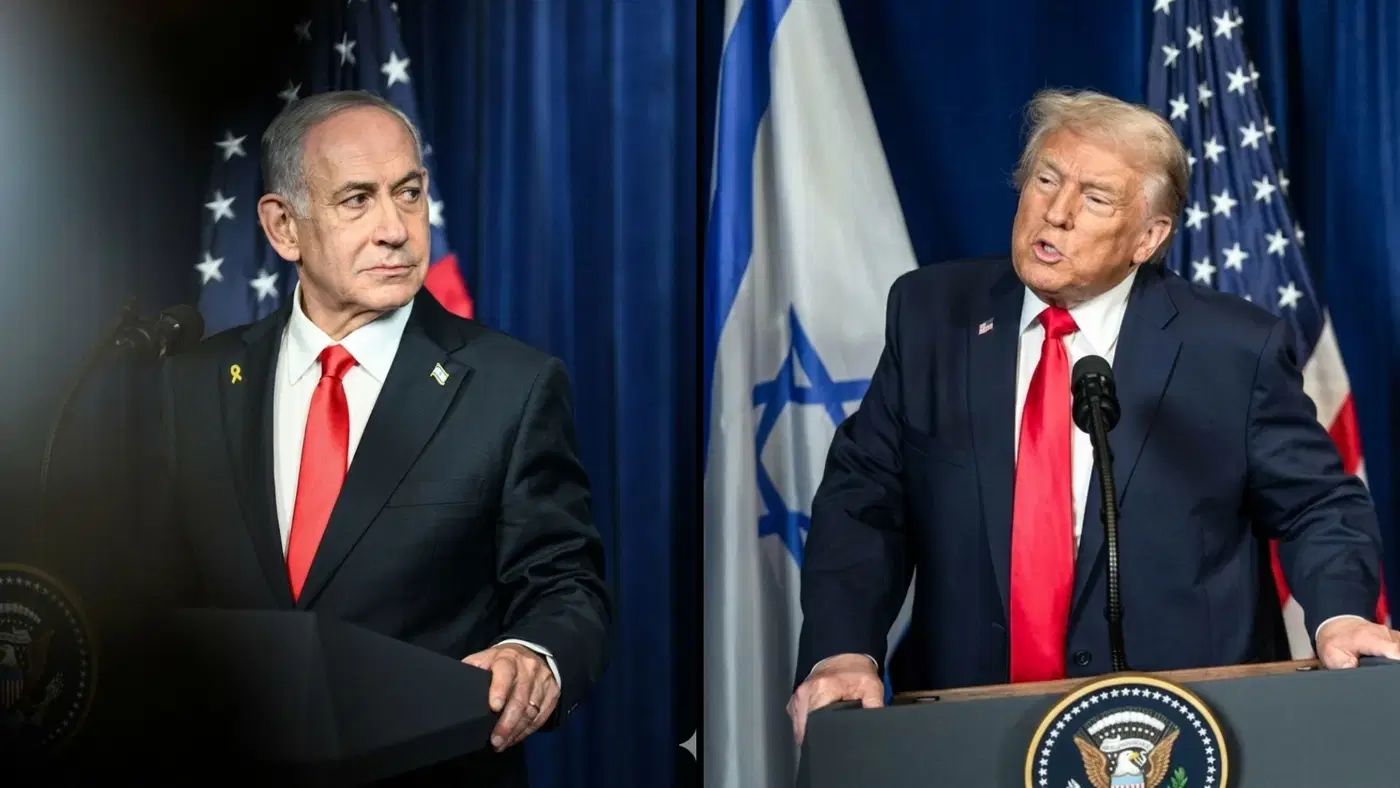
U.S. President Donald Trump reportedly intends to keep Israel out of the direct theater of operations for as long as possible. U.S. planners recognize that any Iranian strike on Israeli territory would drastically escalate the current situation, triggering a severe Israeli response that would likely begin with the Israeli Air Force joining U.S. military strikes against Iranian targets.
Balancing Alertness and Daily Routine
The primary dilemma for Israeli defense leadership is preventing public panic or the premature disruption of daily life before a single missile is launched. The rapidly shifting geopolitical reality is creating an unstable environment across the country, mirroring the daily friction experienced by northern border communities over the past year.
Defense officials warn that the current routine could rupture into an extreme emergency at any given moment. For citizens who fail to prepare due to indifference, the sudden transition could leave them exposed to danger and potentially jeopardize others if panic impairs their ability to function under pressure.
Monitoring of Persian Gulf Developments
Israeli authorities are closely tracking developments in the Persian Gulf. Prime Minister Benjamin Netanyahu and Defense Minister Israel Katz held an urgent security consultation to address the ongoing escalation between Washington and Tehran.
Concurrently, IDF Chief of Staff Lieutenant General Eyal Zamir conducted a series of situational assessments at the Kirya defense headquarters in Tel Aviv, convening senior commanders from the Military Intelligence Directorate, the Air Force, and the Operations Directorate.
While intelligence assessments suggest that the current exchange of blows between the United States and Iran will initially remain concentrated in the Gulf region, Israel is actively preparing for the conflict to widen to include direct Iranian launches toward Israeli territory.
Officials in Jerusalem have issued clear warnings that any Iranian attack against Israel will inevitably draw a high-intensity response.
Special Home Front Status Extended Nationally
Against the backdrop of these security tensions, the Israeli cabinet conducted an urgent telephone vote to approve the extension of the "Special Status on the Home Front" across the entire country.
According to the document submitted for ministerial review, the emergency declaration will remain in effect until at least the end of July.
The approved resolution details a highly complex security apparatus. Defense officials explicitly noted that the administrative extension was deemed necessary due to high levels of uncertainty regarding operational theaters in both Iran and Lebanon.
The core text of the document features a explicit warning, noting that according to intelligence assessments, there remains a high probability of an attack targeting the civilian population.
Internal Instability Shakes the Iranian Regime
The external military friction coincides with mounting reports of intense internal power struggles within the upper echelons of the Iranian regime.
A comprehensive report published by The New York Times detailed widening rifts between the faction aligned with President Masoud Pezeshkian, who favors continuing negotiations with Washington, and hardline loyalists who oppose any diplomatic accommodation.
During recent funeral processions for Supreme Leader Ali Khamenei, these political divisions spilled over into public violence, with crowds confronting the president and chanting slogans against diplomatic compromise.