Get our mobile app
Download on the App StoreGet it on Google Play

UK Sanctions on West Bank Settlements

Trump Addresses UK Sanctions on Settlements

U.S. president says he will speak with Israel and Britain to understand their reasoning, marking his first public comment on the diplomatic crisis

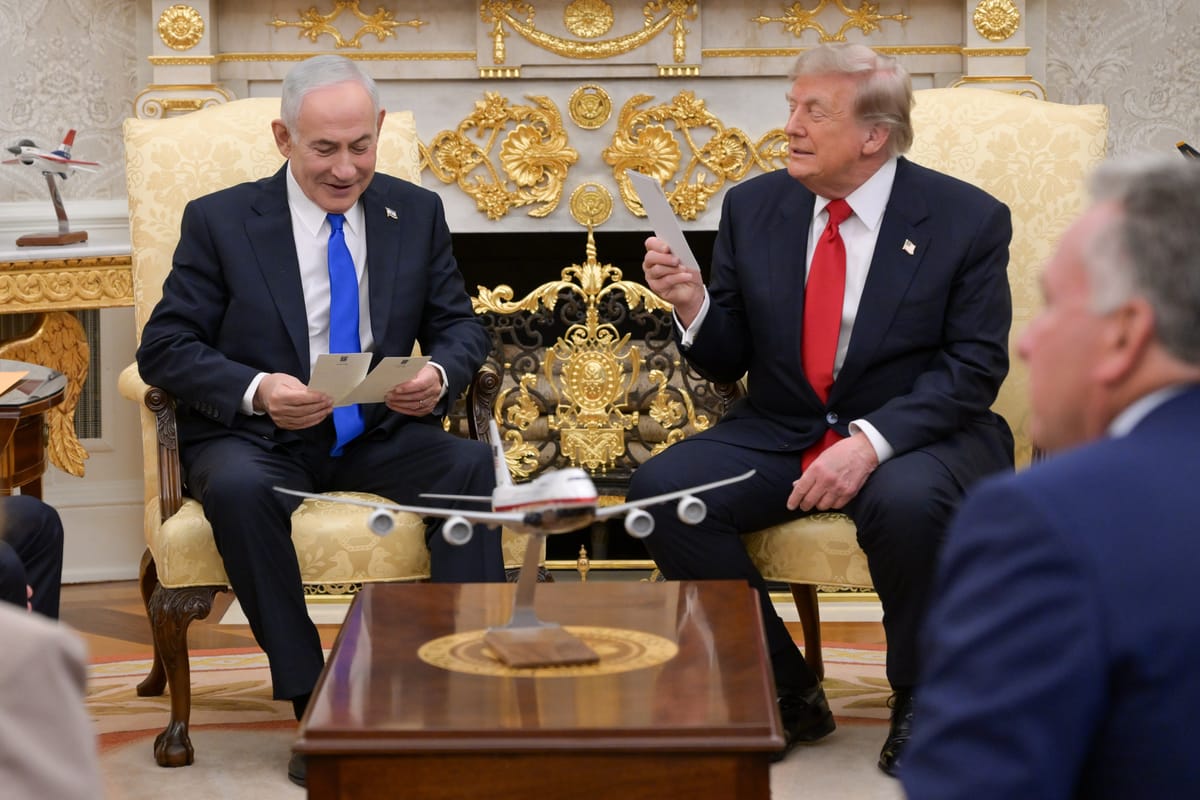
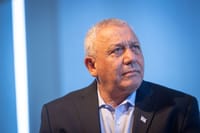
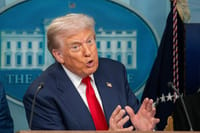
Netanyahu; Trump

President Donald Trump addressed the British sanctions on Israeli settlements in Judea and Samaria (the West Bank) for the first time on Thursday, breaking a lengthy silence on the diplomatic crisis between Israel and the United Kingdom.

"I'm going to speak with Israel. I'll speak with them [Britain and other countries that joined the criticism of Israel], and I'll find out what they're thinking, what their considerations are," Trump told reporters. "I understand, you know, I understand exactly what's happening, but I want to find out why this suddenly happened."

The president's remarks come amid a sharp diplomatic standoff between Israel and Britain, triggered by British Foreign Secretary David Miliband's announcement of new sanctions targeting settlement activity. Miliband, who is Jewish, declared a ban on imports of goods from settlements and imposed sanctions on companies that support settlement construction in Judea and Samaria.
Israel responded to the British announcement with a series of countermeasures, including the closure of the British consulate in Jerusalem within 30 days and entry bans for 11 British parliamentarians. Israeli Foreign Minister Gideon Sa'ar condemned the British decision, stating that "today's accusations by the Labour government's foreign secretary in the British Parliament were outrageous and false."

According to foreign reports, the Trump administration did not oppose the British initiative or attempt to block it. Journalist Barak Ravid reported that British Prime Minister Andy Burnham spoke with President Trump ahead of the sanctions announcement and briefed him on the matter, with Trump expressing no objection.

U.S. Secretary of State Marco Rubio was asked by reporters about the sanctions and did not condemn the move. "The president hasn't commented on it, and neither will I. The British informed us they were going to make this decision. We heard their arguments about the reasons for it. We share the goal of stability in the West Bank," Rubio said.

Twelve additional Western countries joined the British initiative, which comes against the backdrop of the E1 construction plan east of Jerusalem. Miliband emphasized that the settler population in Judea and Samaria has doubled since the Oslo Accords, and that more settlements have been built under the current Israeli government than in the previous twenty years.

The British foreign secretary addressed Israel's retaliatory measures, calling them "regrettable and damaging," but expressed confidence that intelligence and security cooperation with Israel would continue. Miliband rejected sharp criticism from Britain's Chief Rabbi Ephraim Mirvis, who called the British decision "a truly dark day for British Jewry."

Finance Minister Bezalel Smotrich called in response to the reports to expel the British ambassador. "We will not be a doormat for an antisemitic government, in a country conquered by radical Islam, trying to save itself from economic and social decline by attacking Israel," he said.

Ready for more?

Join our newsletter to receive updates on new articles and exclusive content.

We respect your privacy and will never share your information.

Enjoyed this article?

Yes
No
Follow Us:

Unmissable content


Loading comments...

Also of Interest