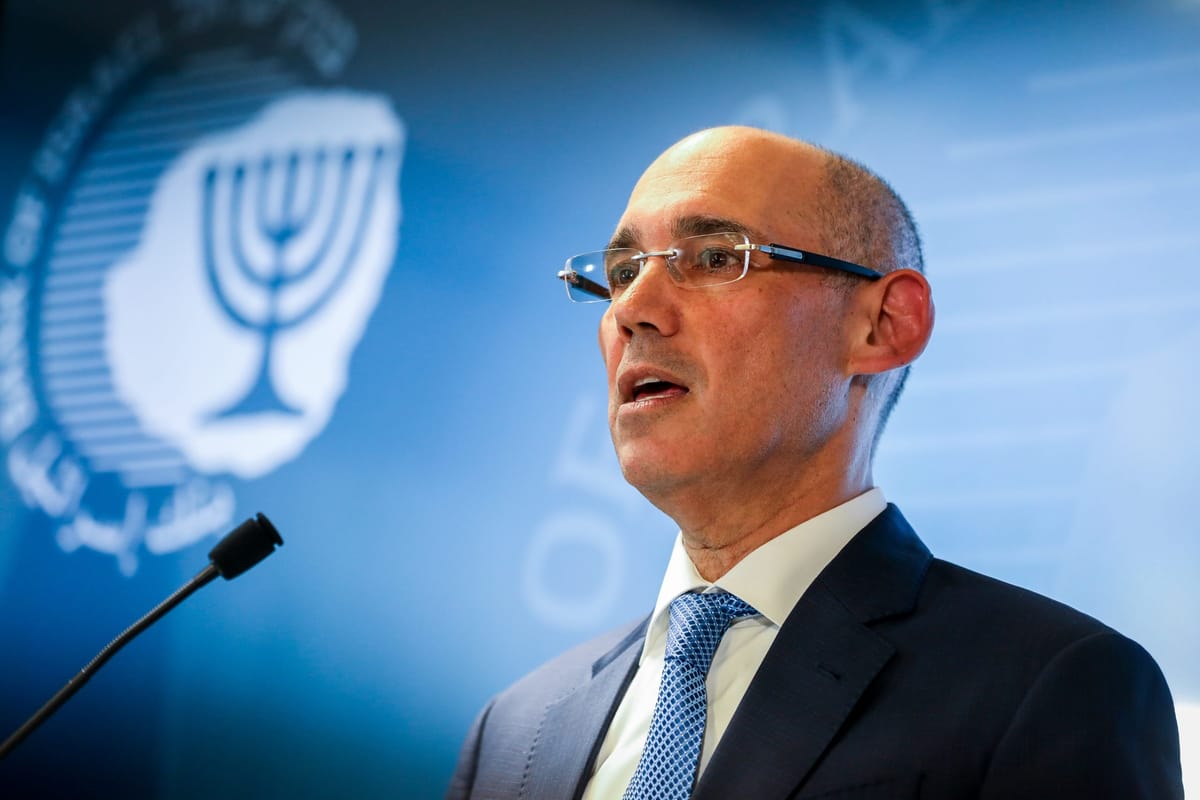
Bank of Israel conducted a national emergency drill this week simulating a major earthquake and testing the currency system's functionality during crisis conditions. The exercise examined the ability to continue supplying cash and essential banking services even when infrastructure is damaged.
According to Bank of Israel, drill results indicated a high level of preparedness among participating entities. The bank defined cash as a strategic national infrastructure required even during emergencies.
Why is cash receiving attention now?
Most Israelis routinely pay by credit card, phone, or apps. Under normal circumstances, there's virtually no need to keep significant amounts of cash on hand.
In an emergency scenario, the picture changes. The National Emergency Authority notes that a significant earthquake could damage electricity, water, telephone, and communications infrastructure. When power or communications are unavailable, digital payment systems may also be compromised.
In such situations, cash takes on practical importance. Purchasing food, water, medications, or basic supplies doesn't depend on a business's connection to clearing systems.
The Item That Appears in Official Guidelines
The Health Ministry published updated emergency preparedness guidelines in March 2026. The list of supplies to prepare in advance includes water, dry food, flashlight, batteries, portable chargers, copies of important documents, and also cash.
The supplies are intended for a period when a family needs to stay home or evacuate and manage for several days until services return to normal.
The guidelines don't specify a uniform cash amount every family should keep. Therefore, there's no official figure of hundreds or thousands of shekels required to store at home.
Why Credit Cards Aren't Always Enough
A card transaction typically requires communication between the business, the clearing company, and the financial system. Payment by phone also needs electricity and active communications systems.
A significant earthquake could cause power outages, road blockages, and damage to communications systems. In such conditions, certain businesses may continue operating but without the ability to accept digital payment for a period of time.
Withdrawing cash from an ATM also depends on machine availability, power supply, and communications. For precisely this reason, Bank of Israel examined in its recent drill how the cash system would continue functioning during a crisis.
This Isn't a Call to Withdraw Money from the Bank
Bank of Israel didn't issue a recommendation following the drill for the public to withdraw large sums or remove savings from accounts.
The message from the drill concerns the banking system's preparedness. The recommendation to keep cash as part of emergency supplies appears in the Health Ministry's preparedness guidelines.
For a household, the practical approach is to include cash alongside other emergency supplies, not to treat it as a substitute for a bank account.
What Else Should You Prepare?
According to Health Ministry guidelines, a home emergency kit should suffice for several days. Alongside cash, it's recommended to prepare water, dry food, a battery-operated flashlight, spare batteries, a portable phone charger, and copies of important documents.
Families with regular medications, medical equipment, or baby supplies need to prepare according to household needs.
The supplies should be stored in an accessible location, near the protected space or home exit, according to the structure and family emergency plan.
Why Is Bank of Israel Drilling for Earthquakes Now?
The drill is part of a broader state preparedness effort for earthquakes. In February 2026, the National Emergency Authority launched a multi-year program with participation from approximately 200 representatives from government ministries, the defense establishment, Israel Police, Magen David Adom, fire services, local authorities, and infrastructure bodies.
As part of the preparedness, 2026 and 2027 were designated as years when the state focuses on preparations for a significant earthquake scenario.
Bank of Israel's drill examined one part of the system: how to continue operating banking services and supplying cash when routine is disrupted.
The Check Worth Doing at Home
There's no need to wait for an emergency to check household supplies. If your emergency kit includes water and a flashlight but lacks cash, documents, and a portable charger, it's worth updating.
The goal isn't to prepare for a specific scenario on a known date. An earthquake isn't an event that can be predicted in advance at a precise time.
This week's drill at Bank of Israel offers a good reminder of a point easily forgotten in an era of phone payments: when electricity and communications are down, a few bills in your wallet take on different meaning.