
Get our mobile app
Download on the App StoreGet it on Google Play

A Nation in Collapse

Bags for Shoes: Inside Houthi Yemen

As the Iran-backed militia expands its regional military campaign, footage circulating online reveals the stark reality on the ground: armed men with plastic bags wrapped around their feet instead of shoes

Billions for Missiles, No Money for Food: Inside Houthi-Controlled Yemen

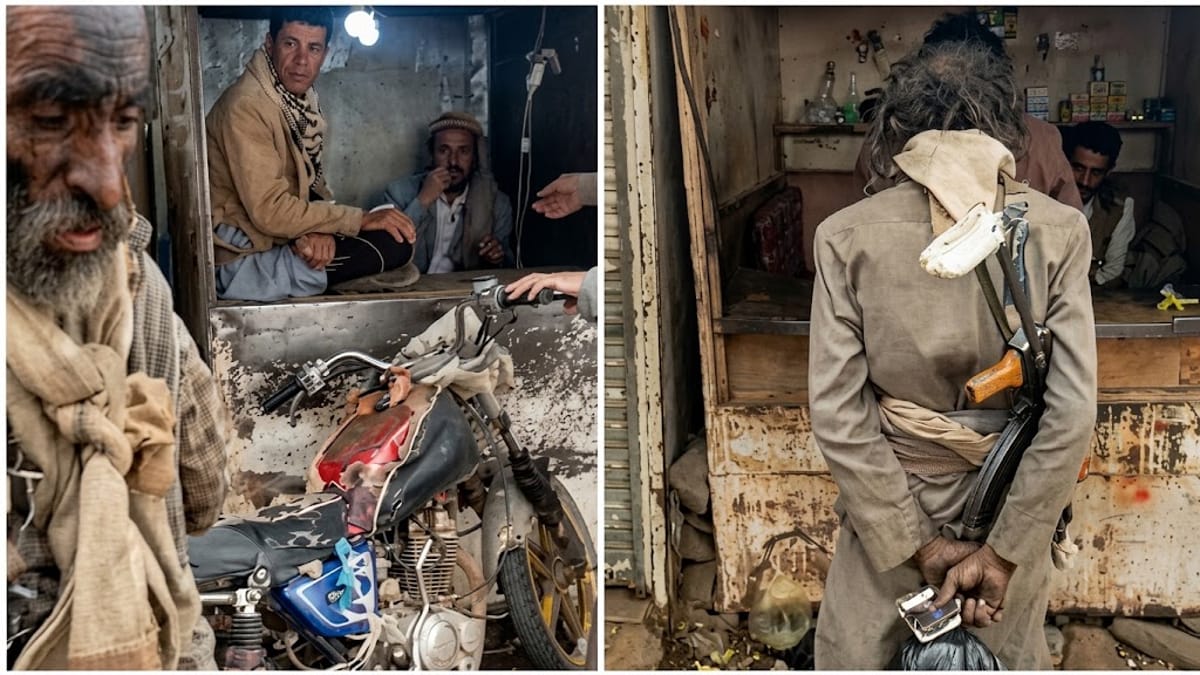
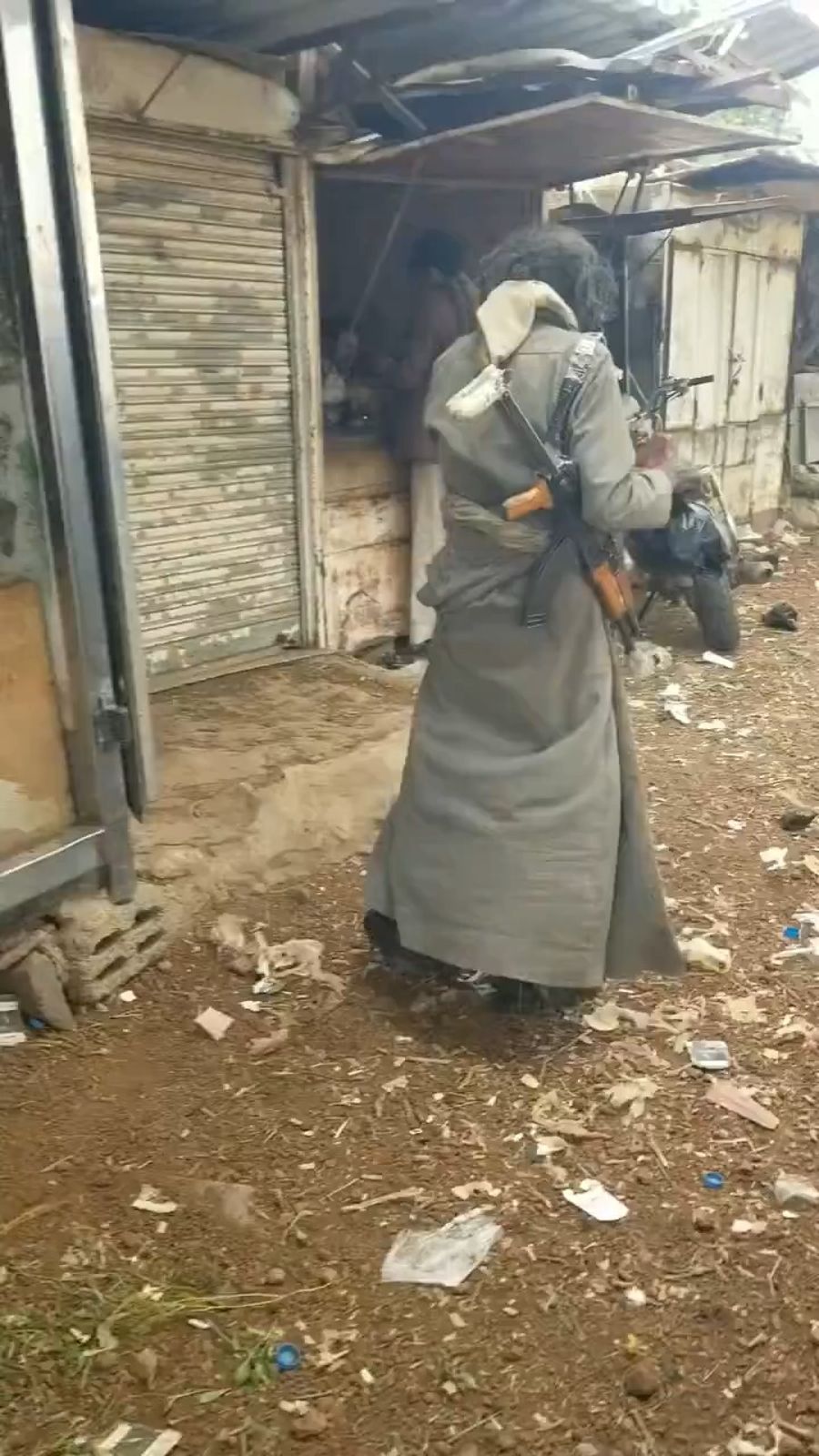
While the Houthis continue projecting military strength and expanding their grip across parts of Yemen, footage circulating online in recent days paints a starkly different picture: streets and markets throughout the country, people grappling with harsh economic realities, and among the images, an armed man whose feet are wrapped in plastic bags in place of shoes.

The post, published in Arabic and widely shared across social media, presents these scenes under the headline "Yemen... When Collapse Becomes a Homeland," describing the chasm between Yemen's history and potential and the reality into which the country has descended after years of war, fragmentation, and economic crisis.

The footage shows scenes from daily life, including people in markets and deteriorating living conditions. One of the most striking images is of an armed man whose feet are wrapped in plastic bags instead of shoes. The image has become a symbol online of the harsh reality within the country.

The post also addresses the phenomenon of qat cultivation, a plant that millions of Yemenis habitually chew, claiming that a significant portion of the country's time and resources are devoted to growing and consuming it. However, the author emphasizes that Yemen's condition cannot be explained by qat alone, but rather by a combination of prolonged wars, the proliferation of weapons, weak state institutions, political fragmentation, and economic collapse.

Current data illustrates the depth of the crisis. The United Nations estimates that more than 22 million people in Yemen will require humanitarian assistance during 2026, and approximately 18.3 million people are facing acute food insecurity. More than 2.2 million children under the age of five suffer from acute malnutrition.

The crisis has intensified in recent weeks. Since the beginning of September, more than 82,000 people have been displaced from their homes, and in total the number of newly displaced people as a result of the latest escalation has already crossed the 100,000 threshold. Thousands more have fled by sea to Djibouti.

Yemeni women under Houthi rule; begging for charity from passersby in the streets.
Yemeni women under Houthi rule; begging for charity from passersby in the streets. (Photo: Arab social media)

Meanwhile, the Houthis continue a broad military campaign along the Red Sea coast. In recent days, reports emerged of their takeover of strategic areas and positions, as the renewed fighting threatens to deepen the humanitarian crisis in the country even further.

This reality creates a sharp contrast: on one hand, the Houthis possess significant military capabilities and are conducting a regional campaign that includes launching missiles and unmanned aerial vehicles; on the other hand, within the country itself, millions of civilians continue to struggle with poverty, displacement, food shortages, and damage to basic services.

According to the UN, the Yemeni economy has contracted by more than half since the war began, and per capita output has fallen by more than half. More than 80 percent of the population lives below the poverty line.

Ready for more?

Join our newsletter to receive updates on new articles and exclusive content.

We respect your privacy and will never share your information.

Enjoyed this article?

Yes
No
Follow Us:

Unmissable content


Loading comments...

Also of Interest