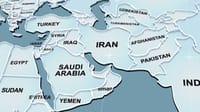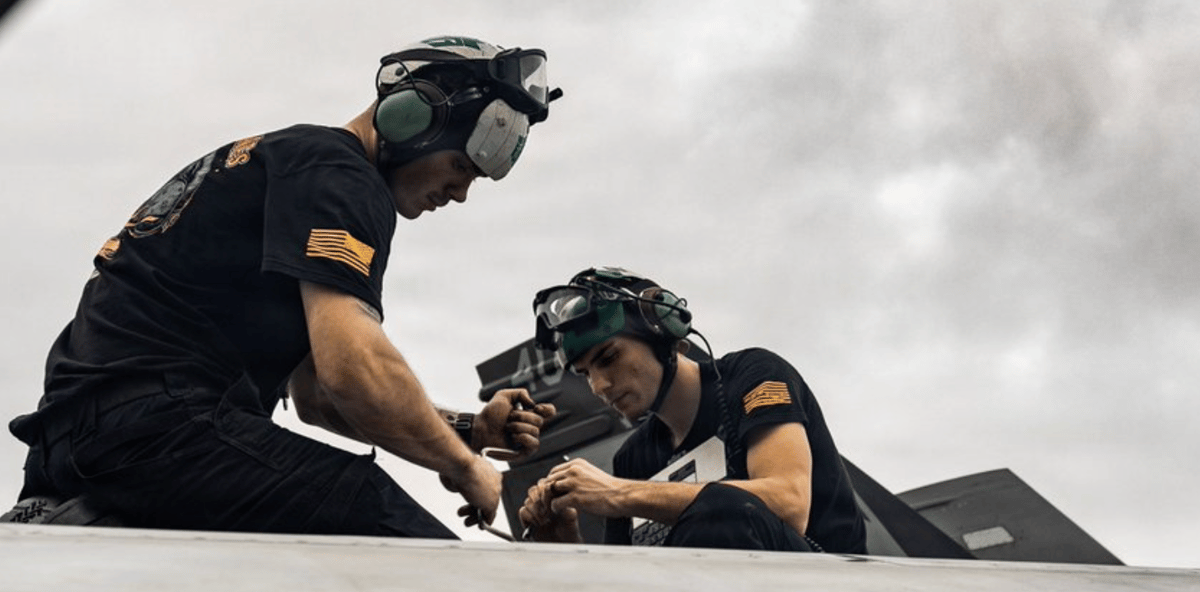
Admiral Brad Cooper, commander of U.S. Central Command, landed in Israel this afternoon for an operational situation assessment with IDF Chief of Staff Lt. Gen. Eyal Zamir and senior Israeli military officials, arriving moments as multiple U.S. refueling aircraft touched down at Ben Gurion Airport. The timing underscores an unusual convergence: maximum military reinforcement paired with unexpected diplomatic optimism about reaching a ceasefire agreement.
Cooper's visit follows recent meetings in Bahrain and the United Arab Emirates, where he coordinated with American commanders managing the broader regional posture. Coordination between the IDF and U.S. military is designed to shorten the transition time from routine to emergency readiness as American forces continue to arrive across the region. The Jerusalem Post
The military buildup is substantial. U.S. refueling aircraft are being brought to a total of 40 at Ben Gurion Airport, with Israeli media reporting that aircraft are being relocated from neighboring regional bases already subjected to Iranian bombardment. The U.S. military prefers stationing refueling aircraft at Ben Gurion Airport as it is less exposed to Iranian attacks than other bases in the region. Middle East MonitorThe Jerusalem Post
Yet the diplomatic context has shifted sharply. Both Iranian President Masoud Pezeshkian and U.S. Vice President JD Vance made optimistic statements today regarding the possibility of progress toward a new ceasefire agreement—a stark reversal from the maximalist Iranian demands issued just 24 hours earlier that included sanctions relief, war reparations, and a complete U.S. military withdrawal from the region.
The contradiction is deliberate: Washington is simultaneously demonstrating full military readiness while signaling diplomatic seriousness. Cooper's visit to Israel serves multiple functions—reassuring Israeli leadership that American support remains unconditional, coordinating contingency operations, and demonstrating to Iran that Washington's negotiating position is backed by deployable force.
Israeli officials will use the Cooper meetings to test whether any emerging ceasefire framework includes protections for Israeli operational autonomy, particularly regarding Iranian proxy forces in Lebanon, Gaza, and Iraq. Israeli concerns have centered on whether framework agreements contain adequate safeguards and whether Iran can preserve nuclear infrastructure while constraining Israeli military options. globalsecurity
The stakes for Netanyahu's government are high: a premature ceasefire that leaves Iranian capabilities intact would undermine the strategic purpose of the February-March military campaign. The visit from CENTCOM's top commander signals that joint U.S.-Israeli operational contingency planning continues regardless of the diplomatic temperature.
For Israel's security establishment, Cooper's presence carries implicit reassurance: even if Trump's political position at home continues eroding, the military-to-military relationship with the Pentagon remains stable and mission-focused.