China and Russia are actively reinforcing Iran's military infrastructure through targeted technological and logistical aid. Rather than deploying troops or forming a mutual defense pact, Beijing is delivering dual-use components, including critical missile fuel ingredients like sodium perchlorate, and high-resolution satellite imagery via its BeiDou navigation system. Simultaneously, Moscow is supplying real-time target intelligence on regional US military positions, upgraded electronic warfare (EW) systems, and navigation technology to enhance Iran's Shahed-series attack drones.
WAR GAMES
China and Russia Resupply Iranian Forces with Military Tech and Intelligence
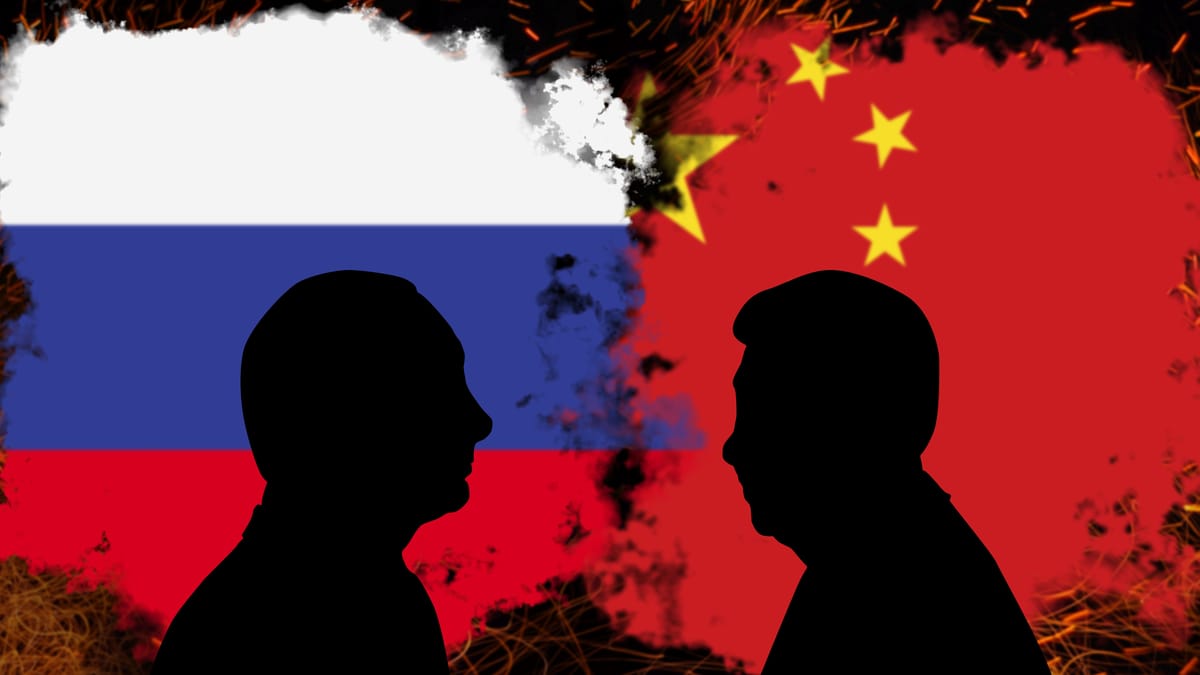
China and Russia are transferring military hardware, missile fuel, and satellite intelligence to sustain Iran's Islamic Revolutionary Guard Corps (IRGC). Rather than forming a direct defense alliance, Beijing and Moscow are executing a calculated strategy to maintain Tehran as a functional proxy against the West
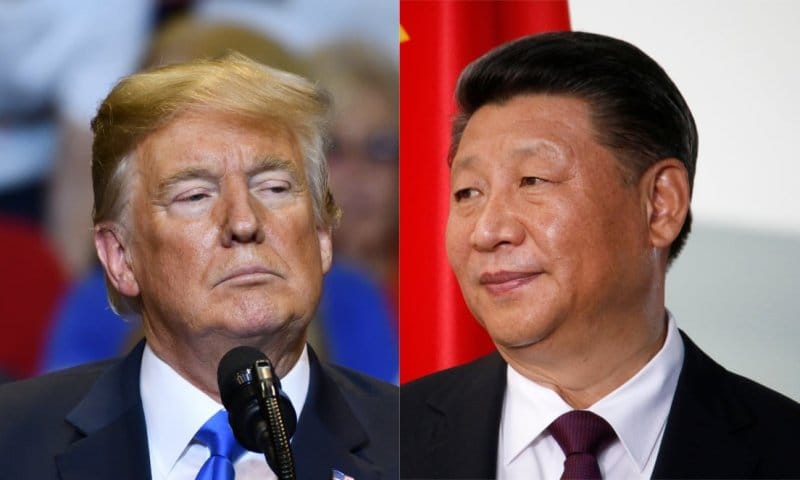
Chinese Weapons and Technical Aid
Iran is currently negotiating a $70 million acquisition of up to 400 Chinese-made shoulder-fired anti-aircraft missiles, specifically the QW-12 and FN-16 MANPADS (Man-Portable Air-Defense Systems), to rebuild its short-range air defenses following recent US and Israeli strikes. Intelligence reports further reveal ongoing talks for Beijing to supply CM-302 supersonic anti-ship cruise missiles, capable of traveling at high speeds to threaten maritime traffic within a 290-kilometer range.
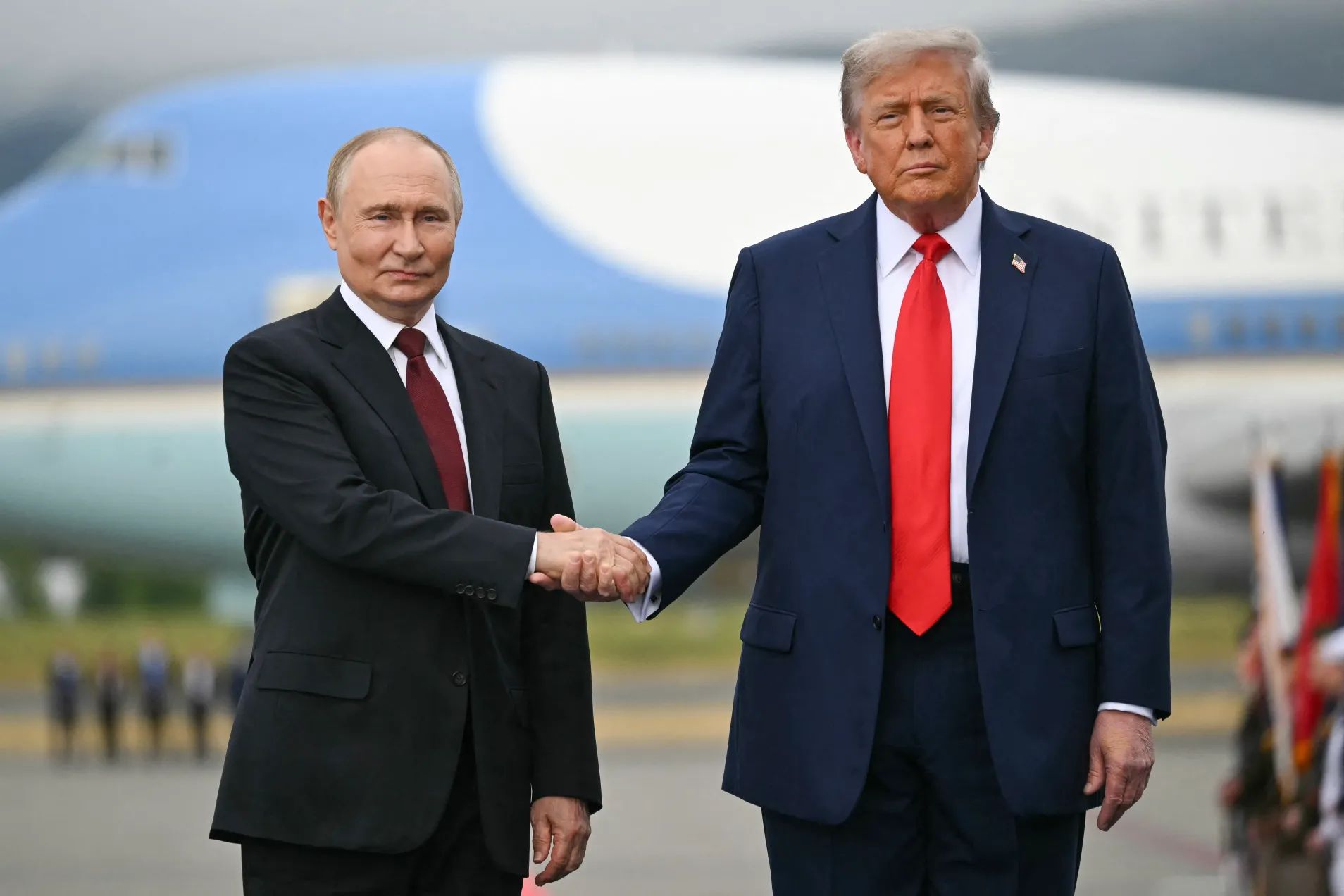
Russian Operational Intelligence
While Beijing provides industrial components and missile fuel, Moscow offers direct operational assistance to IRGC forces on the ground. Russian satellite feeds enabled Iranian units to recalibrate ballistic missiles with higher accuracy during attacks on military targets in Jordan, Saudi Arabia, and Kuwait. Furthermore, Russia continues to shield Tehran politically by blocking United Nations Security Council (UNSC) resolutions, using diplomatic leverage to protect its supply of Iranian drones used in Ukraine.

Strategic Implications for Washington
Analysts at the Institute for National Security Studies (INSS) and the Washington Institute observe that Beijing and Moscow do not seek a full-scale regional war, but rather a controlled survival of the Iranian regime. By keeping the IRGC operational, both powers successfully divert US military resources away from the Indo-Pacific region and Eastern Europe, securing cheap crude oil while ensuring Washington remains entangled in a prolonged Middle Eastern conflict.