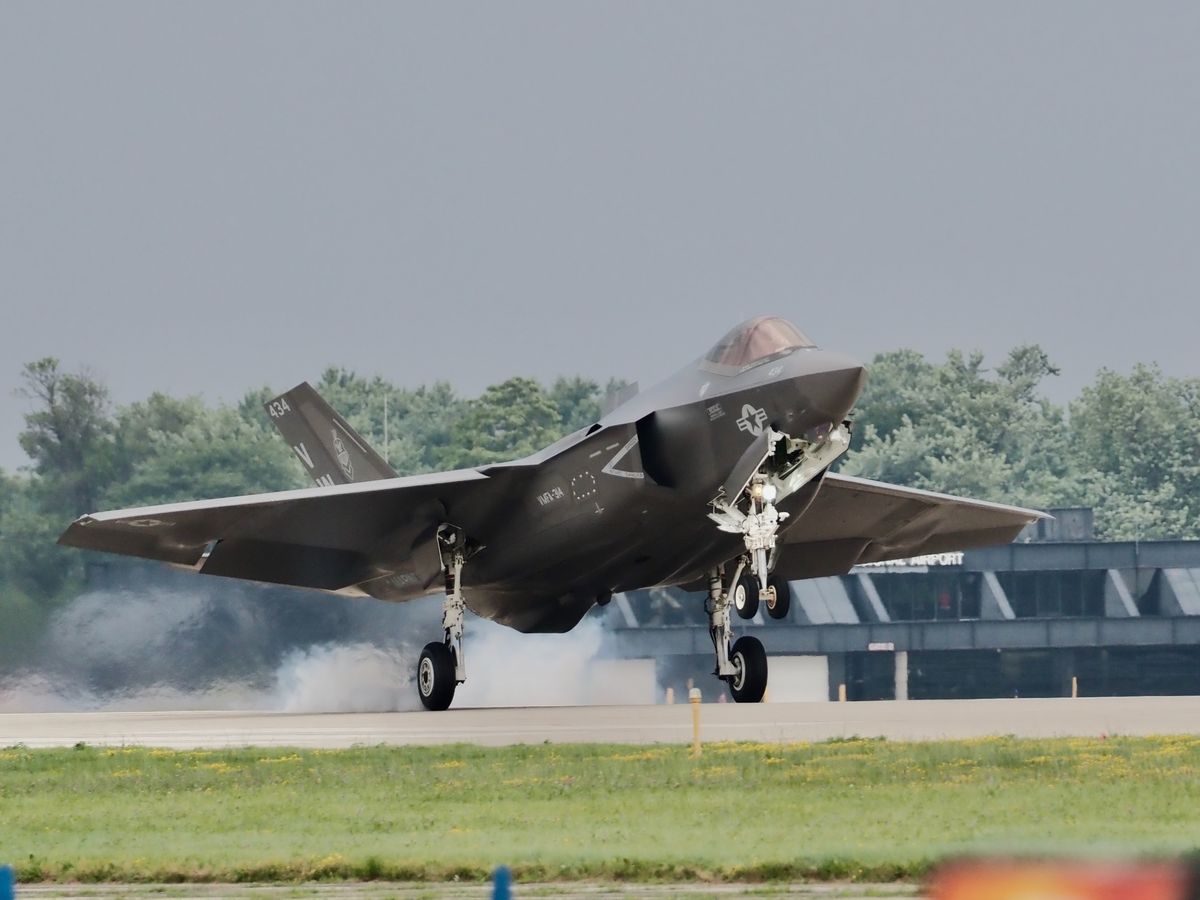
The Israeli Ministry of Defense and the Israel Defense Forces intend to request official information regarding the classified American F-47 sixth generation fighter jet manufactured by Boeing. The move comes as defense officials evaluate long term regional threats and review foreign export policies surrounding advanced aerospace technology.
While the United States historically refused to sell the strategic F-22 air superiority fighter to any foreign nation, recent signals from Washington suggest potential policy changes regarding the F-47. White House officials previously indicated that Japan might participate in the program, prompting Israeli defense leaders to explore whether allied nations could eventually acquire the platform.
Israel is currently proceeding with scheduled procurements of F-35 and F-15 fighter aircraft to maintain immediate operational readiness. However, military planners seek to gather preliminary data on the F-47 to evaluate its technical capabilities and assess whether US export rules will differ from previous restrictions applied to the F-22.
The Boeing F-47 development project remains under heavy security clearance as engineers work on a new sixth generation propulsion system. The engine program faces initial development challenges due to strict Department of Defense requirements, including extended flight ranges reaching at least 2,000 kilometers without refueling, matching operational radii required for distant targets in Iran, Iraq, and Yemen.
The sixth generation platform features significantly increased payload capacities compared to the F-35 aircraft currently in service. Total unit costs will depend on final order volumes from the US Department of Defense and whether foreign partner nations are permitted to join the manufacturing program.
Advanced features planned for the F-47 include integrated artificial intelligence systems and the ability to launch and control autonomous drone systems housed inside its main bay. Western defense analysts indicate that specific configurations of the aircraft could potentially operate entirely via remote control.
The platform design places strong emphasis on multi domain connectivity across air, sea, ground, and space communications networks. Designers are also focusing on superior aerodynamic performance, unique stealth coatings, and reduced long term maintenance costs compared to older F-22 and F-35 airframes.
Foreign defense publications indicate that initial test flights for the F-47 aircraft are scheduled to begin in 2028.