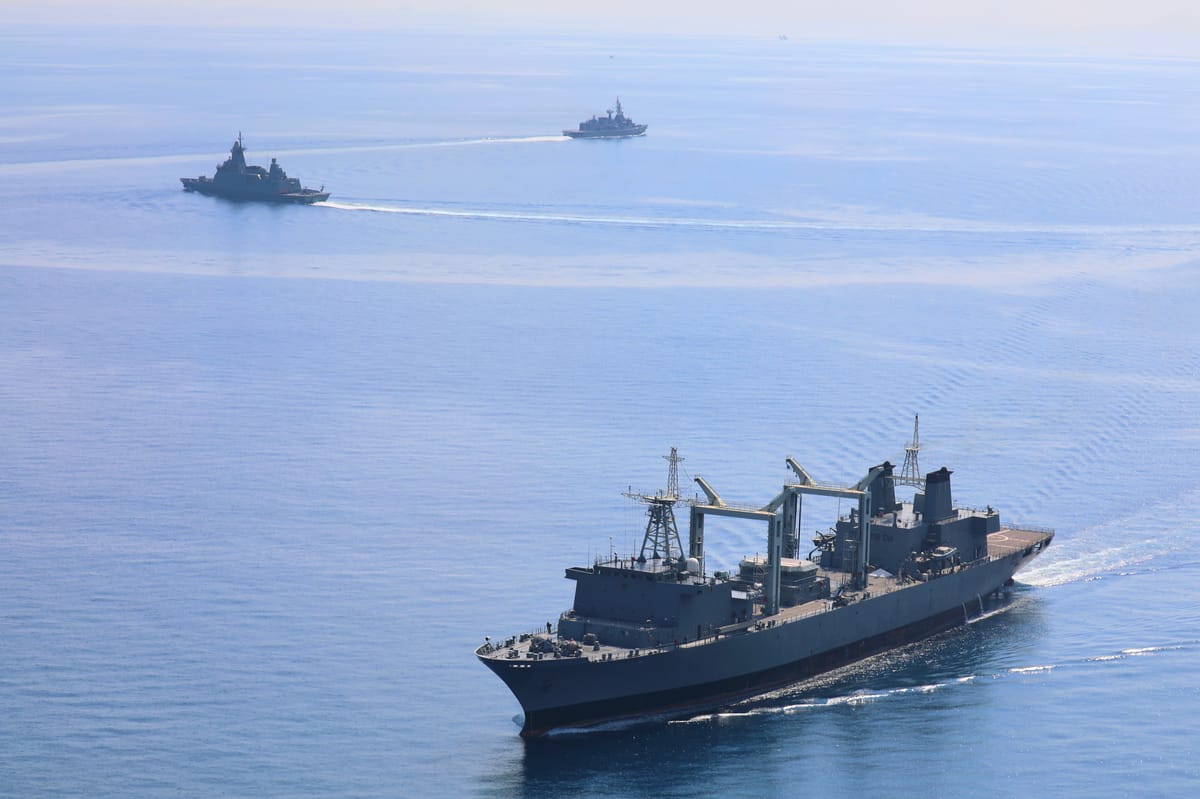
Eight US Marines were injured in an Iranian cruise missile strike on a maritime vessel operating in the Strait of Hormuz on September 14, NBC News reported Sunday, citing three US officials. The attack had not been publicly disclosed until now.
According to the officials, the Marines were not seriously injured, but they sustained smoke inhalation and possibly traumatic brain injuries, and they had symptoms of concussions, such as headaches. Seven of the Marines were enlisted personnel and one was an officer. All returned to duty shortly after the attack, which occurred while they were serving as part of a battalion landing team.
They were not aboard a US Navy ship, and officials declined to identify the type of vessel. The Defense Department did not disclose the Sept. 14 attack at the time, and US Central Command declined to comment. The Defense Casualty Analysis System added the eight Marines to its list of injured troops nearly 10 days after the attack, on Wednesday, according to NBC.
The incident adds to a growing toll on American forces. Pentagon data showed 861 US service members had been injured in the war with Iran as of Wednesday. Iran closed the Strait of Hormuz shortly after the US and Israel launched their war on February 28.
US forces have since been enforcing a naval blockade on vessels attempting to enter or leave Iranian ports through the Strait of Hormuz. The blockade, first imposed in April, involves coordination with commercial vessels to facilitate safe passage through multiple designated shipping lanes. US forces are also continuing efforts to intercept Iranian projectiles and clear the lanes of mines, and commercial traffic through the strait has gradually increased after activity there had largely stalled.
The disclosure comes days after President Donald Trump turned down Tehran's latest diplomatic overture. Iranian Foreign Minister Abbas Araghchi said Friday that under Tehran's proposal, Iran would reopen the Strait of Hormuz and resume talks on its nuclear program in seven days if the United States lifts its naval blockade of Iranian ports, waives sanctions on Iranian oil sales and observes a ceasefire that would include Lebanon.
Trump dismissed the offer on Saturday. "I rejected their deal," he said, arguing that Iran wanted the strait reopened because it has no money coming in. US Ambassador to the United Nations Mike Waltz told CNN on Sunday that Trump rejected the proposal because he does not believe Iran was negotiating in good faith, arguing that it was unacceptable that Iran was "asking for everything up front."
Despite the rejection, Trump told Axios on Sunday that he expects more talks with Iran to occur this week. He also said he hasn't ruled out more military strikes on Iran before the midterm elections in November.
Tensions in the waterway continued over the weekend. Iran's Revolutionary Guards said on Sunday that they seized an American submarine drone in the Strait of Hormuz, identifying the model as a Remus 600 autonomous underwater vehicle. The US has not publicly confirmed the claim.