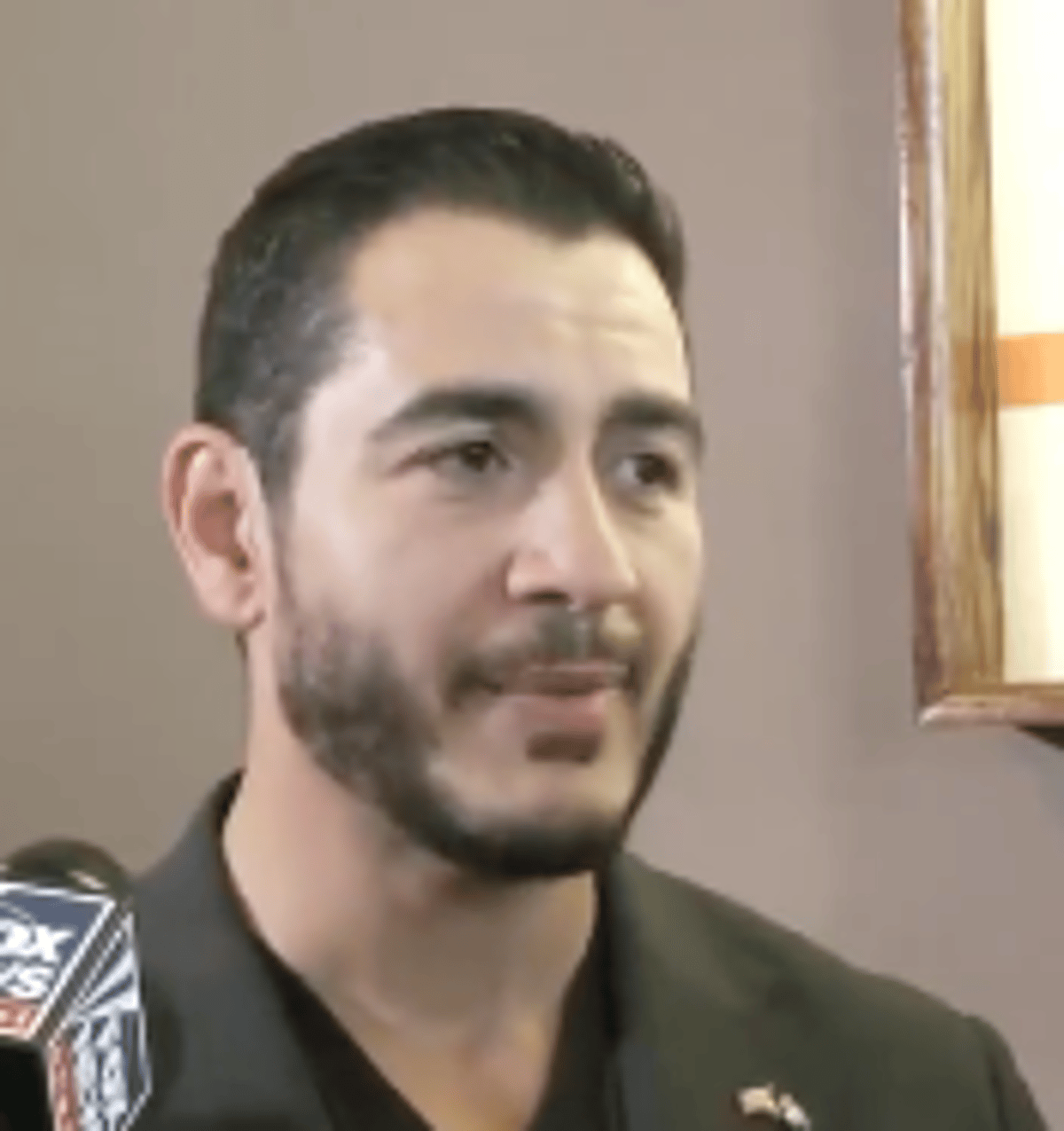
Abdul El-Sayed faced Jewish voters Saturday with an apology five months overdue. The Michigan Senate nominee admitted he bungled his response to a March attack on a synagogue outside Detroit, a misstep that has shadowed his campaign and cost him support in a race that could determine control of the Senate.
The attack happened on a Tuesday afternoon. A man named Ayman Mohammad Ghazali drove his car into Temple Israel in West Bloomfield, opened fire on a security guard, then died by suicide during the exchange with police. Ghazali, a naturalized U.S. citizen, had lost four family members in an Israeli airstrike in Lebanon the week prior.
El-Sayed put out a video statement condemning the attack. That part was fine. But then he added something else: "hurt people hurt people." He also brought up the context—the Israeli strikes in Lebanon, what Ghazali's family had experienced. Many Jewish voters read it as excusing the violence.
It wasn't subtle. And it stuck around. Jewish Democrats in Michigan, already nervous about a progressive candidate who'd been appearing with controversial commentator Hasan Piker, saw it as a sign El-Sayed didn't take antisemitism seriously. Some distanced themselves from his campaign.
On Saturday, at a Michigan Democratic Party convention in Lansing, El-Sayed faced the state's Jewish Democratic Caucus head-on. He said what he should have said months ago: "I made a mistake."
"I should have issued a statement condemning it and it just should have been the full stop," he told them, according to reporting from multiple outlets. He tried to explain that he was trying to provide "context" and that conversations about broader violence "can happen in the fullness of time." But he acknowledged: "Sometimes you can't really see context in the moment of acuity or pain."
He also told the group: "Nobody deserves to have their pain trampled on."
It's an attempt to salvage a relationship that fractured months ago. El-Sayed faces Republican nominee Mike Rogers in what's become one of the nation's most watched Senate races. In a state where Jewish voters have historically been influential in Democratic primaries, an apology might help him recover some ground. But five months is a long time to wait to say you were wrong.