Iranian Foreign Minister Abbas Araghchi struck a confrontational tone Thursday evening, formally accusing Israel of orchestrating a drone strike against two US-owned liquefied natural gas vessels at Egypt's Mediterranean port of Damietta on Wednesday, while simultaneously warning of what he called Israeli "false flag operations" designed to destabilize the region.
Yet the Iranian accusations appeared to contradict the very messaging that emanated from Tehran just 48 hours before the attack. On Tuesday, Iranian state television had explicitly named Damietta as a potential target for retaliation against Ukrainian interests, following Kyiv's strike on an Iranian vessel in the Caspian Sea over the weekend.
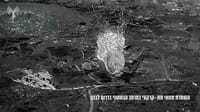
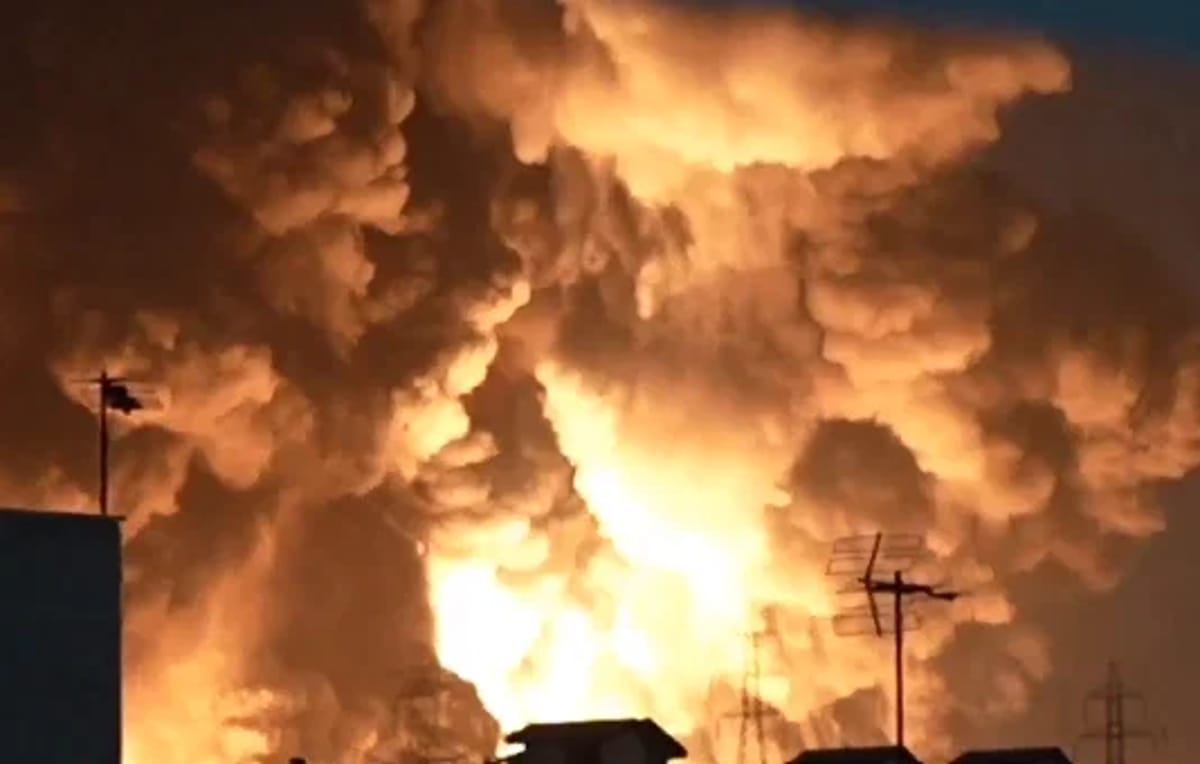
The drone strike hit the Energos Winter, a US-owned and operated floating storage and regasification unit, triggering a fire that spread to a second vessel, the Gaslog Salem. No one has claimed responsibility for the attack, which Egypt's cabinet confirmed Thursday morning was caused by a drone. Both crews were evacuated without reported injuries, and the fire was brought under control.
Araghchi's remarks, posted to the social media platform X, were unambiguous. "Egypt is an important partner and ally, and its security is of utmost importance to us," he wrote. "We must remain vigilant against Israeli conspiracies and false flag operations designed to undermine regional peace."
He added: "The threat is clear, mutual, and we are concerned about Muslim solidarity," a formulation that stressed the risk of a broader regional conflagration. The statement came amid escalating tensions across the Middle East, with military strikes and threats intensifying between Iran, Israel, and their respective allies.
But the timing of Iran's blame raises questions. Two days before Wednesday's attack, Tehran's state broadcaster had put Damietta front and center in Iranian revolutionary rhetoric. Announcers characterized the Egyptian port as "a gateway for gas exports to Europe" and flagged it as a potential site for retaliation operations against Ukrainian interests. The specificity of that broadcast, combined with the port's prominence in Iran's strategic calculus regarding Ukraine, made Iranian messaging about retaliatory intentions difficult to ignore.
The incident marks the first attack on Egyptian soil since the United States and Israel launched military operations against Iran in February 2026. It represents a widening of conflict beyond direct Iran-US confrontation into regional economic infrastructure, with potential spillover effects on global energy markets.
Egypt's response has been cautious. The Egyptian cabinet said it would take "necessary measures" to protect Egypt's interests and national security but stopped short of naming any aggressor. Egypt's Petroleum Ministry initially confirmed only that a fire had broken out at the port, without specifying the cause.
Maritime security firm Ambrey identified the strike as a drone attack, as did British maritime risk management company Vanguard, which reported that the Energos Winter was struck on its starboard side by an unidentified projectile. Multiple security sources told media outlets that examination of the wreckage established the attack had been carried out by at least two drones.
The geopolitical stakes are significant. The Damietta terminal is one of Egypt's principal gas import facilities. The attack disrupted operations and forced both vessels to move offshore for assessment, with energy analytics firm Kpler noting that operations at the terminal had been "disrupted" by the incident.
Araghchi's immediate pivot to blaming Israel, combined with Iran's state television messaging just two days prior, created a narrative tension that regional analysts said was difficult to reconcile. One interpretation holds that Iran is using the incident to triangulate blame away from itself while maintaining messaging about retaliation. Another suggests confusion or miscalculation within Iranian security apparatus about which attack was being conducted where.
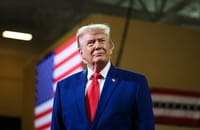
US President Donald Trump said he had been briefed on the incident but did not immediately assign blame or announce retaliatory measures. The Trump administration has been coordinating with Israel and regional allies on responses to Iranian provocations, and the Damietta attack could trigger renewed escalation calculations in Washington and Jerusalem.
No organization or state has claimed responsibility for the drone strike, leaving the question of attribution unresolved and the field open for Iranian accusations, Israeli denials, and further speculation about which actor in the Middle East's crowded theater of conflict ordered the operation.