Former Israeli Prime Minister Naftali Bennett issued a sharp response Monday evening after haredi activists were filmed admitting they received money to vote for a predetermined slate of candidates in the Likud party's primary election. The activists made the admission in an interview with Kikar Hashabbat, a haredi news outlet. "This is what the election is about. This video proves what we've seen for four years: Likud has become the executive arm of Deri," Bennett said, referring to Shas party leader Aryeh Deri. "There is no Bibi without Deri, and no Likud without Gafni," he added, also naming United Torah Judaism leader Moshe Gafni.
Likud Primary Controversy
Bennett Slams Likud Over Primary Scandal
Naftali Bennett says video of haredi voters admitting they were paid to vote in Likud primary proves the party is "beholden to draft dodgers"
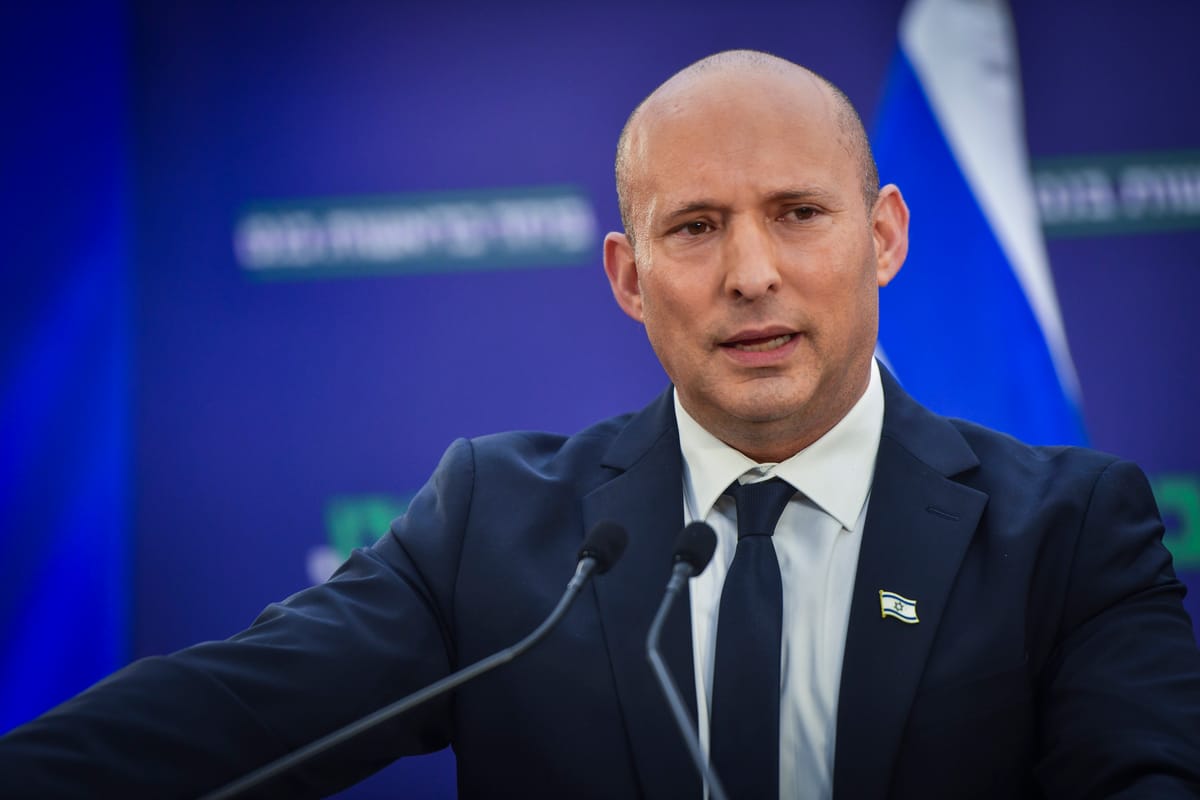

Bennett argued that Likud's dependence on what he termed "anti-Zionist parties" forces the party to prioritize those who avoid military service over those who serve. "Likud is dependent on anti-Zionist parties and therefore is beholden to draft dodgers and abandons those who serve," he stated. "We don't owe anything to anyone, only to Israeli citizens who serve and work. That's why with us, whoever doesn't enlist won't receive a shekel from the state. Together we'll fix this," Bennett declared.
The controversy erupted after two young haredi men who came to vote in the Likud primary today told reporters they had been paid and given a prepared list of candidates to support. Speaking with Yossi Abdo, a Kikar Hashabbat correspondent, they acknowledged they were unfamiliar with most of the names on the list and had no intention of voting for Likud in the actual Knesset elections. "I came to vote, honestly I'm not interested in politics or anything, but they paid me money," one said. When asked who paid him, he declined to name names: "We won't mention names, so there won't be chaos." He explained that "Likud representatives send people, payment, to vote. To gain votes." He added: "I'm a haredi who came to vote, but not necessarily for someone haredi. I vote for whoever paid me." One activist said he received 400 shekels (approximately $110). His companion claimed he received a higher amount but didn't specify how much. He later pulled the list from his pocket and read off the candidate numbers he had marked, including numbers 103, 105, 143, 122, 125, 126, 127, 128, 133, 138, 144, and 208 on the national list, as well as number 315 in the Jerusalem district.
interview with young Haredim| צילום: Kikar Shabbat