Get our mobile app
Download on the App StoreGet it on Google Play

Drone Warfare Innovation

Russia's Mirror-Covered Vehicle vs AI Drones

Footage shows Russian military vehicle covered entirely in reflective panels in apparent attempt to evade autonomous drone detection systems

Russian Forces Cover Vehicle in Mirrors to Confuse Ukrainian AI Drones

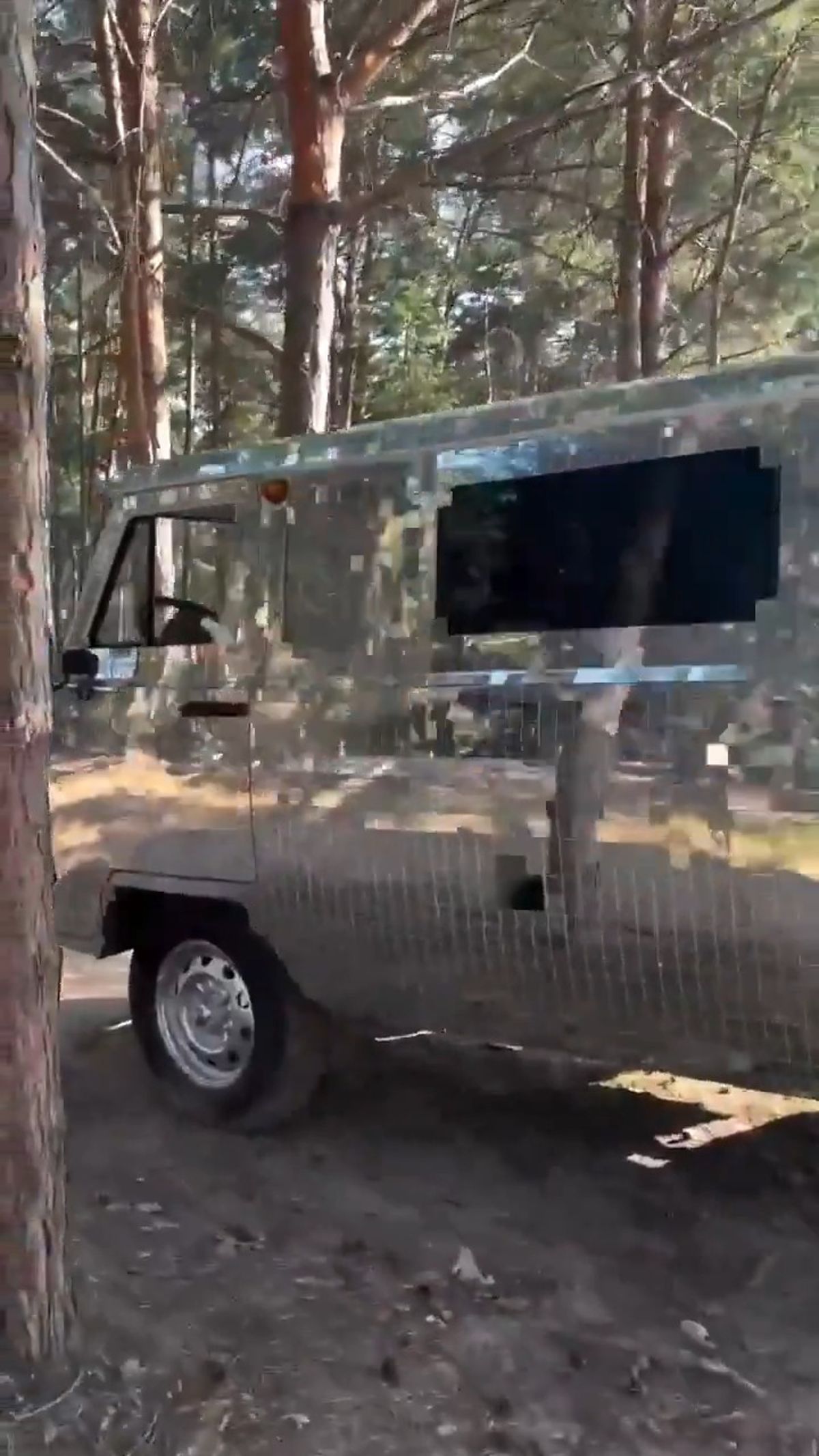
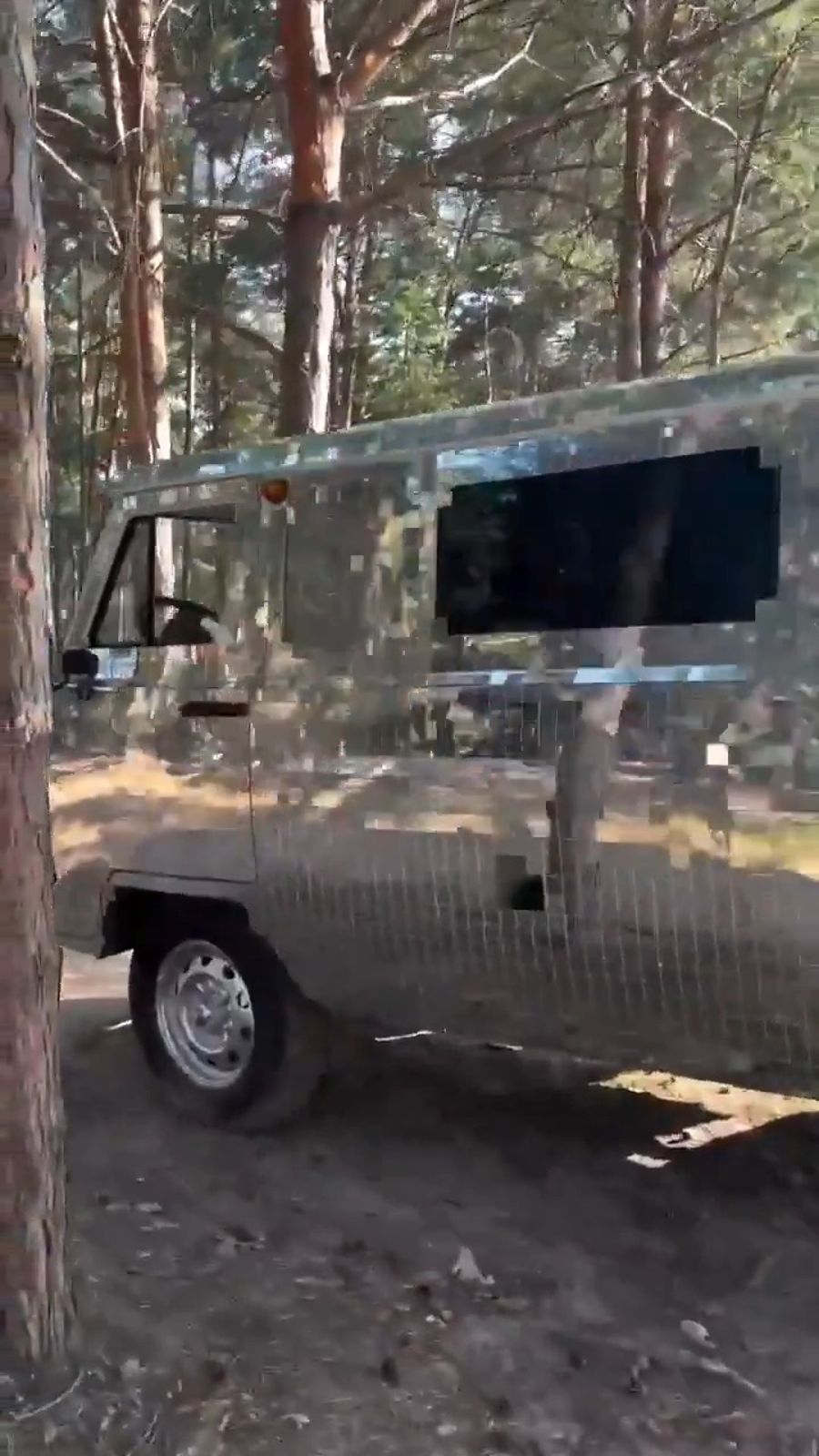
Recent footage circulating on social media reveals an unusual improvised defense tactic by Russian forces against Ukrainian drone threats: a UAZ-452 "Bukhanka" utility vehicle, nicknamed "loaf of bread" for its boxy shape, completely covered in mirror panels or reflective material.

The video, filmed in a forested area, shows the vehicle reflecting its surroundings so prominently that online observers dubbed it a "mobile disco ball." According to reports from open-source intelligence (OSINT) accounts, this represents an attempt to defend against Ukrainian drones that use optical guidance or artificial intelligence systems for target identification.

The theory behind the modification: changing reflections and shiny surfaces might confuse the automatic detection algorithms used by drones, particularly AI systems that identify vehicles based on consistent shape and color patterns.


The Bukhanka, a Soviet-era utility vehicle produced since the 1960s, has become widespread among Russian forces on the Ukrainian front for transporting troops and supplies. While relatively inexpensive and durable in rough terrain, the vehicle is highly vulnerable to FPV (first-person view) drones and autonomous drones that have become a major battlefield threat.

In recent years, these vehicles have been seen with numerous improvised modifications: anti-drone cages, metal spikes, electronic warfare systems, and even spinning rotors. Experts and observers question the effectiveness of the mirror panels. Rather than concealing the vehicle, the reflections make it highly conspicuous in daylight and could actually attract attention from human drone operators. Some online commentary describes it as a "creative but likely ineffective idea," while others view it as another attempt to cope with the rise of autonomous drones.

The phenomenon fits into a broader pattern of field adaptations by both sides in the war, where drones have become a central weapon.

Russian forces have begun using "ambush drones" equipped with sensitive microphones that wait in the field, listening for engine noise before launching attacks. This new tactic makes movement along supply roads even more dangerous.

Ukrainian forces, meanwhile, have developed their own methods for countering drone threats. Recently released footage showed Ukrainian soldiers intercepting a Russian drone in the night sky using concentrated fire from small arms, employing tracer rounds for precise targeting.

The video of the mirror-covered vehicle spread rapidly on platforms like X (formerly Twitter), garnering thousands of views and discussions about improvised battlefield innovation. There has been no official Russian confirmation or detailed reports on field effectiveness, but the phenomenon illustrates the desperate efforts by both sides to adapt to a new reality where cheap, accessible drones have become a lethal threat to vehicles and combatants.

Ready for more?

Join our newsletter to receive updates on new articles and exclusive content.

We respect your privacy and will never share your information.

Enjoyed this article?

Yes (46)
No (2)
Follow Us:

Unmissable content


Loading comments...

Also of Interest