Get our mobile app
Download on the App StoreGet it on Google Play

Public Health Alert

West Nile Virus Found in Central Israel

Health and environmental authorities warn 320,000 residents after infected mosquitoes detected in multiple communities. Seventeen cases diagnosed this year, including one fatality.

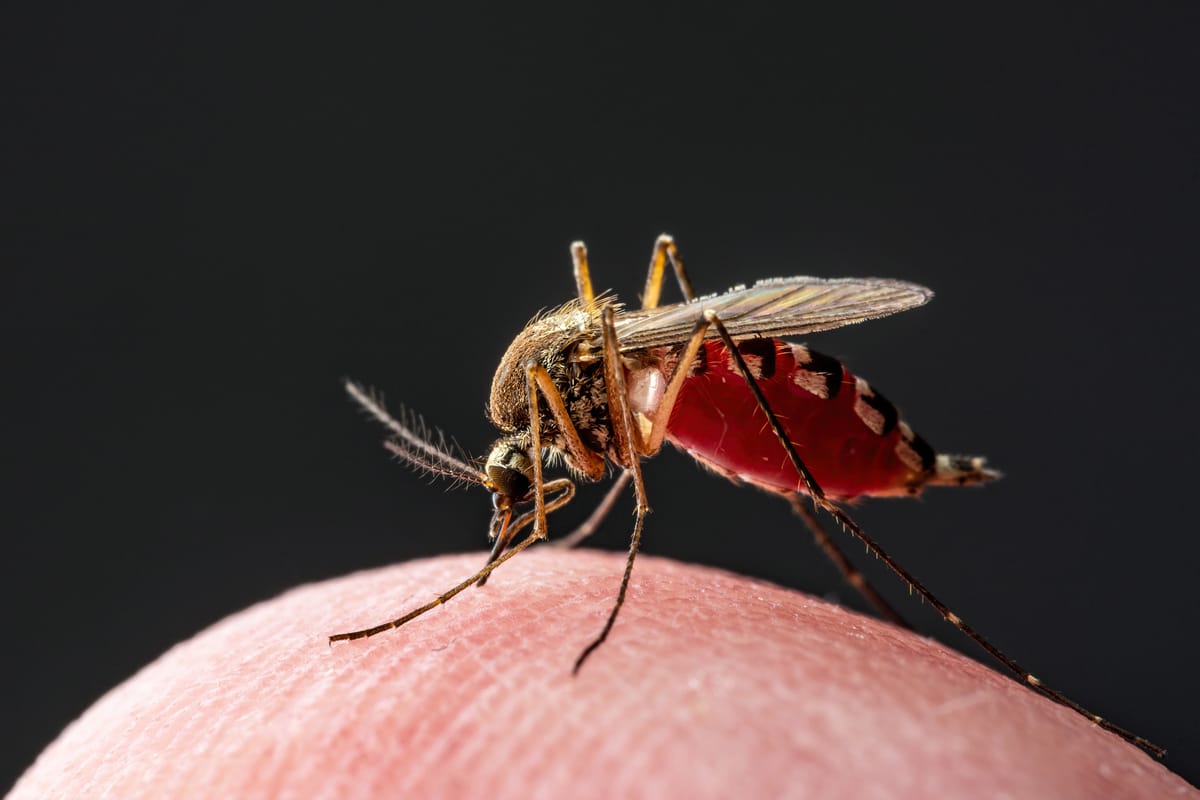
The dangerous mosquito, illustration

Israel's Ministry of Health and Ministry of Environmental Protection have issued warnings to approximately 320,000 residents across central Israel following the discovery of mosquitoes carrying West Nile virus in populated areas. The infected insects were trapped in Petah Tikva, Kfar Qasem, Kfar Bara, Ben Gurion Airport, and the Brenner and Central Arava regional councils.

Since the start of this year's active season for the virus, seventeen people have been diagnosed with West Nile fever in Israel. One patient, a man in his seventies who developed symptoms in mid-July, has died from complications of the disease. Another individual remains hospitalized.

Dr. Shai Reicher, head of the Pest Control Division at the Ministry of Environmental Protection, cautioned that the findings "indicate an increased risk for people to be exposed to the virus through a bite from a mosquito carrying it." His ministry has directed local authorities to expand monitoring and pest control operations, particularly in areas where infected mosquitoes have been found.

Professor Sigal Sadetzki, head of the Public Health Division at the Ministry of Health, emphasized that the risk of significant illness is considerably higher among people aged 60 and above. "It is especially important for this population to adhere to preventive measures," she stated.

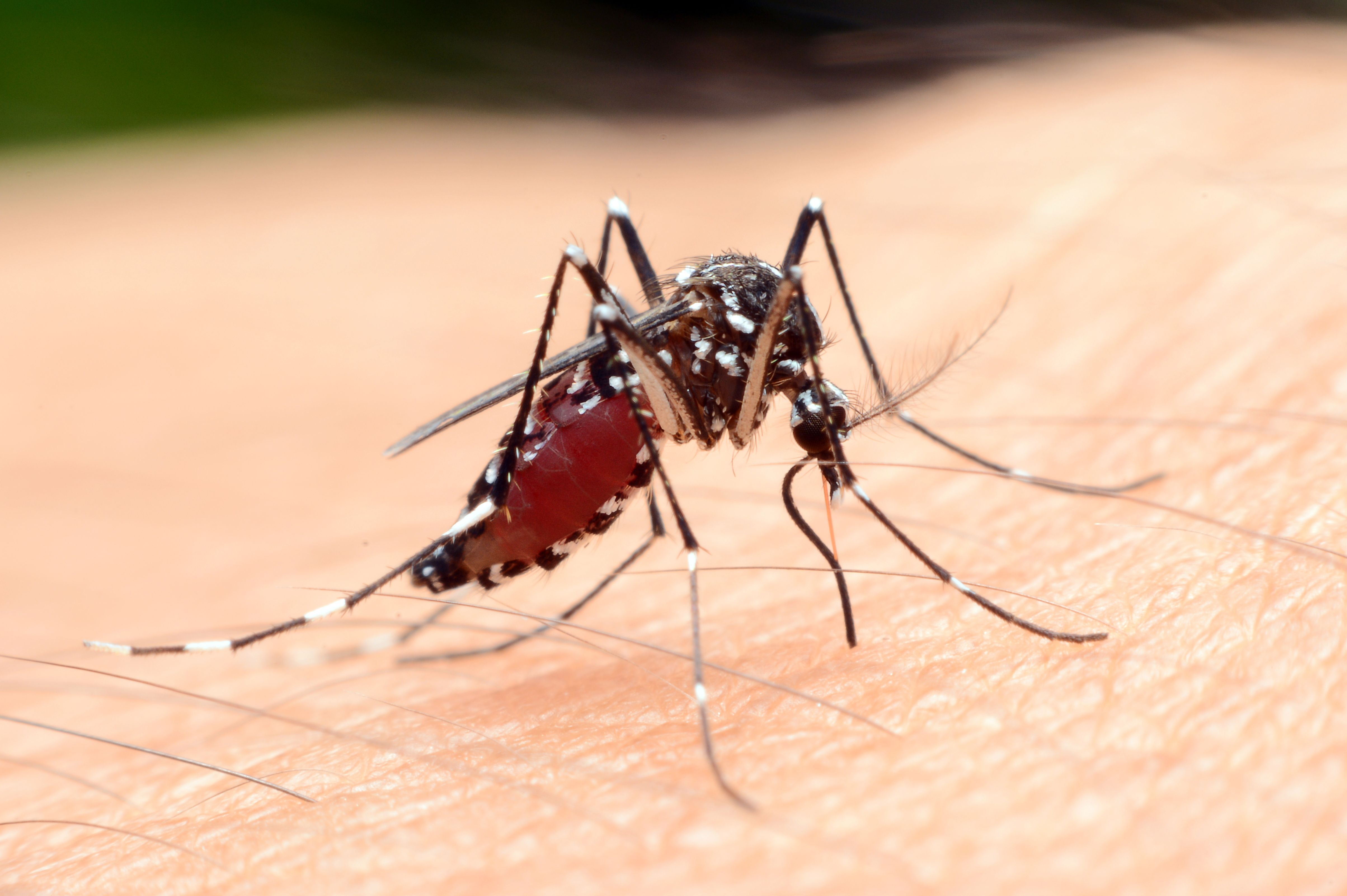
West Nile fever is transmitted through the bite of a Culex mosquito that has previously fed on an infected bird. Approximately 80% of those infected develop no symptoms at all. Around 20% experience fever, rash, muscle pain, and fatigue. Less than one percent develop severe neurological complications, encephalitis or meningitis, which can be particularly dangerous for elderly individuals and those with underlying medical conditions.

Mosquito
Mosquito (Shutterstock )

Health Ministry officials stressed that in most cases the illness is mild, though in exceptional instances it can cause serious complications. Importantly, the virus does not spread from person to person, and the disease cannot be transmitted back from humans to mosquitoes.

Current figures are significantly lower than summer 2024, when Israel experienced its most severe outbreak in two decades. That year saw more than 930 confirmed cases and 73 deaths. Most victims were people over 60 from central Israel, and the disease began earlier than usual, likely due to an unusually warm and humid spring and summer.

Health and environmental authorities recommend several steps to reduce risk: eliminate all sources of standing water, even small puddles in plant pots or buckets in yards; use approved mosquito repellent; install screens on windows; wear long, light-colored clothing during dusk hours; and use fans in living spaces, as mosquitoes dislike wind.

Local authorities have been instructed to expand monitoring and control efforts. The public is asked to report hazards and sources of standing water to local councils. As officials noted: "Knowledge and proper behavior are more effective than panic."

Ready for more?

Join our newsletter to receive updates on new articles and exclusive content.

We respect your privacy and will never share your information.

Enjoyed this article?

Yes (31)
No (1)
Follow Us:

Unmissable content


Loading comments...

Also of Interest