Mediators are expected to hold separate talks with the United States and Iran on Monday or Tuesday over an amended version of Tehran's proposal to reopen the Strait of Hormuz, Reuters reported, citing sources briefed on the negotiations.
Iranian Foreign Minister Abbas Araghchi and Qatari mediators are remaining in the United States for the discussions, which will focus on a revised version of the seven-day plan Iran presented on the sidelines of the UN General Assembly. Iran's IRNA news agency reported that Araghchi and Iran's negotiating team were expected to meet Qatari mediators in New York on Monday.
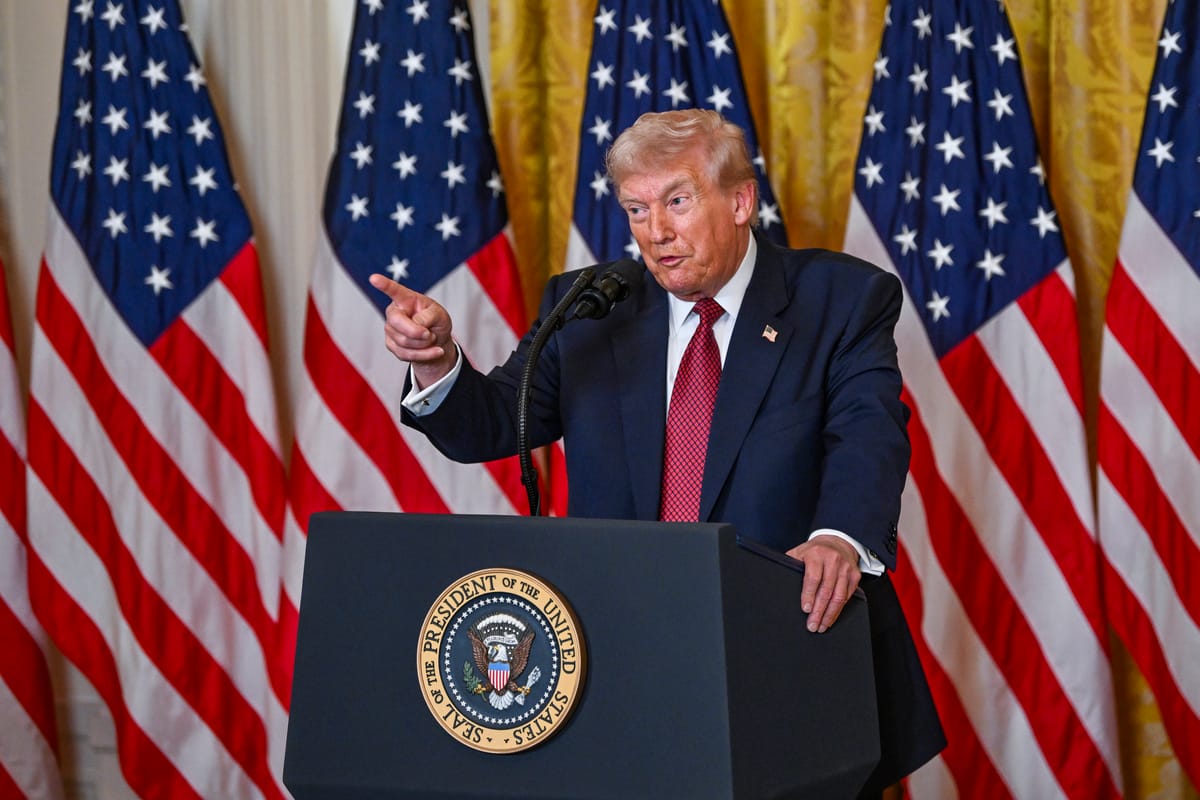
President Donald Trump rejected the original proposal on Saturday, but told Axios on Sunday that he expects more talks with Iran this week. Under the plan, Iran would reopen the strait and resume nuclear talks within seven days if the US lifted its naval blockade of Iranian ports, waived sanctions on Iranian oil sales and observed a ceasefire that would include Lebanon. US Ambassador to the UN Mike Waltz said Trump turned it down because Iran was "asking for everything up front."
The diplomatic push comes as the US-led effort to keep oil moving through the strait gains ground. Flows have risen to about 13 million barrels a day, roughly double the level of less than a month ago, according to figures reported by Fortune, though still below the roughly 20 million barrels a day that passed through before the war. US officials have cited higher daily figures. Part of the increase reflects Saudi Arabia shifting exports back through the Gulf.
US Central Command said Monday that Iran does not control the Strait of Hormuz and no longer has a navy because US forces sank it, rejecting a claim by a Revolutionary Guards commander that Tehran holds full control of the waterway.
Tehran has kept up its defiant tone. Araghchi told NBC's "Meet the Press" on Sunday that Iran would stand firm against any aggression, "even if it comes to a doomsday war," and said any progress toward reopening the strait depends on Washington meeting Iran's conditions, which include ending the war, releasing frozen Iranian assets and allowing Tehran to sell its oil.