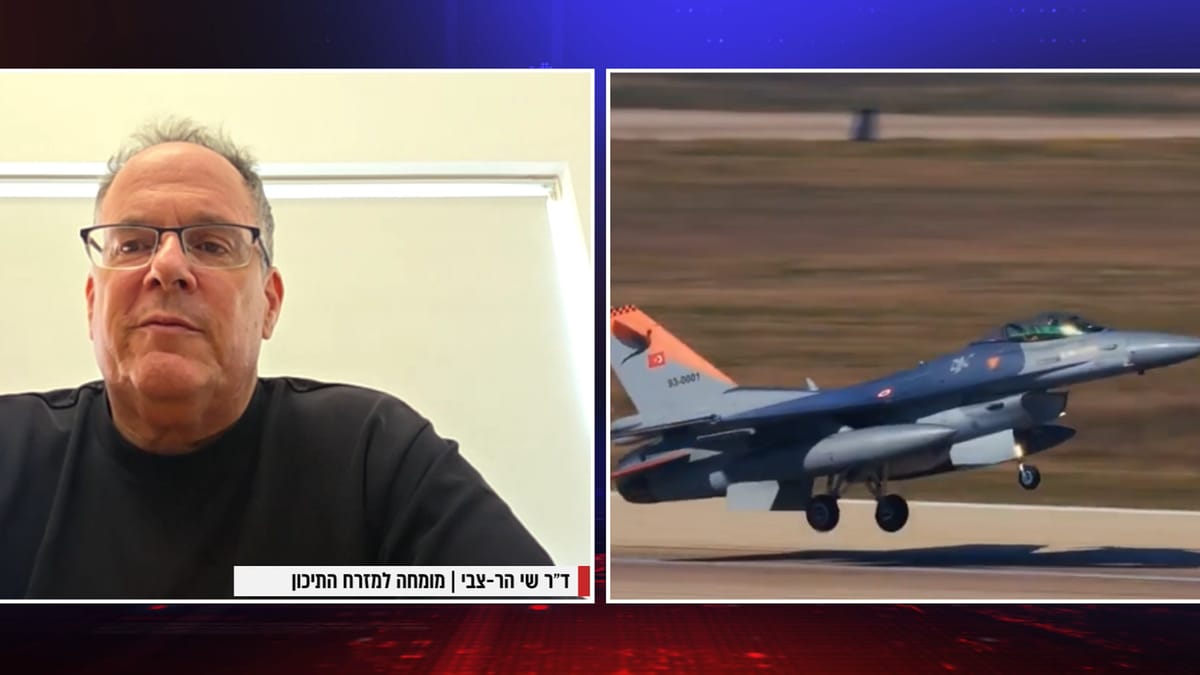
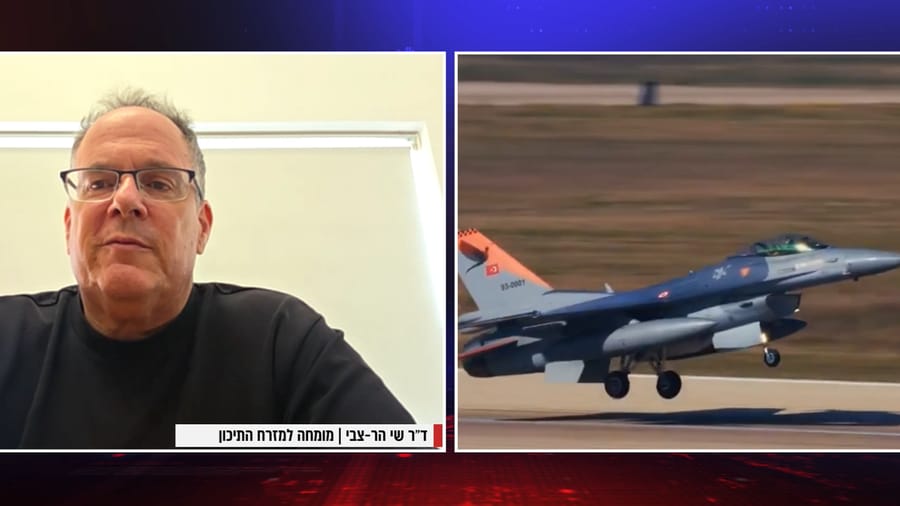
The complex confrontation with the Islamic Republic of Iran has reached a critical juncture amid the American administration's maximum pressure policy. In an interview with Yossi Sergobsky, Dr. Shai Har-Zvi, head of the International and Middle East arena at the Institute for Policy and Strategy (IPS) at Reichman University, explained that President Trump's current strategy focuses decisively on the economic sphere while deliberately avoiding renewed large-scale military engagement. The administration understands that the most effective path to forcing flexibility in Iran's leadership runs through tightening the economic noose around Tehran's neck.
The consequences of American sanctions are clearly visible on Iranian streets and are driving an increasingly severe humanitarian crisis. According to the analysis presented, the economic distress has reached catastrophic proportions. Citizens are experiencing acute shortages of basic goods, cannot purchase medications or food, and there are even reports of extreme phenomena such as organ sales to survive.
Despite this grim domestic reality, the Revolutionary Guards and the regime's leadership continue to display a rigid and stubborn line, showing no willingness to yield to American dictates. The central dilemma hovering over Tehran is the breaking point: whether and when public distress will translate into widespread popular uprising in the streets, similar to past events but with intensity that could threaten the regime's stability, or whether the cracks and despair will first seep into the ranks of the military and the regime's own security apparatus.