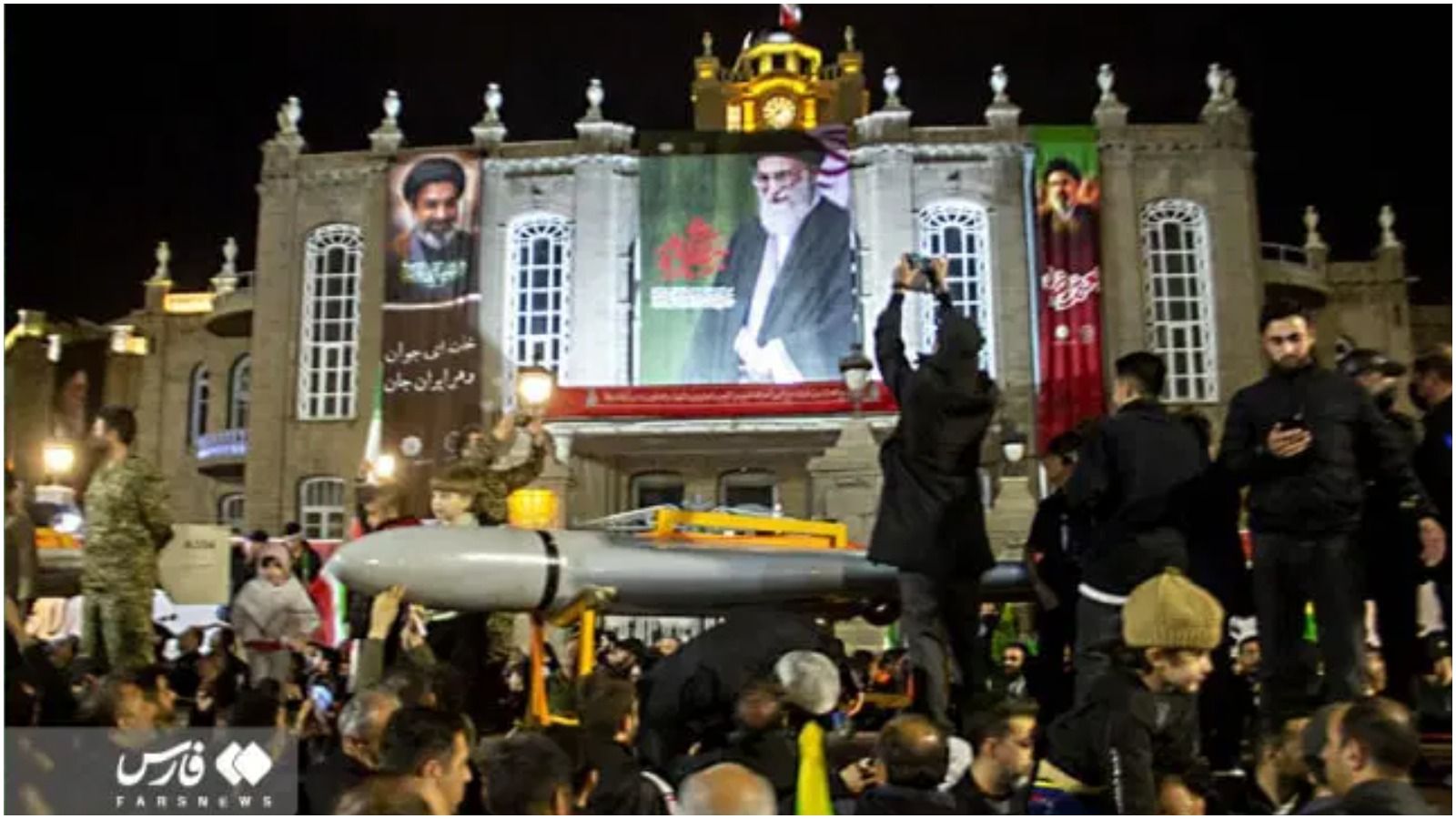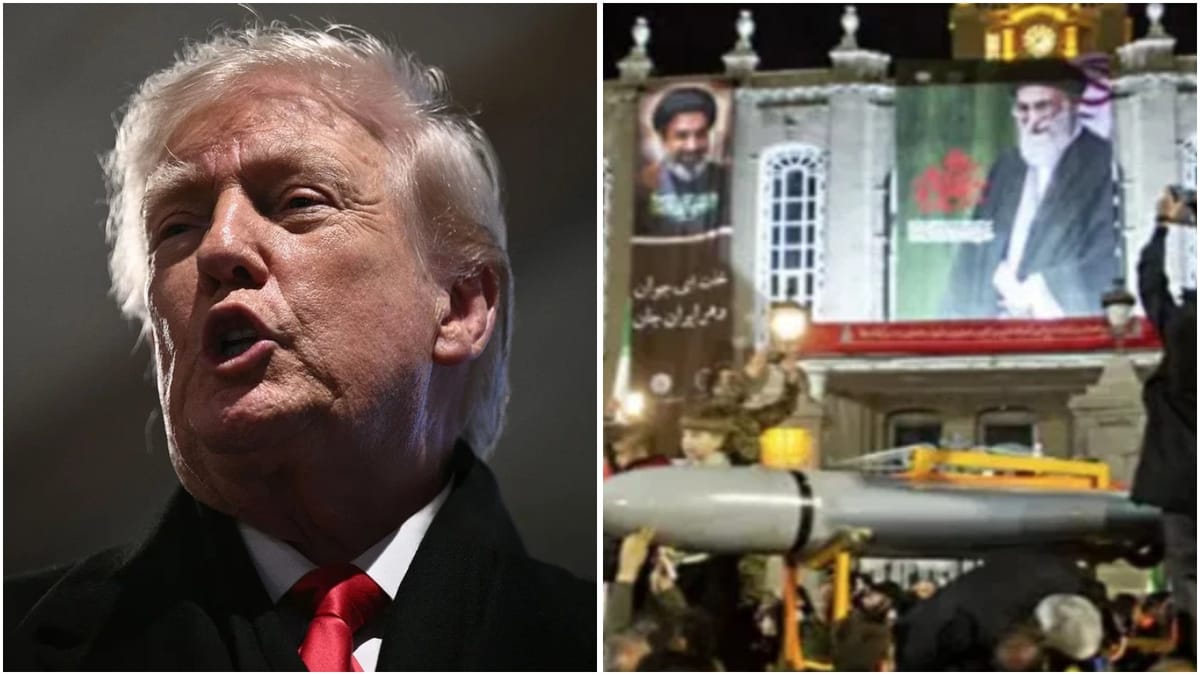
While the open and covert confrontation between the United States and Iran has proceeded at a relatively low intensity in recent weeks, behind the scenes the challenges facing the ayatollah regime appear to be mounting significantly.
Tehran is currently grappling with unprecedented economic strangulation, while simultaneously demonstrating an inability to disrupt commercial shipping through the strategic Strait of Hormuz.
After years of prolonged sanctions that weakened the Iranian economy, the country now faces what may be the greatest economic challenge in its history. The combination of heavy American sanctions and a naval blockade imposed on its ports threatens to completely paralyze domestic industry.
Senior figures in the Iranian leadership, including President Masoud Pezeshkian, have recently issued public warnings about the crisis's implications. Iranian Parliament Speaker Mohammad Bagher Ghalibaf acknowledged on Sunday with unusual candor that "Iran's central battle now is around production and the livelihood of citizens." Meanwhile, three senior Iranian officials told Reuters that Tehran is finding it increasingly difficult to evade sanctions and export oil in the face of the American campaign.
Iran's economic challenge is intensifying given its inability to create "bargaining chips" by blocking oil passage through the Strait of Hormuz. The U.S. administration is conducting an extensive military operation to escort merchant vessels, successfully thwarting Iranian threats and attacks. Oil is being transported safely through the strait and then distributed worldwide by tanker ships.
These measures, alongside alternative transportation routes developed by Gulf states, have succeeded in stabilizing global oil prices around $90 per barrel, a price point that allows the U.S. to continue economic pressure without causing severe damage to the global market.