Likud Primary Battle

Court Blocks Likud Primary Rule Change

Tel Aviv District Court upholds internal party tribunal's decision to bar sitting and former ministers and lawmakers from competing in regional slots

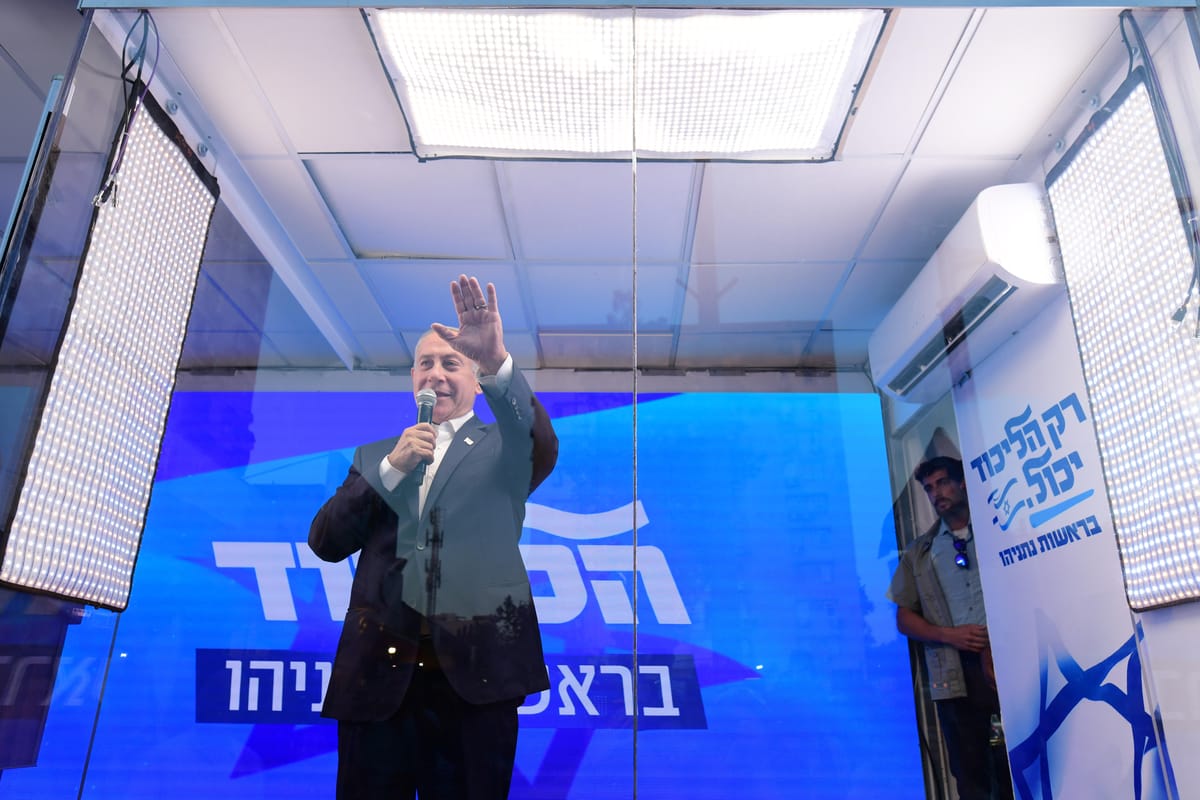
Netanyahu campaigning

A Tel Aviv District Court has rejected an appeal challenging an internal Likud party ruling, effectively blocking sitting and former ministers and Knesset members from competing for regional slots in the party's upcoming primary elections.

Judge Yaakov Shaked dismissed the petition filed by Likud MK Afif Amin Abed against the party's Supreme Tribunal on Monday. The decision represents a significant setback for Prime Minister Benjamin Netanyahu, who had sought to open regional competition to senior party figures.

The controversy began on July 27, 2026, when Likud's party conference voted on an amendment to the primary election regulations. By a razor-thin margin, delegates approved allowing current and former ministers and lawmakers to compete in regional contests—slots traditionally reserved for newcomers to national politics.


Multiple petitions were subsequently filed with Likud's internal Supreme Tribunal challenging the conference vote. The tribunal ruled to nullify the decision, arguing it violated principles of equality toward new candidates. The tribunal characterized regional slots as a "nature reserve" and "incubator" for political newcomers. Additionally, the tribunal cited serious irregularities in the voting count and election integrity.

In his ruling, Judge Shaked criticized the party tribunal's reasoning on equality grounds. He determined that decisions about whether lawmakers may compete regionally constitute matters of party policy, properly left to the discretion of conference delegates. The judge clarified that the tribunal exceeded its authority by interfering with policy set by party voters.

Nevertheless, Shaked declined to overturn the tribunal's final outcome due to severe procedural flaws in the voting process itself. Key irregularities included: a text message sent on election day by the acting party director-general urging support for the amendment, constituting improper one-sided advocacy; significant delays in deploying poll observers, implemented only after 4:00 PM; and discrepancies in vote counts at various polling stations.

The most dramatic irregularity occurred at a polling station in Rishon LeZion, where five ballot envelopes went missing compared to the number of registered voters. Judge Shaked emphasized that the disappearance of exactly five envelopes—identical to the five-vote margin by which the amendment passed—could have directly affected the outcome, justifying the decision's cancellation.

Based on these findings, MK Abed's lawsuit and request for temporary relief were denied. No costs were awarded, given that the court accepted the petitioner's fundamental argument regarding authority to set party policy.

The ruling deals a blow to Netanyahu's efforts to expand his control over the composition of Likud's slate for the next Knesset. In recent days, various initiatives have emerged within the party ahead of the primaries, including a haredi (ultra-Orthodox) ideological caucus seeking to unite Likud members from the haredi community across different streams and circles.

Ready for more?

Join our newsletter to receive updates on new articles and exclusive content.

We respect your privacy and will never share your information.

Enjoyed this article?

Yes (27)
No (1)
Follow Us:

Unmissable content


Loading comments...

Also of Interest