Get our mobile app
Download on the App StoreGet it on Google Play

Israel Politics

Likud's Unpredictable Primary Race

A large number of sitting Knesset members competing for limited spots on the national list has lowered the threshold for election and created conditions for major surprises in Tuesday's vote

Bitan, Gotliv, Elkin

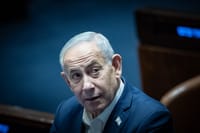
On the eve of Likud's primary election, Israel's ruling party finds itself in unprecedented turmoil. Two key decisions have fundamentally altered the dynamics of the race: Prime Minister Benjamin Netanyahu's extensive use of reserved slots for loyalists, and a party tribunal ruling that prevents sitting Knesset members from running in regional districts.

These factors have created a perfect storm. A large pool of incumbent lawmakers is now competing for a relatively small number of viable positions on the national list. At the same time, the minimum vote threshold needed to secure a realistic spot has dropped significantly.

If sitting members would have been allowed to compete in regional districts, the national ballot, limited to just 12 slots, would have been far less crowded. This would have enabled broader coalition-building among candidates, with voters selecting both regional representatives and national list members simultaneously. Such arrangements typically raise the vote threshold, benefiting incumbent ministers while pushing back newer members who cannot match their vote totals.

Instead, the current fragmentation means each candidate will likely receive fewer votes, setting the stage for significant upsets when Likud members cast their ballots.

How unpredictable might the results be?

On one side stands a group of ministers enjoying strong support among Likud's party members and possessing the organizational capacity for significant vote-sharing arrangements. This includes Eli Cohen, Yariv Levin, Amir Ohana, Shlomo Karhi, Miri Regev, Miki Zohar, Amichai Chikli, Ze'ev Elkin, and Yoav Kisch.

On the other side is a relatively large group of Knesset members and ministers who command considerable affection and respect among independent voters. This camp includes Tali Gottlieb, May Golan, Idit Silman, Moshe Saada, Boaz Bismuth, Ofir Katz, Hanoch Milwidsky, Amit Halevi, Keti Shitrit, and Avichai Boaron.

Beyond the overall competition, several internal battles are worth watching. One involves Likud's women candidates competing to be ranked as the first and third women on the list. The contest for first woman pits Miri Regev, who has significant achievements as transportation minister, against Tally Gotliv, who polls show enjoys the highest popularity among party members.

Both are likely to secure top women's positions, but May Golan, who led a transformation in budgeting for the Arab sector, Keti Shitrit, who has championed education issues, and Idit Silman, credited with enabling the current government's formation, are all strong contenders. Party members hold their work in high regard. Regardless of the outcome, three slots are reserved for women at positions 10, 20, and 25 on the list.

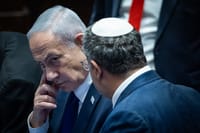
Another notable contest pits Knesset member David Bitan, who is highly popular in Likud circles and wields considerable influence in the Shephelah region, against Haim Katz. Though Katz himself holds a reserved spot, he commands a large organized base within Likud and has not forgotten their previous clash in the party tribunal.

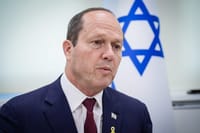
A particularly intriguing battle involves Nir Barkat, who found himself in a difficult position this week after reports emerged that he had allegedly sought to orchestrate a challenge to the prime minister during wartime. Barkat maintains a broad infrastructure among party voters, and it will be interesting to see how these revelations affect his final primary result.

An additional dimension to this story is the understanding that those who prevented the alleged challenge included Minister Haim Katz, who received a reserved list position, as well as Ministers Gideon Sa'ar and Ze'ev Elkin, who joined Likud and thereby helped complete a full term for the government. Sa'ar received a reserved spot, while Elkin—who effectively preserved Netanyahu's tenure as prime minister—is now competing in the upcoming primary.

Polling stations open Tuesday morning at 10:00 a.m., and four years of work will face the judgment of Likud's voting members.

Anyone wondering about the source of Likud's strength should examine the process this party has undergone over the past two months and learn what democracy looks like at its best. There are disputes and petitions, but ultimately everything is decided by the ballot box of the party's 150,000 members.

After this primary, it will finally be possible to say that the Knesset election campaign has officially begun.

Ready for more?

Join our newsletter to receive updates on new articles and exclusive content.

We respect your privacy and will never share your information.

Enjoyed this article?

Yes (48)
No (2)
Follow Us:

Unmissable content


Loading comments...

Also of Interest