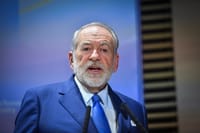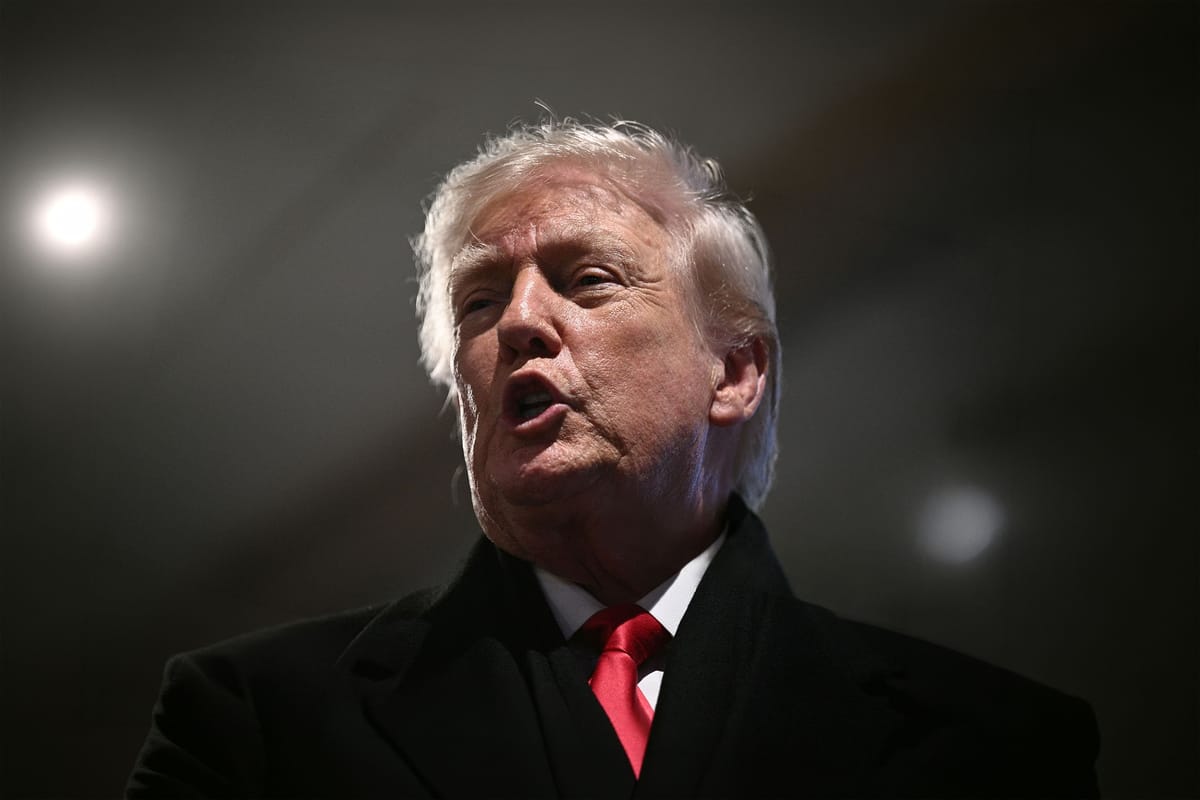
In mid-May, the American negotiating team encountered a significant obstacle in its efforts to reach an agreement and end the war. U.S. officials were unable to determine whether Iranian representatives truly spoke for the Islamic Revolutionary Guard Corps (IRGC), which has emerged as a dominant force within the country. To address this uncertainty, senior Trump administration officials reached out to Nechirvan Barzani, president of the Kurdistan Region of Iraq, who enjoys the trust of both Washington and Tehran, according to a report published today by journalist Barak Ravid.
The dramatic revelation underscores the complexity of negotiating with a state where the identity of actual decision-makers remains unclear. Although the United States and Iran reached a memorandum of understanding, it quickly collapsed. The Trump administration's challenge has been ensuring that talks are conducted with the parties who actually hold power, relying on intermediaries acceptable to both the White House and the Iranian regime.
The assassination of Supreme Leader Ali Khamenei, combined with 40 days of fighting and the absence of new leader Mojtaba Khamenei, strengthened the Revolutionary Guards' grip on power centers. After the ceasefire on April 8 and the Islamabad summit, Iran's response in early May was delayed for more than ten days. This delay raised suspicions in the White House that the negotiators, Mohammad Bagher Ghalibaf and Abbas Araghchi, lacked authority to finalize a deal.
Around May 10, former Director of National Intelligence Tulsi Gabbard called Barzani with approval from President Trump and Vice President Vance. Gabbard asked Barzani, who previously lived in Iran and speaks fluent Farsi, to verify with IRGC commander General Ahmad Vahidi whether the organization supported the negotiating team's positions.
Brett McGurk, former senior adviser for Middle East affairs, noted that "Nechirvan Barzani is a pragmatic problem solver. He is respected throughout the region. He knows almost everyone in Tehran and also in Washington. He's the person you call when you're in trouble." Barzani agreed to the request and sought to speak directly with Vahidi.
On May 14, a senior Revolutionary Guards official arrived at Barzani's office in Erbil with an encrypted phone. In the conversation, Vahidi clarified that "I support them fully and this is also the position of the Revolutionary Guards. We prefer to resolve this crisis through negotiation." Barzani updated Gabbard, and the Americans proposed hosting secret talks in Erbil.
Ultimately, the proposal for talks in Erbil did not materialize due to Iranian concerns about a potential strike by Israeli intelligence during travel or while there.
Currently, intermediaries from Pakistan and Qatar continue to relay messages without substantial progress. Barzani recently offered to assist again, but McGurk made clear that "the problem is Iran's policy regarding the Strait of Hormuz, that's not going to change anytime soon."