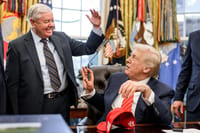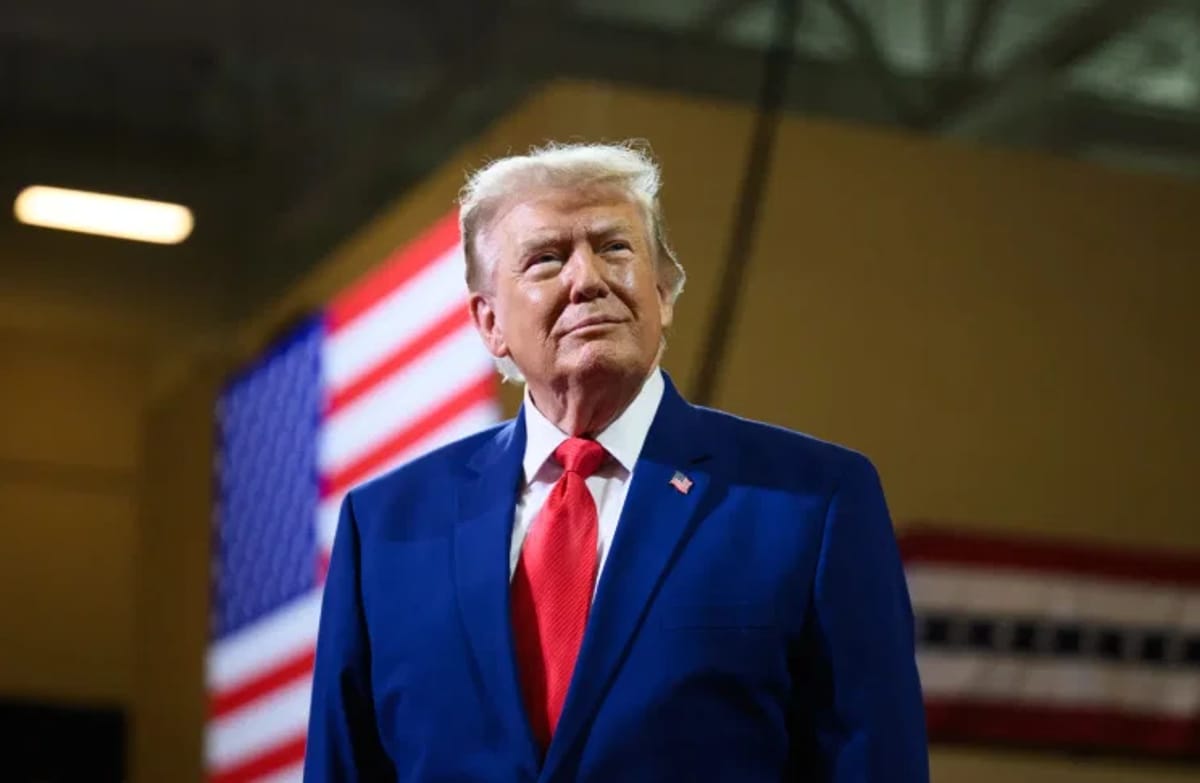
Tensions across the Middle East escalated significantly as the United States prepared potential military responses following a series of coordinated strikes against American positions in the region. Speaking from the Oval Office, President Donald Trump confirmed that military responses were imminent after Iranian forces launched ballistic missiles targeting American positions in Jordan and carried out drone strikes against maritime assets in Egypt.
Addressing reporters at the White House, Trump emphasized that American air defense systems successfully neutralized incoming ballistic threats launched toward the Jordan base. "We had five missiles flying at 8,500 miles per hour, and all five were shot down to the ground by our forces," Trump stated during the briefing. "They tried anyway, so now it is our turn. We are going to hit them very hard, because now it is our turn to hit them."
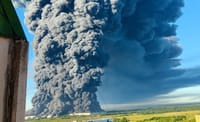
The escalation spans multiple operational theaters, including a drone strike against an American owned liquefied natural gas tanker undergoing loading operations at the Damietta port in Egypt. British maritime security firm Ambrey confirmed the tanker was American owned and sustained damage from a drone strike, an event that expands the geographical scope of military engagements across North Africa.
In response to initial attacks, joint forces conducted targeted air operations against Iranian backed militia units operating within Iraq. According to reports provided by local authorities, joint operations between American and Saudi forces resulted in 20 casualties among militia forces, an action executed in direct coordination with official authorities in Baghdad.
Diplomatic mediators expressed severe frustration over the sudden breakdown of negotiation efforts, noting that senior US officials felt caught off guard by Tehran's sudden aggression. US Special Envoy Steve Witkoff communicated to regional intermediaries that hardline factions within the Iranian establishment were actively trying to derail fragile diplomatic discussions and provoke broader regional escalation.
Intermediaries also noted that foreign diplomatic figures appeared unaware of the planned missile launches against Jordan prior to their execution. According to officials from mediating nations, Iranian Foreign Minister Abbas Araghchi was surprised by the sudden missile launches, indicating that strategic command decisions remain firmly under the control of the Islamic Revolutionary Guard Corps leadership rather than diplomatic representatives.
Public reaction within Jordan has reflected growing concerns regarding regional spillover, prompting public petitions signed by civic leaders requesting the withdrawal of foreign troops. Meanwhile, defense analysts monitoring regional developments reported to REUTERS that command coordination between regional defense partners remains critical to intercepting additional ballistic threats.