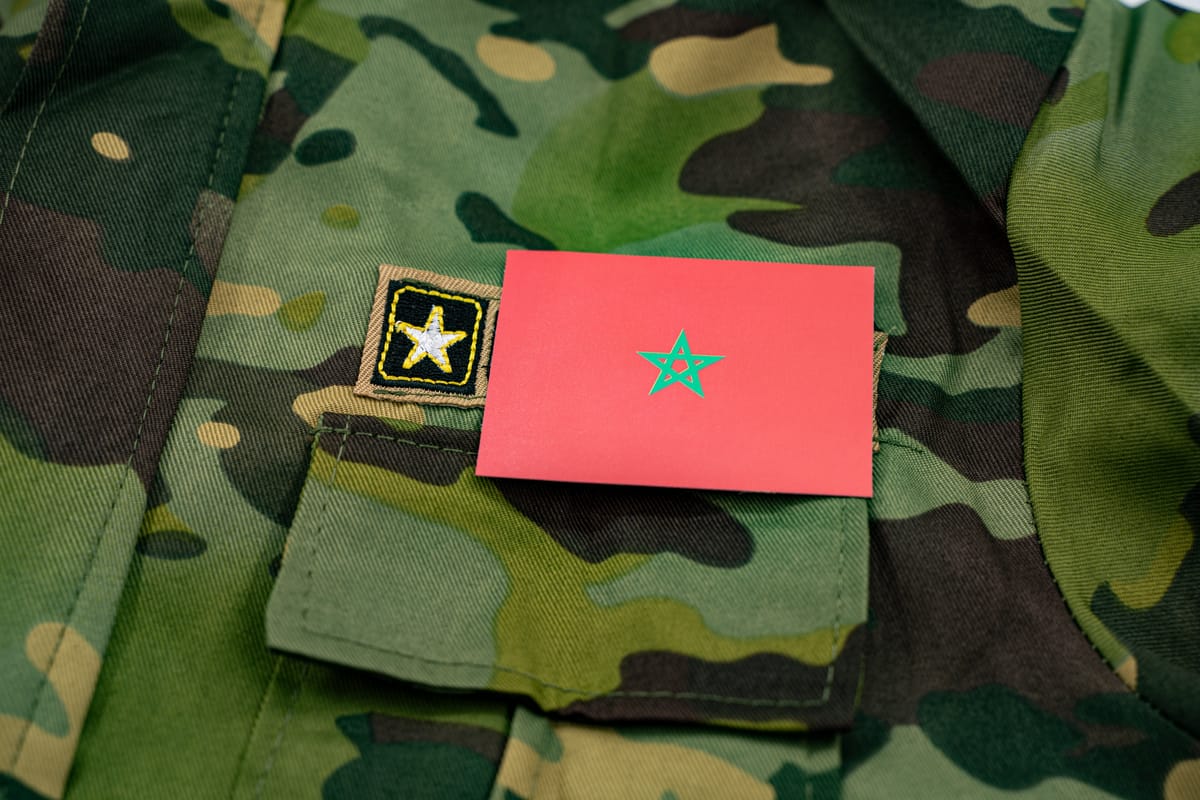
Morocco is set to take on the training of soldiers for the International Stabilization Force, the multinational body expected to operate in Gaza under the Trump administration's postwar plan, with representatives from the ISF's headquarters in Kiryat Gat currently in Rabat this week to lay out a foundational training program.
The move builds on a role Morocco has steadily expanded since committing troops to the ISF earlier this year. Rabat was among the first five countries, alongside Indonesia, Kazakhstan, Kosovo, and Albania, to formally pledge forces to the initiative, and it signed a full participation agreement this month covering the deployment of senior armed forces officers to the ISF's joint command, personnel from the Royal Gendarmerie and national security services, and a military field hospital for Gaza's civilian population. Moroccan planning officers had already arrived at the Kiryat Gat headquarters, the US-run coordination center in southern Israel that has anchored the ISF's joint command structure, in a first operational step that Israeli and regional outlets described as one of the more concrete signs of the long-delayed force actually taking shape.
Why Morocco
Morocco's willingness to move ahead has stood out against a broader backdrop of stalled commitments. Several of the other early pledges, including from Kazakhstan and Albania, have been slower to materialize on the ground, and the Kiryat Gat headquarters itself was largely emptied out earlier this year during the conflict with Iran. Morocco's contingent has become the clearest working example of the ISF concept functioning in practice, and Rabat has framed its involvement as an extension of both its long record in UN peacekeeping and its own domestic counterterrorism and deradicalization programming, which Foreign Minister Nasser Bourita has said will inform Morocco's police training role in Gaza.
Morocco's position is also shaped by its normalization ties with Israel under the Abraham Accords, which has allowed a level of coordination between the Israeli and Moroccan militaries that is not available to every ISF contributor. That relationship, along with Morocco's existing training infrastructure for foreign officers, appears central to why Kiryat Gat's planners are now in Rabat rather than the reverse.
What Comes Next
The ISF's stated long-term goal is a force of roughly 20,000 troops and 12,000 trained police officers, with an initial deployment focused on Gaza's Rafah sector before expanding sector by sector. A functioning training pipeline out of Morocco would mark a concrete step toward that target after months in which the force existed mostly on paper. It also gives Washington a working template, one that lawmakers overseeing the defense authorization process have already pointed to as a model for deepening security cooperation with Rabat more broadly.