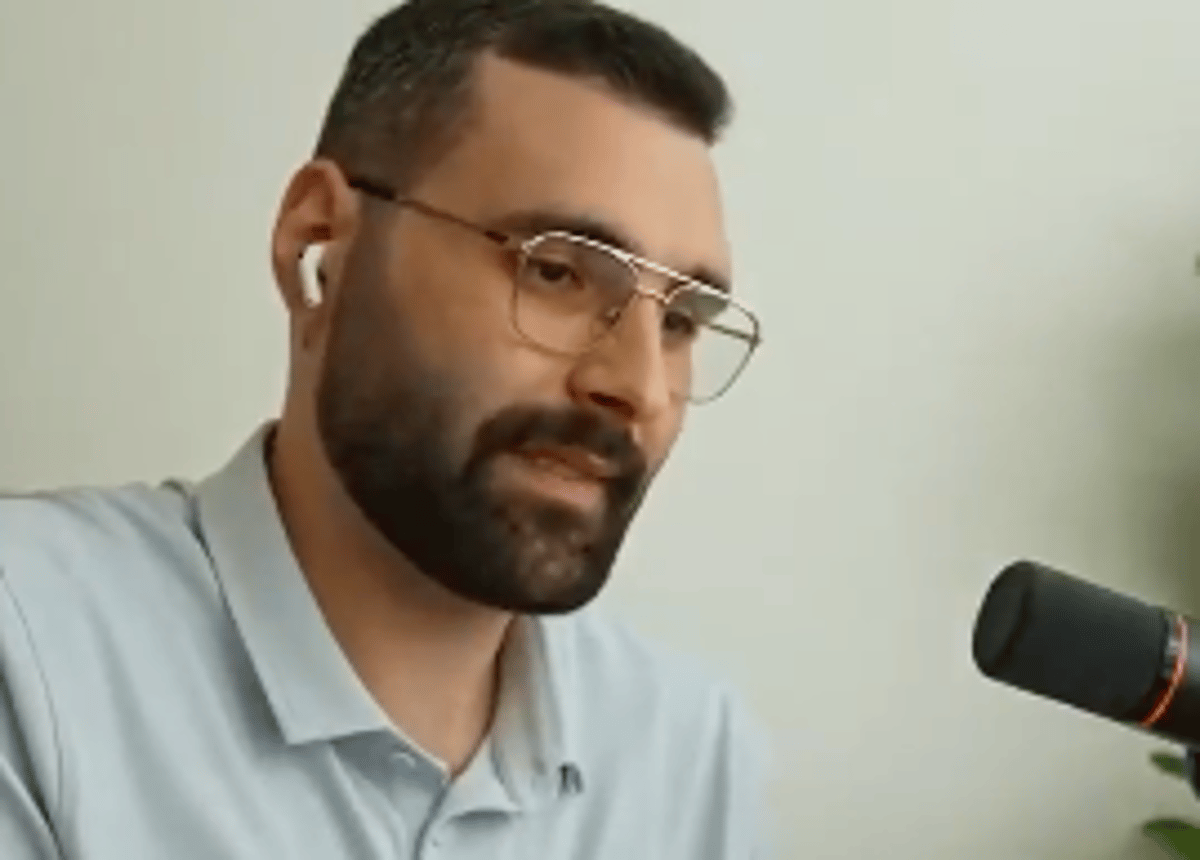
Palestinian photojournalist Motaz Azaiza, whose images from Gaza reached millions during the war, said in an Arabic-language podcast interview that he felt goosebumps while watching footage of the October 7 attack as it unfolded, and described an environment in which journalists in Gaza avoided reporting criticism of Hamas.
The remarks were made on the Taqarob Podcast with host Ahmad al-Biqawi in an episode published September 3, and clips circulated widely this week.
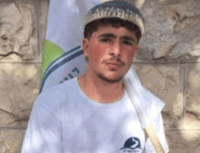
Azaiza said he had supported Hamas as a child, wore headbands sold outside his school for a shekel, and grew up surrounded by the movement, armed resistance, rockets and weapons, which he described as ordinary for a child in Hamas-ruled Gaza.
Describing October 7, he said he woke as the attack began, went up to the roof, listened to a speech by Hamas military chief Mohammed Deif and watched footage from the assault. He said he would not hide that it gave him goosebumps. He also described seeing a Hamas vehicle carrying Israeli hostages as a crowd struck them, and said he filmed the scene but did not take part.
On coverage inside Gaza, Azaiza said the images that left the territory were controlled. He said that when Palestinians blamed Hamas, journalists lowered their cameras, and that during live broadcasts people moved quickly to cover it up. He said he had not focused on filming anger at Hamas and its government, and that reporting that did not align with the movement could get a person disappeared. He said journalists in Gaza worked with Hamas, and cited cases of Hamas killing critics.