Get our mobile app
Download on the App StoreGet it on Google Play

The secret Emirates meeting

Bibi urged UAE: deny Oct. 7 warning — AP

Prime minister made secret six-hour trip to Abu Dhabi, pressed Sheikh Mohammed bin Zayed to issue formal denial of reports he warned Israel ahead of Hamas attack, AP reports; UAE foreign ministry stays silent

Netanyahu Flew to UAE Sunday, Urged Sheikh to Deny Oct. 7 Warning 

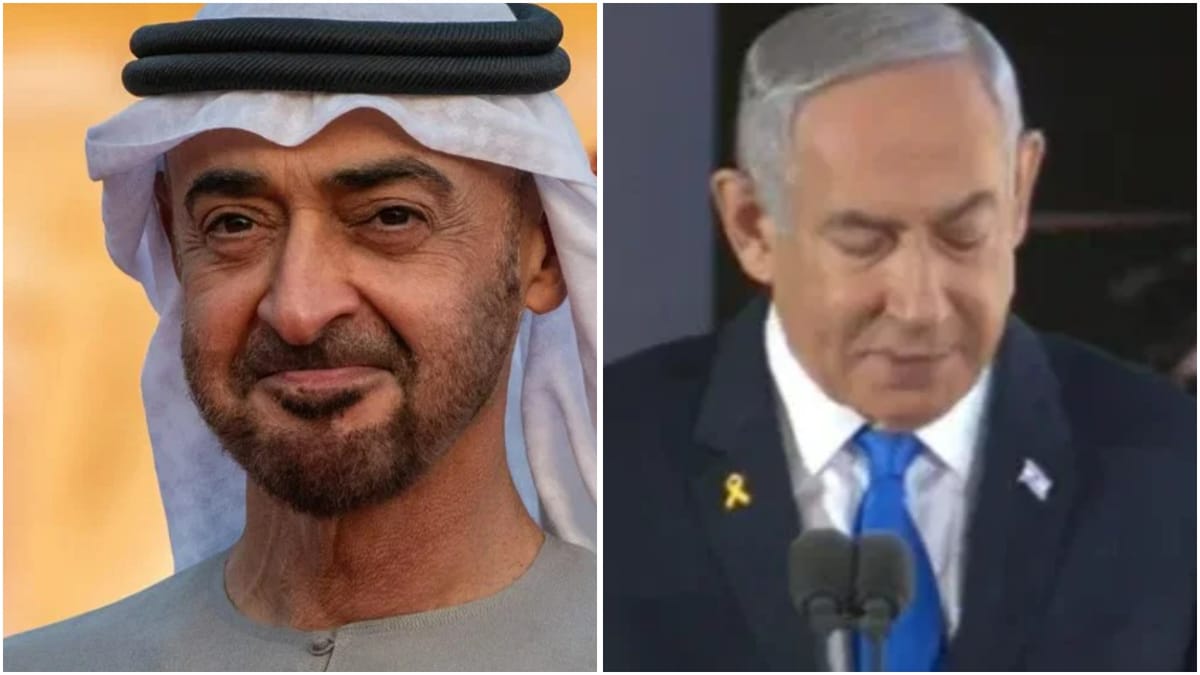
The Associated Press reported Monday afternoon that Prime Minister Benjamin Netanyahu made a secret trip to the United Arab Emirates on Sunday for a six-hour meeting with the country's president, Sheikh Mohammed bin Zayed.

According to the report, citing a source described as having "firsthand knowledge" of the meeting's content, Netanyahu pressed bin Zayed to issue a formal denial of reports claiming the Emirati leader had warned him before October 7 of a possible Hamas attack.

The secret visit, which lasted approximately six hours, was also confirmed by Channel 12 News. According to the report, Netanyahu took off in a private jet Sunday morning for Abu Dhabi and spent the day in the Emirates. The Prime Minister's Office is refusing to provide details about the meeting or the content of the discussions between the two leaders.
Netanyahu
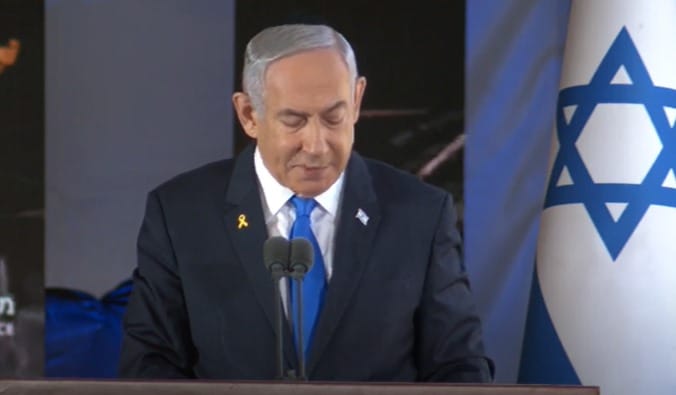
Netanyahu (Photo: Defense Ministry, screenshot)

Unlike the previous occasion when claims of advance warning surfaced, this time the UAE Foreign Ministry refused to address the meeting's content directly and issued no denial. Instead, it released a vague statement saying Abu Dhabi maintains "open and direct lines of communication" with Israel and shares with it "all relevant intelligence." The Emirates' official news agency ignored the visit entirely.

The AP report comes against the backdrop of a wave of investigations and publications over the weekend in a series of leading American media outlets, casting fresh light on the period before the massacre. The New York Times revealed details of a conversation bin Zayed held with Netanyahu, in which, according to the Emirati president's account to the CIA director, he warned that Hamas was planning a large-scale attack.

Despite this, according to the report, Netanyahu made no mention of the warning in a sensitive security discussion held on October 1. Moreover, in that same discussion the prime minister expressed opposition to a proposal initiated by the security establishment to strike senior Hamas figures in Gaza as a preemptive measure.

Meanwhile, the Wall Street Journal reported overnight, based on official sources in an Arab government, that Egyptian intelligence chief Abbas Kamel personally called Netanyahu in early October, out of "deep concern" and ahead of an attack about to be launched from the Gaza Strip. This came after two earlier Egyptian warnings, conveyed through the usual channels, received no adequate response on the Israeli side.

An extensive investigation in The Atlantic magazine revealed that just 11 days before the war broke out, the Egyptian intelligence chief landed for a secret lightning visit at Ben Gurion Airport. According to the investigation, he stayed in Israel for only 67 minutes, during which he "warned that Hamas was preparing for a major attack," and urged Israeli officials to immediately implement a series of economic relief measures for Gaza in an attempt to prevent the approaching escalation.

Netanyahu's office did not respond to questions from the Wall Street Journal regarding Kamel's call. In the past, the office has denied that any conversations took place between the Israeli leader and Kamel in the months before October 7. The foreign ministries of Egypt and the United Arab Emirates did not respond to inquiries.

Arch-murderer Sinwar
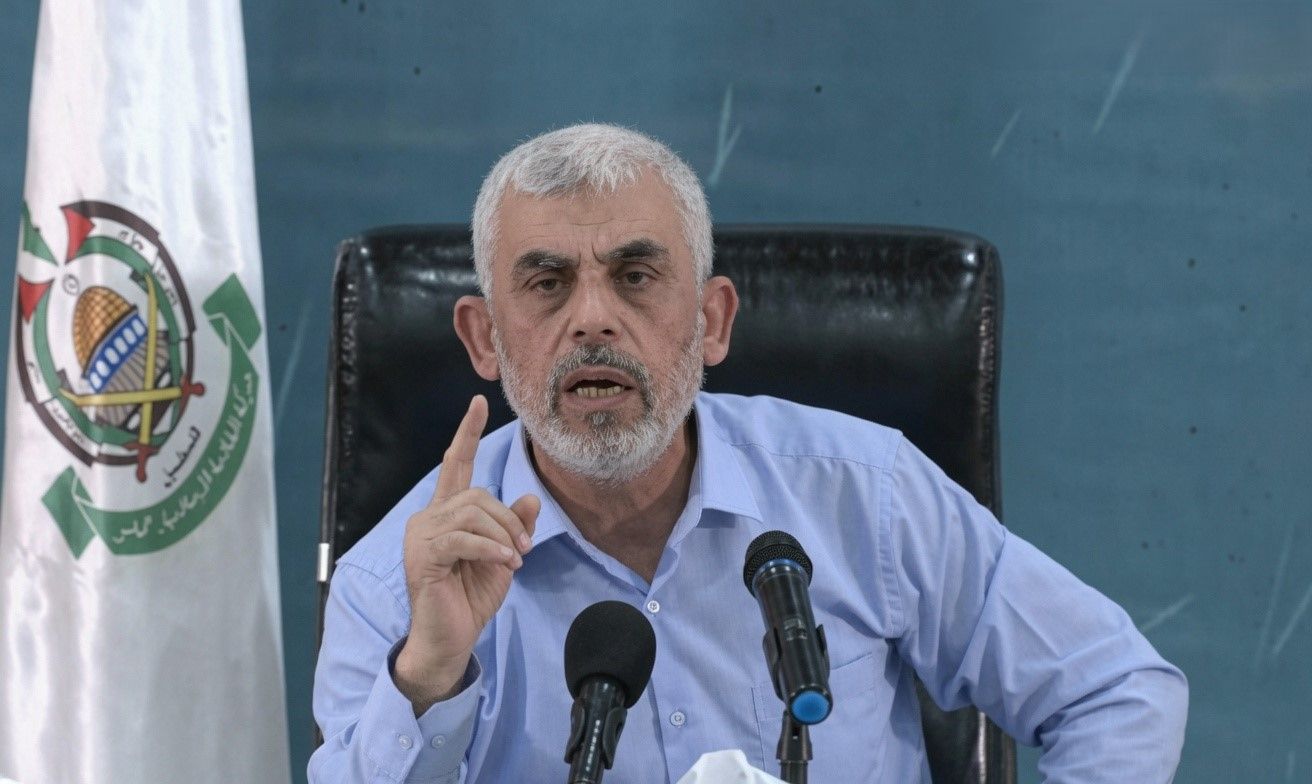
Arch-murderer Sinwar (Photo: screenshot)

An official source in the United Arab Emirates responded in the past to an inquiry from the Emirati newspaper The National, saying that "the United Arab Emirates discusses security matters with other countries through the relevant bodies, and does not discuss details of this kind at the level of heads of state." Abu Dhabi's clarification came in an attempt to distance itself from the political firestorm in Israel, while conveying a clear message: if conversations on sensitive security matters took place, they were conducted through the routine intelligence and security channels, not in direct conversations at the heads-of-state level.

The Arab sources noted that the warnings did not include specific details regarding the timing or scope of the possible attack. Netanyahu continues to vigorously deny any claim that he received advance warning of the attack in which approximately 1,200 people were killed and 251 were abducted to Gaza.

Ready for more?

Join our newsletter to receive updates on new articles and exclusive content.

We respect your privacy and will never share your information.

Enjoyed this article?

Yes
No
Follow Us:

Unmissable content


Loading comments...

Also of Interest